

By Bruce Atkins | Published September 10, 2024 | Posted in wage and hour issues | Tagged Tags: Fair Labor, independent contractors, overtime pay | Comments Off on Spotting Employer Violations of Wage and Hour Laws

Spotting Employer Violations of Wage and Hour Laws
Wage and hour laws are designed to ensure that employees receive fair compensation for the work they perform, including overtime pay when applicable. Unfortunately, some employers attempt to circumvent these laws by misclassifying employees or exploiting loopholes. If you believe your New Jersey employer is violating federal or state wage and hour laws, you need Read More
Read More
What Restrictive Covenants Are Valid in New Jersey Employment?
In 2024, the Federal Trade Commission (FTC) instituted a sweeping ban on non-compete agreements, drastically altering many employment contracts nationwide. However, even in the wake of this significant regulatory change, employers in New Jersey still have access to other types of restrictive covenants that, when properly drafted, remain enforceable. These include non-disclosure agreements (NDAs), non-solicitation Read More
Read More
What to Do if You’re Being Terminated and Offered Severance
If your employment in New Jersey has been terminated, you may be faced with the decision about whether to accept a severance package. New Jersey law does not mandate that employers provide severance pay unless stipulated by a collective bargaining agreement or employment contract. However, many companies voluntarily offer severance packages to terminated employees. Understanding Read More
Read More
How New Jersey Whistleblowers Can Gain CEPA Benefits
The New Jersey Conscientious Employee Protection Act (CEPA) is a powerful law designed to promote transparency and integrity within New Jersey’s workforce. Its primary purpose is to encourage employees to report illegal or unethical activities without fear of retaliation from their employers. CEPA is the state’s “whistleblower law.” It covers employees who disclose or threaten Read More
Read More
Red Flags to Watch for in Negotiating Employment Contracts
When an employer asks you to sign a contract as a condition of giving you the job, it’s essential to proceed with caution. This document will govern your employment relationship and outline your rights and responsibilities, so understanding every clause is critical. Begin by scrutinizing the compensation and benefits section to ensure it aligns with Read More
Read More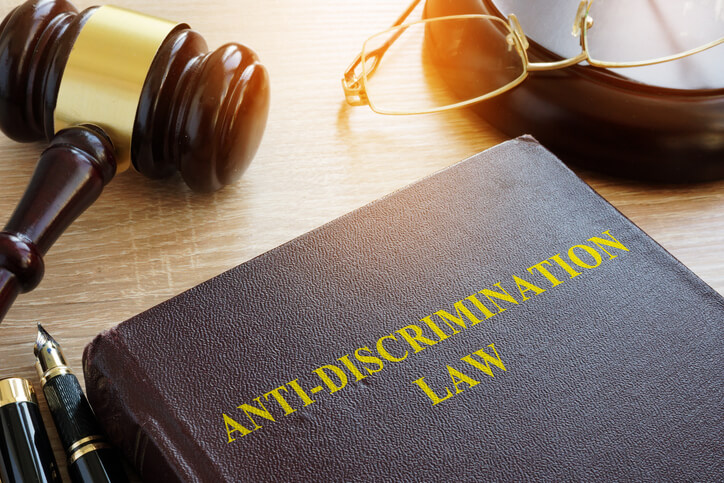
New Jersey Senate Advances Law to Prohibit Job Discrimination Based on Weight and Height
The New Jersey Senate has taken a significant step towards expanding protections against workplace discrimination by passing a bill that bans discrimination based on height and weight. The measure would amend the state Law Against Discrimination (LAD) to include these physical attributes as a basis for the law’s protection. The bill, S1602, approved by the Read More
Read More
New Jersey Bill Would Require Employers to Adopt Heat Stress Prevention Plans
New Jersey lawmakers are advancing a measure to protect workers from the dangers of heat stress, a growing concern as climate change pushes temperatures to unprecedented levels. The bill, introduced in January 2024, seeks to establish standards that would mandate employers to safeguard their employees from the harmful effects of excessive heat. This legislative initiative Read More
Read More
NJ Bill Would Make It Easier to Prove Hostile Workplace Sexual Harassment
A bill pending in the New Jersey Legislature is aimed at lowering the standard for proving hostile workplace sexual harassment under the New Jersey Law Against Discrimination (NJLAD). If passed, Assembly Bill 2443 would codify the definition of hostile workplace sexual harassment as conduct that occurred because of a person’s sex and which a reasonable Read More
Read More
Impact of the FTC’s Ban on Noncompetes Between Employees and Employers
A noncompete agreement is a contractual obligation between an employer and an employee that typically prohibits the employee from working for a competing business or starting a competing business for a specified period after the employment relationship ends. These agreements often include geographic restrictions as well. The intent is to protect the employer’s business interests, Read More
Read More
NJ Supreme Court Voids Non-Disparagement Provision in Employment Bias Case
In a significant decision for New Jersey workers, the New Jersey Supreme Court ruled in that non-disparagement clauses cannot be used to silence victims of discrimination, harassment, or retaliation in employment or settlement agreements. Non-disparagement clauses, often included in employment contracts and settlement agreements, are designed to prevent individuals from making negative statements about their Read More
Read More- July 2026 (1)
- June 2026 (1)
- April 2026 (2)
- March 2026 (2)
- February 2026 (2)
- January 2026 (2)
- December 2025 (2)
- November 2025 (2)
- October 2025 (2)
- September 2025 (2)
- August 2025 (2)
- July 2025 (2)
- June 2025 (2)
- April 2025 (2)
- March 2025 (2)
- February 2025 (2)
- January 2025 (2)
- December 2024 (3)
- November 2024 (2)
- October 2024 (2)
- September 2024 (2)
- August 2024 (2)
- July 2024 (3)
- June 2024 (2)
- May 2024 (2)
- March 2024 (2)
- February 2024 (2)
- January 2024 (2)
- December 2023 (2)
- November 2023 (2)
- October 2023 (2)
- September 2023 (2)
- August 2023 (2)
- July 2023 (2)
- June 2023 (2)
- May 2023 (2)
- April 2023 (2)
- March 2023 (2)
- February 2023 (2)
- January 2023 (2)
- December 2022 (2)
- November 2022 (2)
- October 2022 (2)
- September 2022 (2)
- August 2022 (2)
- July 2022 (2)
- June 2022 (2)
- May 2022 (2)
- April 2022 (2)
- May 2020 (1)
- April 2020 (2)
- June 2017 (1)
- January 2014 (7)
- December 2013 (9)
- November 2013 (8)
- October 2013 (6)
- September 2013 (7)
- August 2013 (5)
- July 2013 (13)
- June 2013 (6)
- May 2013 (7)
- April 2013 (3)
- February 2013 (5)
- January 2013 (8)
- December 2012 (7)
- October 2012 (6)
- September 2012 (8)
- August 2012 (9)
- July 2012 (9)
- June 2012 (5)
- May 2012 (2)
- Age Discrimination (5)
- Arbitration and Mediation (3)
- Contracts (1)
- COVID-19 (3)
- Disability Discrimination (1)
- Discrimination (67)
- Employment Law (113)
- Family and Medical Leave Act (3)
- fraud and misrepresentation (1)
- Gender Discrimination (5)
- Harassment (15)
- Hostile Work Environment (6)
- Labor Law (14)
- Partnership Disputes (1)
- Pregnancy Discrimination (4)
- Racial Discrimination (5)
- restrictive covenants (1)
- Retaliation and Whistleblowing (11)
- Severance Packages (1)
- sex/age discrimination (2)
- Shareholder Disputes (2)
- Uncategorized (2)
- wage and hour issues (3)
- Whistleblower Protection (1)
- Wrongful Termination (6)