
By Bruce Atkins | Published April 28, 2026 | Posted in Employment Law | Tagged Tags: compensation, disclosure, discriminatory, transparency | Comments Off on Using Salary Disclosure Trends to Spot Wage Discrimination

Using Salary Disclosure Trends to Spot Wage Discrimination
Across the nation, pay transparency is rapidly growing. In recent years, states like New York, California, Colorado and Washington have enacted laws requiring employers to include salary ranges in job postings. Even though New Jersey hasn’t yet passed its own mandatory disclosure law, many employers operating in the Garden State now post salary ranges voluntarily. Read More
Read More
How New Jersey Workers Can Recognize and Prove Illegal Retaliation
Retaliation remains a challenge faced by New Jersey employees who speak up against wrongdoing. New Jersey law provides some of the nation’s strongest protections for workers, specifically prohibiting employers from punishing employees who report discrimination, harassment, safety concerns or other illegal conduct, even when uncertainty remains about the underlying allegations. Yet, employees need to be Read More
Read More
When Pregnancy Discrimination Hides in Plain Sight
New Jersey has one of the most robust state statutes providing strong safeguards for pregnant and postpartum workers. Yet, pregnancy discrimination rarely announces itself with blatant statements or overt acts. Instead, employers often veil discriminatory motives behind neutral-sounding explanations: reasons that may seem legitimate on the surface but crumble on closer inspection. The New Jersey Read More
Read More
New Jersey’s 2026 Expansion of Family Leave Rights
A new that takes effect July 17, 2026 significantly expands the New Jersey Family Leave Act (NJFLA) and introduces substantial new job protections for workers receiving Temporary Disability Insurance (TDI) and Family Leave Insurance (FLI) benefits. These revisions will extend job-protected leave rights to hundreds of thousands of additional workers across the state, marking one Read More
Read More
Five Common Mistakes to Avoid in Filing an Employment Complaint
Employees in New Jersey facing discrimination, harassment, wage and hour violations or retaliation can file complaints with state or federal authorities. However, simply filing a complaint is not enough. There are common errors and omissions that can undermine your ability to get the relief you may be entitled to. Knowing how to avoid these mistakes Read More
Read More
How to Request Reasonable Accommodations Without Fear
Employees with disabilities in New Jersey are entitled to request reasonable accommodations to enable them to do their jobs and contribute fully. Nevertheless, many workers hesitate to come forward with requests. Concerns about being treated differently, losing their job or facing negative reactions from colleagues and supervisors may keep them from seeking the support they Read More
Read More
New Rules Clarify the New Jersey Pay Transparency Law
On June 1, 2025, New Jersey’s landmark Pay Transparency Law (PTL) took effect, setting new rules for postings and compensation disclosures. The law, part of broader efforts to address wage inequality and promote fairness in the workplace, imposes significant new obligations on employers with at least five employees. The New Jersey Department of Labor and Read More
Read More
How Must Employers Ensure Tipped Workers Get Minimum Wage?
The Fair Labor Standards Act (FLSA) and New Jersey law safeguard tipped employees so that they receive at least minimum wage, even when their base wage is set below the standard rate via a “tip credit.” New Jersey’s minimum wage is $15.49 per hour as of 2025. However, for tipped employees, such as table servers Read More
Read More
NJ CEPA and Equal Wage Claims Held Preempted by Federal Law
In a significant recent decision, a federal district court ruled that an employee’s claims under New Jersey’s whistleblower and wage discrimination statutes were preempted by the National Labor Relations Act (NLRA). The court, in Davis v. Benihana, Inc., determined that the plaintiff’s claims of retaliation and underpayment — ordinarily protected under New Jersey’s Conscientious Employee Read More
Read More
Proposed NJ DOL Rules Would Refine the ABC Test for Contractors
The New Jersey Department of Labor and Workforce Development (NJDOL) plans to adopt rules that would codify and clarify the state’s “ABC test” for determining independent contractor versus employee status. These proposals, published in the New Jersey Register on May 5, 2025 and now past the public-comment stage, would have substantial impact on employment statutes, Read More
Read More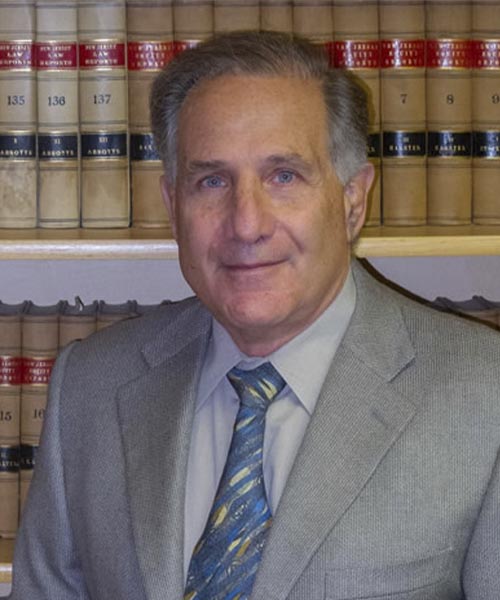
Neil H. Deutsch has been practicing law for over 35 years and is known as a skilled negotiator in employment and discrimination law. He believes in a bottom-line approach of risk analysis and cost effectiveness for his clients. "Case evaluation is something we take seriously," says Mr. Deutsch who seeks top net dollar for his…
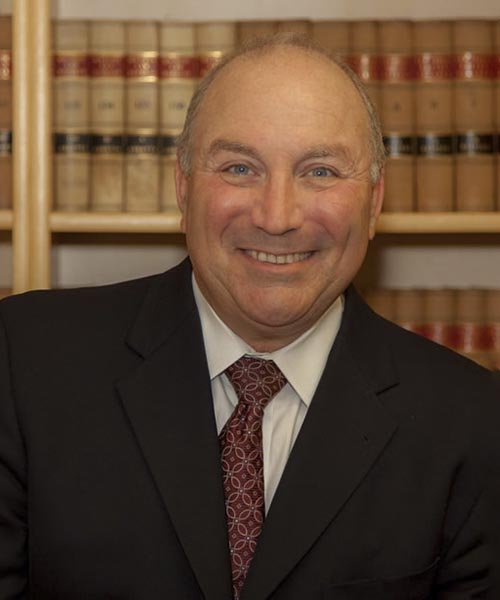
Bruce L. Atkins is the Senior Managing Partner at Deutsch Atkins P.C., a prominent plaintiff employment law firm in the tri-state area. Mr. Atkins believes employees’ rights should be aggressively pursued when they’ve been wrongfully dealt with by their employers. He brings this philosophy to his practice when considering each case and its potential outcomes.…

Michael K. Fortunato is a Partner at Deutsch Atkins, P.C. His practice focuses on employment litigation and counseling for employees and executives, including matters involving discrimination, retaliation, harassment, wrongful termination, whistleblower claims, severance negotiations, employment agreements, and restrictive covenants. Michael represents clients in litigation and administrative proceedings involving state and federal employment laws including the…
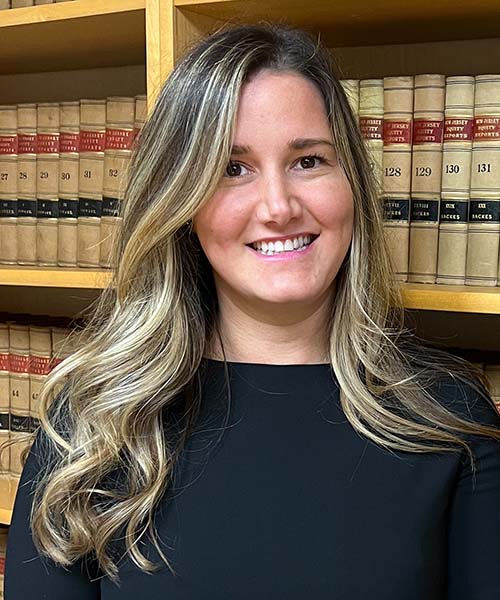
Carly Skarbnik Meredith, Esq. is a Partner at the firm. Carly has focused her career exclusively in the field of employment law. She has a plethora of experience representing both employees and employers with their employment issues, needs, and concerns. She believes representing both employees and employers has made her an extremely well-rounded client advocate.…

R.J. Prifitera joined Deutsch Atkins, P.C. in October of 2023. R.J. represents employees in wrongful termination, harassment, discrimination, and whistleblowing matters. Prior to joining the firm, R.J. received a B.A. from the University of Delaware in 2018. Thereafter, he attended and graduated Seton Hall University School of Law in 2022 where he received the Monsignor…