

By Bruce Atkins | Published March 25, 2025 | Posted in Discrimination | Tagged Tags: EEOC, employment discrimination, four-fifths rule | Comments Off on How the Four-Fifths Rule Guides Courts in Disparate Impact Cases

How the Four-Fifths Rule Guides Courts in Disparate Impact Cases
The “four-fifths rule” is a statistical guideline used to help determine whether an employment practice may be discriminatory against a protected group. It provides that if the selection rate (for hiring, promotions, etc.) for any racial, ethnic, or gender group is less than 80 percent (four-fifths) of the rate for the group with the highest Read More
Read More
How Use of Artificial Intelligence in Hiring Can Be Discriminatory
Artificial intelligence (AI) is rapidly expanding as a job-applicant vetting process across the country. AI-powered apps can analyze resumes, assess video interviews and even predict a candidate’s likelihood of success in a given role. Employers are using AI-driven systems to evaluate applicants’ speech patterns, facial expressions and word choices in videos. AI also can curate Read More
Read More
Is Weight Discrimination at Work Against New Jersey Law?
In New Jersey, the question of whether it is illegal for employers to discriminate based on an employee’s or job applicant’s weight is still up in the air. Under current law, weight is not explicitly a protected category under the state’s Law Against Discrimination (LAD). That may soon change, as the New Jersey Senate passed Read More
Read MoreEmployment Rights for Those Who Received Deferred Action
Since Congress has been unwilling to take up comprehensive immigration reform, the Obama administration instituted a deferred action program that grants temporary legal status to foreign-born individuals who entered the U.S. illegally as children and have remained here as contributing members of society. The deferred action order also allows those who qualify to obtain employment Read More
Read MoreUnemployment Discrimination?
Since the start of the Great Recession in late 2007, many people who lost their jobs have been struggling to reenter the workforce. Making things more difficult, employers have shown a growing prejudice against unemployed job seekers. Some have gone so far as to flatly state that the unemployed need not apply. New Jersey legislators Read More
Read MoreWeighing State and Federal Options in Job Discrimination Cases
Most people are aware that they have rights if they suffer discrimination at work or are victimized by a hostile work environment. However, many people do not understand the nuances of those rights. Federal and state laws work hand-in-hand to protect victims of discrimination. In most cases, workers can choose which process to use or Read More
Read MoreThe Role of the Administrative Process in Employment Litigation
Many people come to us eager for their day in court against an employer who treated them unjustly or refused to address on-the-job harassment. They are surprised, however, when we tell them that they first must file an administrative complaint with the Equal Employment Opportunity Commission (EEOC). The federal laws that prohibit employment discrimination make Read More
Read MoreJob Terminations in New Jersey Are Sometimes Unlawful
Employment in New Jersey is “at will,” which means that employees work at the will of the employer, and the employer can fire an employee at any time for any reason — or for no reason. This is a pro-business policy that has been in place since the 19th century in most states. There are Read More
Read MoreWhat Does Employment-at-Will Actually Mean?
Most states follow the common law doctrine of employment-at-will. This rule essentially states that, absent a contract to the contrary, an employee serves at the pleasure of his or her employer and can be terminated for any or no reason. Fortunately, while still in effect in most U.S. states, the doctrine of employment-at-will has been Read More
Read MoreNew Jersey’s Law Against Discrimination (LAD)
In the context of employment discrimination law, the federal statutes on the subject — the Civil Rights Act, the Americans with Disabilities Act, the Age Discrimination in Employment Act, etc. — tend to get the most attention while the parallel state laws fall by the wayside. Employees in New Jersey, however, enjoy the protection of Read More
Read More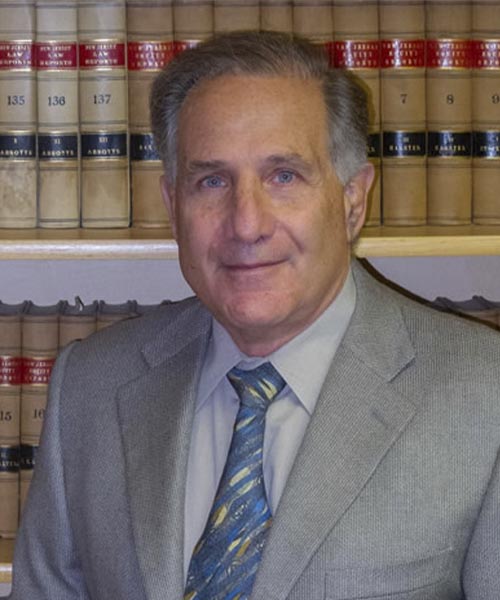
Neil H. Deutsch has been practicing law for over 35 years and is known as a skilled negotiator in employment and discrimination law. He believes in a bottom-line approach of risk analysis and cost effectiveness for his clients. "Case evaluation is something we take seriously," says Mr. Deutsch who seeks top net dollar for his…
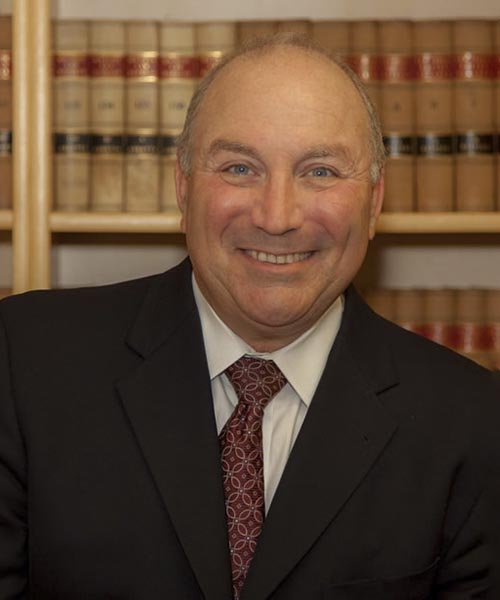
Bruce L. Atkins is the Senior Managing Partner at Deutsch Atkins & Kleinfeldt P.C., a prominent plaintiff employment law firm in the tri-state area. Mr. Atkins believes employees’ rights should be aggressively pursued when they’ve been wrongfully dealt with by their employers. He brings this philosophy to his practice when considering each case and its…

Adam J. Kleinfeldt joined Deutsch Atkins & Kleinfeldt, P.C. in March of 2015. He primarily represents individuals in employment litigation such as discrimination, retaliation and whistle blowing matters. He has extensive experience in all phases of the litigation process. Adam has obtained significant results for his clients, including a $525,000 jury verdict in a sexual…

Debra M. McGarvey joined Deutsch Atkins & Kleinfeldt, P.C. in December 2019. She has extensive experience defending employees and employers in state and federal court in employment litigation matters. She has represented clients on various issues arising out of the New Jersey Law Against Discrimination (NJLAD), the New Jersey Conscientious Employee Protection Act (CEPA), the…
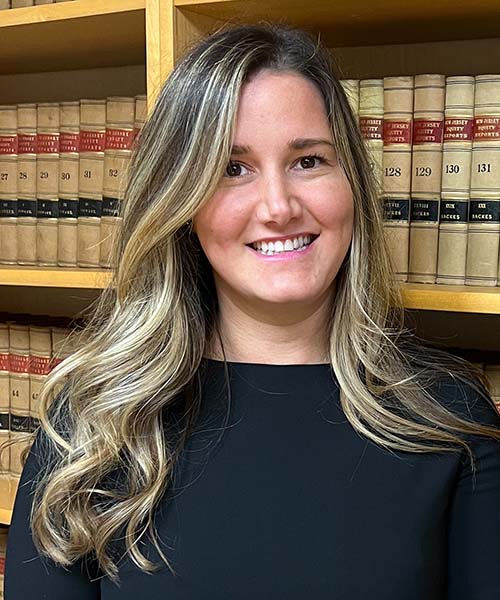
Carly Skarbnik Meredith, Esq. is a Partner at the firm. Carly has focused her career exclusively in the field of employment law. She has a plethora of experience representing both employees and employers with their employment issues, needs, and concerns. She believes representing both employees and employers has made her an extremely well-rounded client advocate.…