

New Jersey’s Wage Payment Law Applies to Sales Commissions
The New Jersey Wage Payment Law (WPL) requires that employees receive timely and full payment of their wages. Enacted to safeguard workers from unfair labor practices, the WPL enforces strict rules concerning the payment of various forms of compensation earned through sales or other performance-related activities. A state Supreme Court decision in a case argued by Bruce L. Atkins, the senior attorney at Deutsch Atkins, P.C., makes it clear that commissions fall within the law’s protection.
How the NJ Wage Payment Law works
The WPL defines wages as direct monetary compensation for labor or services rendered by an employee. Employers are required to pay employees their wages on regular paydays. It they fail to do so, the employee can recover unpaid wages and other monetary damages. The law covers any form of direct monetary compensation for labor or services rendered by an employee, whether determined on a time, task, piece or commission basis. However, it does not cover supplementary incentives or bonuses that are calculated independently of regular wages.
Supreme Court rules that commissions are wages
On March 17, 2025, the New Jersey Supreme Court delivered a landmark decision in Musker v. Suuchi, Inc. that commissions unequivocally are wages under the WPL. The case concerned an employee who earned a base salary plus commissions under a sales commission plan. Rosalyn Musker principally sold software to apparel manufacturers. However, in response to the COVID-19 pandemic in early 2020, the company began selling personal protective equipment (PPE). Musker generated more than $34 million in revenue through PPE sales, but she was not paid any portion of the $1.3 million in commissions she claimed were due. When Musker sued, the trial judge dismissed her WPL claim, finding the PPE commissions were not wages as defined by the WPL. The judge found that since Musker received a salary, the commissions were designed to motivate her to go above and beyond her regular sales performance and, as such, were supplementary incentives calculated independently of her regular wage.
The Supreme Court disagreed, saying the determinative factor was that the commissions were tied to Musker’s performance of her job services. A supplementary incentive, by contrast, is a reward for doing something beyond labor or services, such as sharing office space with another employee, working out of a particular office location, achieving perfect attendance or referring a candidate to apply for an open position. The fact that Musker received a base salary was irrelevant, the court said. The thrust of the ruling is that commissions based on sales can never be classified as supplementary incentives.
Remedies available for WPL violations
Employees working under a sales commission plan or agreement who are denied the commissions they are due have remedies available under the WPL. One avenue of recourse is filing a complaint with the New Jersey Department of Labor and Workforce Development, which can investigate and take legal action if a WPL violation is found. An employee can also file a lawsuit against their employer to recover unpaid commissions as well as interest and liquidated damages, calculated as 200 percent of the amount illegally withheld. That means a total recovery of three times the commissions due. In addition, the decision makers in the company can be held personally liable for damages and costs. The employee also can recover their attorneys’ fees in connection with the employment litigation.
The employment law attorneys at Deutsch Atkins, P.C. in Hackensack have wide experience in helping New Jersey workers get the wages and benefits they deserve under state and federal labor laws. To schedule a confidential consultation, call 551-245-8894 or contact us online.
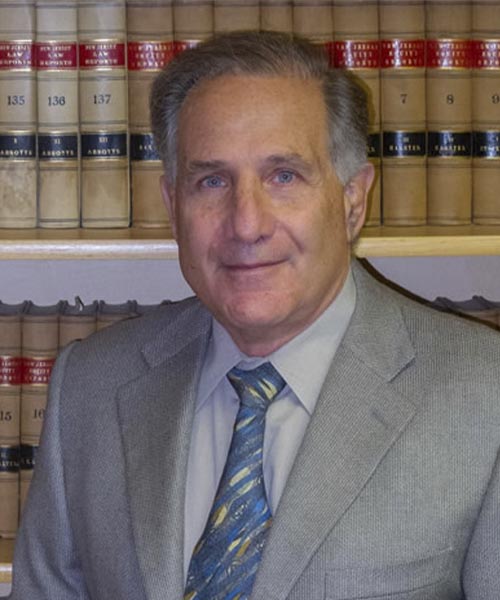
Neil H. Deutsch has been practicing law for over 35 years and is known as a skilled negotiator in employment and discrimination law. He believes in a bottom-line approach of risk analysis and cost effectiveness for his clients. "Case evaluation is something we take seriously," says Mr. Deutsch who seeks top net dollar for his…
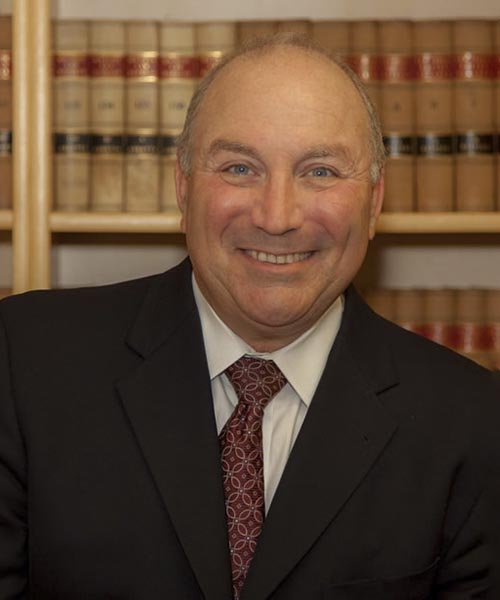
Bruce L. Atkins is the Senior Managing Partner at Deutsch Atkins P.C., a prominent plaintiff employment law firm in the tri-state area. Mr. Atkins believes employees’ rights should be aggressively pursued when they’ve been wrongfully dealt with by their employers. He brings this philosophy to his practice when considering each case and its potential outcomes.…
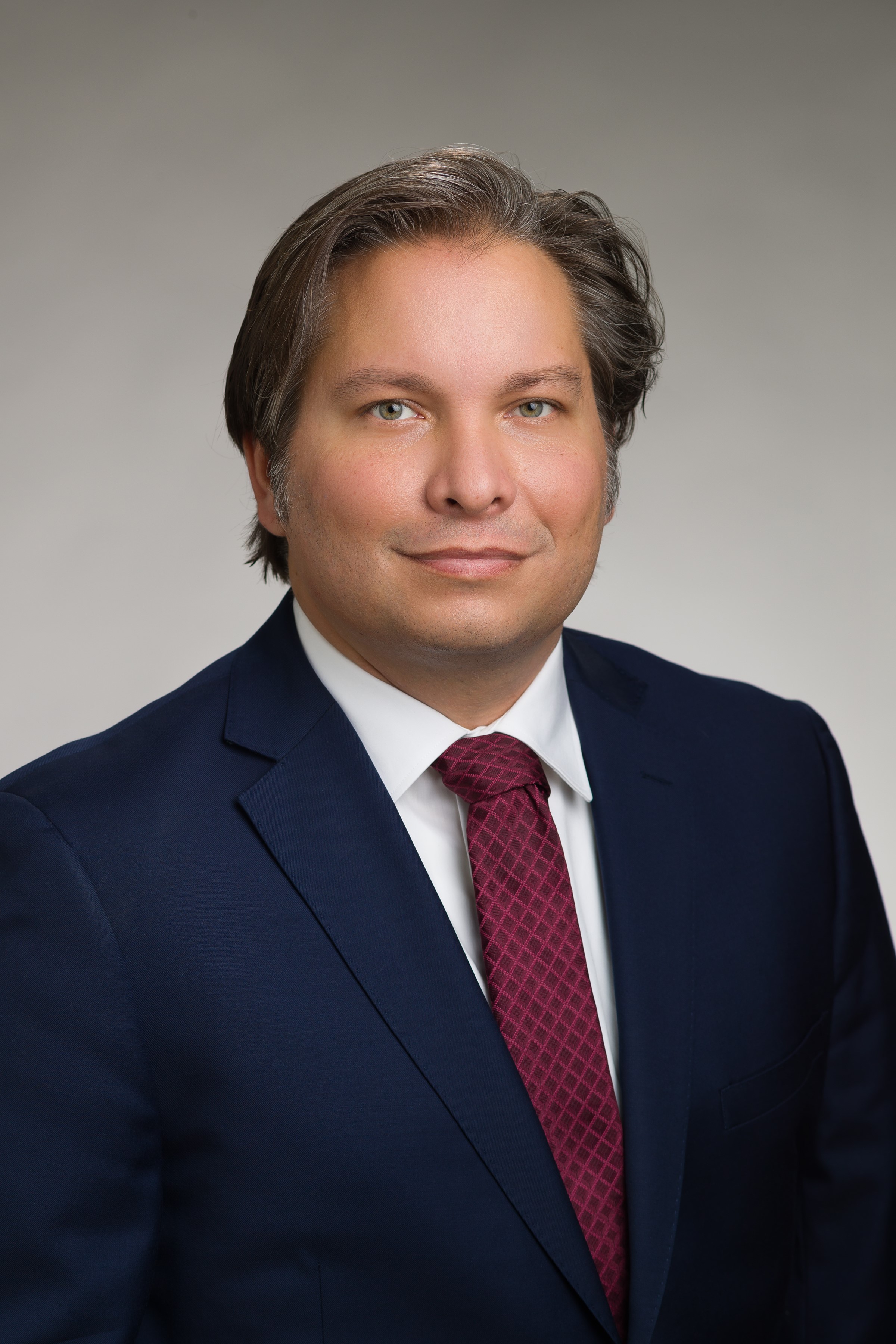
Michael K. Fortunato is a Partner at Deutsch Atkins, P.C. His practice focuses on employment litigation and counseling for employees and executives, including matters involving discrimination, retaliation, harassment, wrongful termination, whistleblower claims, severance negotiations, employment agreements, and restrictive covenants. Michael represents clients in litigation and administrative proceedings involving state and federal employment laws including the…
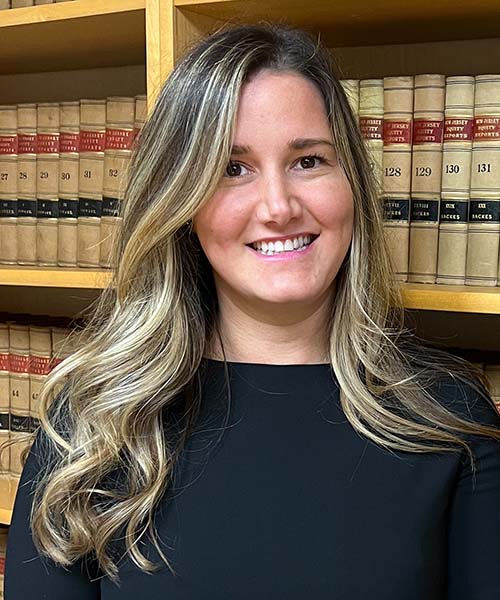
Carly Skarbnik Meredith, Esq. is a Partner at the firm. Carly has focused her career exclusively in the field of employment law. She has a plethora of experience representing both employees and employers with their employment issues, needs, and concerns. She believes representing both employees and employers has made her an extremely well-rounded client advocate.…
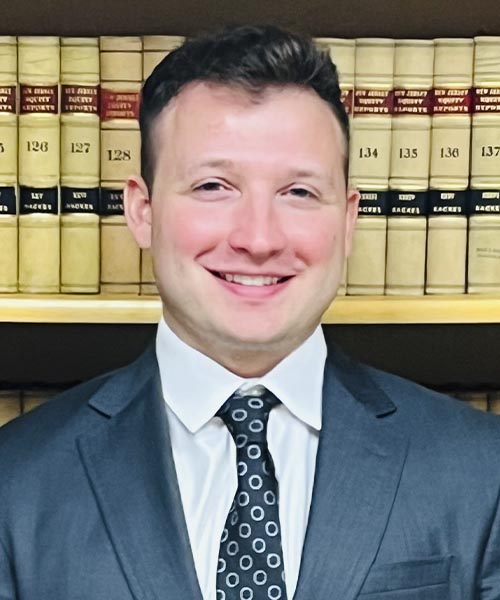
R.J. Prifitera joined Deutsch Atkins, P.C. in October of 2023. R.J. represents employees in wrongful termination, harassment, discrimination, and whistleblowing matters. Prior to joining the firm, R.J. received a B.A. from the University of Delaware in 2018. Thereafter, he attended and graduated Seton Hall University School of Law in 2022 where he received the Monsignor…