
Legal Issues for Remote Work Arrangements
NJ employment lawyers help protect off-site workers from discrimination
Although telecommuting has become the norm for many employees, it still presents challenges for applying the laws governing workplaces. The lawyers at Deutsch Atkins, P.C. in Hackensack can help you understand the legal issues for remote work arrangements in New Jersey. Our team has extensive experience fighting for the rights of employees in a wide variety of circumstances and helping them win compensation for legal violations.
Employee rights in remote work under federal and NJ Law
The state and federal employment laws that protect onsite employees also cover remote workers. The federal Fair Labor Standards Act (FLSA) guarantees minimum wage and overtime pay for most employees. In New Jersey, additional protections are afforded under the state Wage and Hour Law and the Earned Sick Leave Law, which apply to most remote workers regardless of location. Employers are required to track time accurately for hourly employees, even those that are working offsite. Remote employees are entitled to meal and rest breaks as per state regulations, and employers cannot require work during unpaid break periods.
Discrimination against remote workers
Discrimination laws apply equally to remote and in-office workers. Title VII of the Civil Rights Act, the Americans with Disabilities Act (ADA) and the New Jersey Law Against Discrimination (NJLAD) prohibit workplace discrimination based on race, gender, age, disability and other protected categories. Age bias is a common complaint among older workers whose employers might withhold opportunities that require the use of current technology. Disabled workers are entitled to reasonable accommodations in their home office, just as if they were working onsite. Even an employee who is working from home might suffer a violation of federal and NJ discrimination law.
Employment contracts for remote workers
Remote employees should carefully review company policies to understand expectations about work hours, deliverables and other performance metrics. If you have an employment contract, it may include remote work policies, stipulations for return-to-office mandates or geographic restrictions. If your employment contract is silent on remote work, but your employer has allowed it informally and consistently over time, a demand that you return to the office might constitute a breach an implied covenant of good faith and fair dealing. However, bear in mind that employers generally retain the right to change remote work policies as long as they give proper notice, unless otherwise limited by contract.
If you are working from home because you sustained a disability after signing your contract, an employment law attorney can help you negotiate an amendment to your agreement so as to allow continued remote work.
Technology use and data security
Remote work raises significant legal questions about data privacy and technology use. Because liability can attach when security measures are inadequate, a worker should insist that the company take responsibility for equipment setup and maintenance.
Employers can require monitoring software and/or mandate the use of secure VPNs. Under New Jersey law, employers must provide notice of any monitoring activities and must implement reasonable data security measures to protect personal and confidential information.
Remote employees should refrain from using personal devices for work, which can create complications around data ownership and privacy. There should be clear policies outlining acceptable use, device security and employer rights to access work-related information.
Working remotely outside of New Jersey
If a New Jersey-based employee begins working from another state, the employer might need to comply with tax withholding, labor laws, and workers’ compensation requirements in that state. Employees should notify their employer of any change in work location to ensure compliance and avoid legal complications. Before relocating, consult your HR department to understand the implications for your benefits and compensation and legal protections.
Contact an accomplished Hackensack employee rights attorney to make an appointment
Deutsch Atkins, P.C. in Hackensack represents New Jersey workers, including those working remotely, in a full range of employment law matters. Please call 551-245-8894 or contact us online to schedule a consultation.
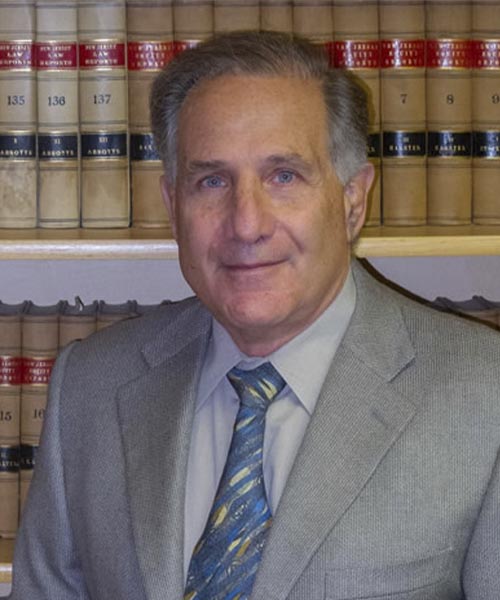
Neil H. Deutsch has been practicing law for over 35 years and is known as a skilled negotiator in employment and discrimination law. He believes in a bottom-line approach of risk analysis and cost effectiveness for his clients. "Case evaluation is something we take seriously," says Mr. Deutsch who seeks top net dollar for his…
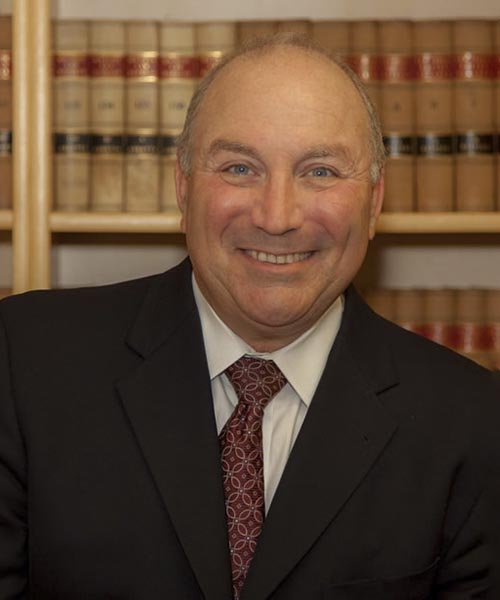
Bruce L. Atkins is the Senior Managing Partner at Deutsch Atkins P.C., a prominent plaintiff employment law firm in the tri-state area. Mr. Atkins believes employees’ rights should be aggressively pursued when they’ve been wrongfully dealt with by their employers. He brings this philosophy to his practice when considering each case and its potential outcomes.…
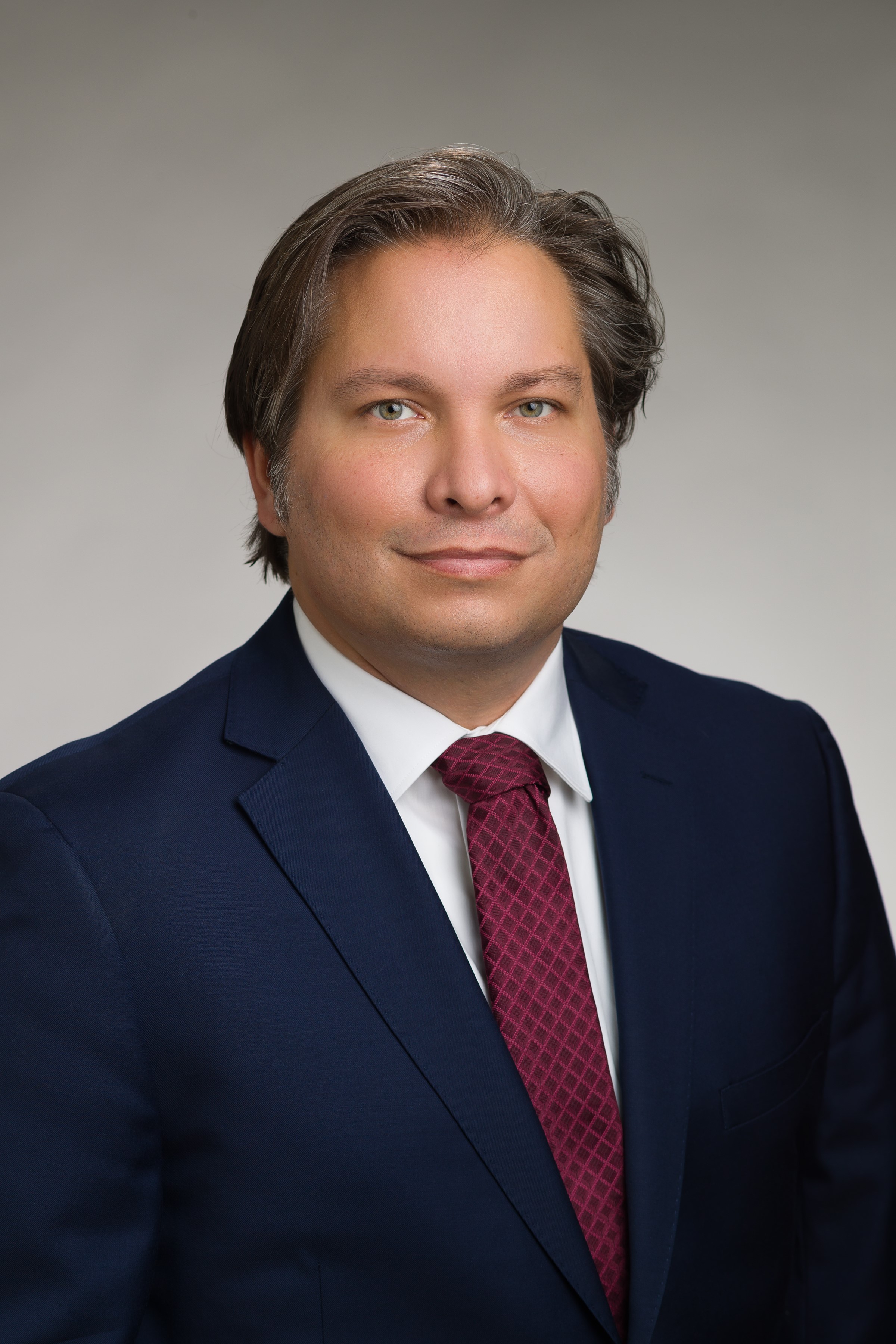
Michael K. Fortunato is a Partner at Deutsch Atkins, P.C. His practice focuses on employment litigation and counseling for employees and executives, including matters involving discrimination, retaliation, harassment, wrongful termination, whistleblower claims, severance negotiations, employment agreements, and restrictive covenants. Michael represents clients in litigation and administrative proceedings involving state and federal employment laws including the…
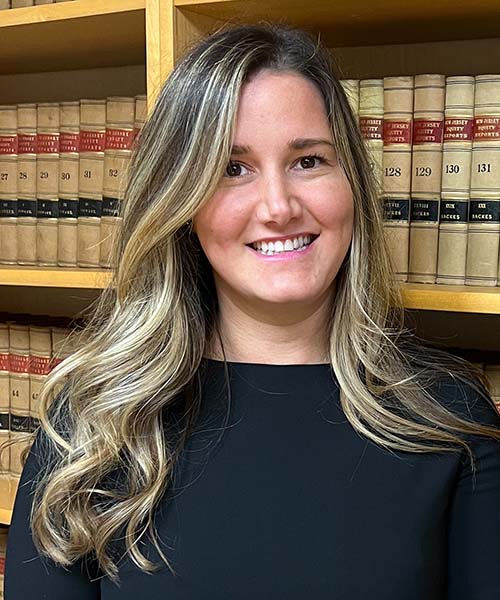
Carly Skarbnik Meredith, Esq. is a Partner at the firm. Carly has focused her career exclusively in the field of employment law. She has a plethora of experience representing both employees and employers with their employment issues, needs, and concerns. She believes representing both employees and employers has made her an extremely well-rounded client advocate.…
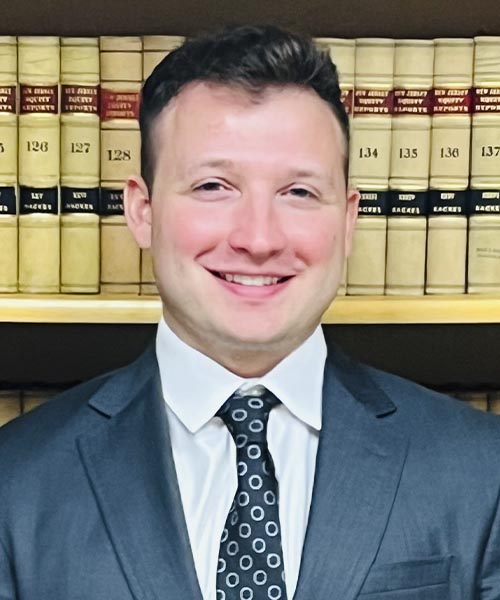
R.J. Prifitera joined Deutsch Atkins, P.C. in October of 2023. R.J. represents employees in wrongful termination, harassment, discrimination, and whistleblowing matters. Prior to joining the firm, R.J. received a B.A. from the University of Delaware in 2018. Thereafter, he attended and graduated Seton Hall University School of Law in 2022 where he received the Monsignor…