
Dealing with a Hostile Work Environment In New Jersey
What to do if you are sexually harassed or subjected to a discriminatory treatment
Having to endure a hostile work environment can be deeply distressing and may significantly affect your health and career. If you are dealing with a hostile work environment, such as one that involves sexual harassment, making sure you thoroughly understand your rights is essential to obtaining legal relief. For decades, Deutsch Atkins, P.C. has helped NJ workers who are victims of unlawful discrimination win compensation for the harm they’ve suffered.
What constitutes sexual harassment?
Sexual harassment is a form of unlawful discrimination under both federal and New Jersey law. It includes unwelcome sexual advances, requests for sexual favors, and other verbal or physical conduct of a sexual nature when submission to such conduct is made a condition of employment (known as quid pro quo). However, sexual harassment can also consist of behavior that creates a work environment that a reasonable person would consider intimidating, hostile or abusive. Examples are lewd comments, inappropriate touching, sharing explicit content or repeated and unwanted flirtation. Even nonsexual conduct can be considered harassment if gender-based and severe or pervasive enough to interfere with your ability to work.
Actions to take when a workplace becomes hostile
If you’re experiencing a hostile workplace, it’s important to document everything. Keep detailed records of incidents, including dates, locations, what was said or done and any available witnesses. Save emails, messages and other relevant documents.
You should also review your employer’s policies on harassment and discrimination. Most workplaces have guidelines on how to report inappropriate conduct. Following internal procedures can strengthen your legal case and might help resolve the matter without litigation.
Reporting harassment or discrimination
Businesses are required to have effective mechanisms for reporting violations of laws Report the harassment to your supervisor, your human resources representative or the person designated in your employee handbook for such purposes. Put your complaint in writing and keep a copy. Employers are obligated to investigate and address your complaint promptly. If your employer retaliates against you, that constitutes grounds for further legal action.
Filing a charge with the EEOC or New Jersey Division on Civil Rights
If internal efforts do not resolve the issue, you can file a complaint with the Equal Employment Opportunity Commission (EEOC) or the New Jersey Division on Civil Rights (DCR). Both agencies investigate claims of workplace discrimination and harassment. Workers generally must file EEOC complaints within 300 days of the last incident. DCR complaints have a one-year filing deadline under the New Jersey Law Against Discrimination (NJLAD). Once a complaint is filed with one of those agencies, your employer may have an incentive to settle the case. If not, it may be possible to pursue litigation.
How a New Jersey employment lawyer can help
An employment litigation lawyer can thoroughly analyze your case and determine whether you have a viable claim of discrimination or harassment. Your employer can also:
- Assist with documenting evidence and filing complaints.
- Negotiate with your employer for remedies such as reinstatement and compensation.
- File a claim with the EEOC or DCR.
- File a lawsuit and represent you in court.
- Guide you through each step of the legal process.
Legal representation can be vital for ensuring your rights are upheld and for achieving a fair outcome.
Contact our Hackensack employment attorneys to discuss your hostile work environment
The employment law attorneys at Deutsch Atkins, P.C. champion the rights of New Jersey workers faced with discrimination and harassment through hostile work environments. Please call 551-245-8894 or contact us online to schedule a consultation.
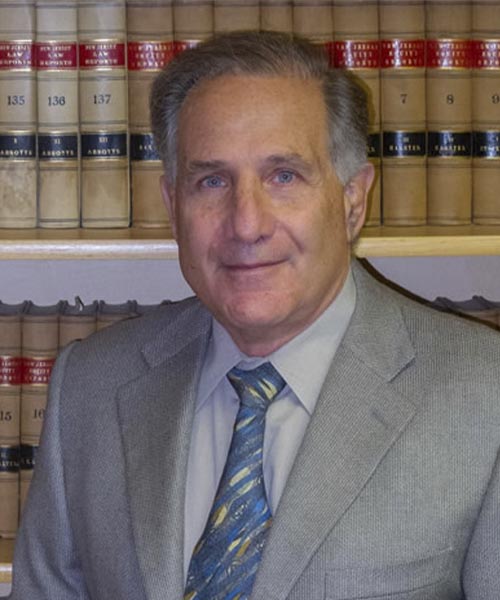
Neil H. Deutsch has been practicing law for over 35 years and is known as a skilled negotiator in employment and discrimination law. He believes in a bottom-line approach of risk analysis and cost effectiveness for his clients. "Case evaluation is something we take seriously," says Mr. Deutsch who seeks top net dollar for his…
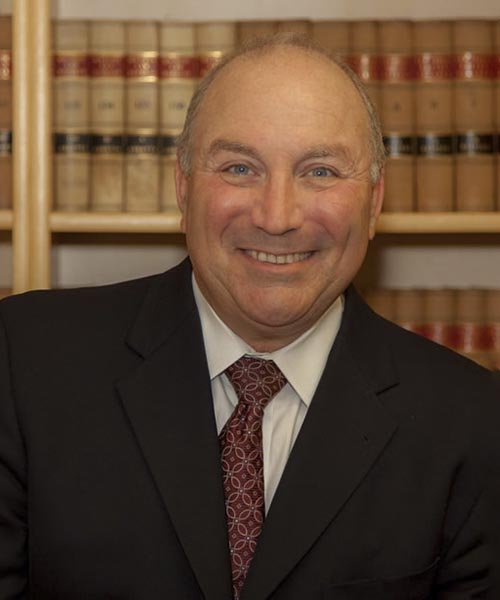
Bruce L. Atkins is the Senior Managing Partner at Deutsch Atkins P.C., a prominent plaintiff employment law firm in the tri-state area. Mr. Atkins believes employees’ rights should be aggressively pursued when they’ve been wrongfully dealt with by their employers. He brings this philosophy to his practice when considering each case and its potential outcomes.…

Michael K. Fortunato is a Partner at Deutsch Atkins, P.C. His practice focuses on employment litigation and counseling for employees and executives, including matters involving discrimination, retaliation, harassment, wrongful termination, whistleblower claims, severance negotiations, employment agreements, and restrictive covenants. Michael represents clients in litigation and administrative proceedings involving state and federal employment laws including the…
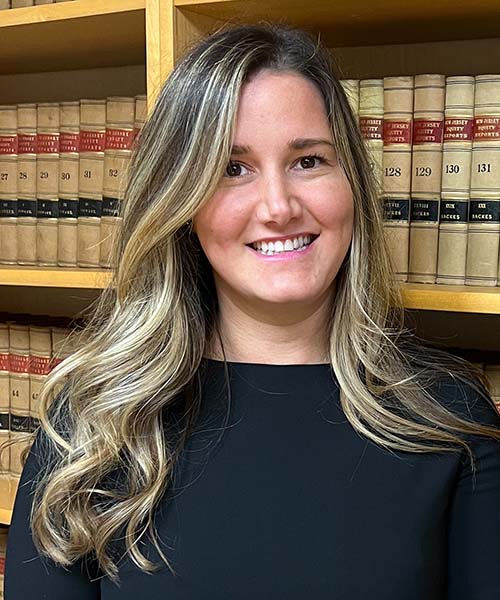
Carly Skarbnik Meredith, Esq. is a Partner at the firm. Carly has focused her career exclusively in the field of employment law. She has a plethora of experience representing both employees and employers with their employment issues, needs, and concerns. She believes representing both employees and employers has made her an extremely well-rounded client advocate.…
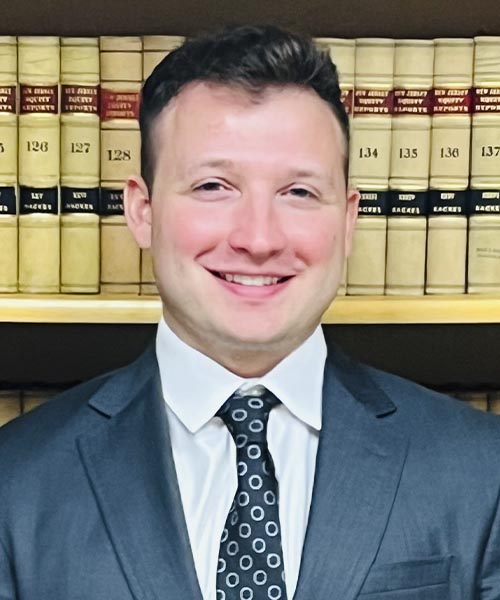
R.J. Prifitera joined Deutsch Atkins, P.C. in October of 2023. R.J. represents employees in wrongful termination, harassment, discrimination, and whistleblowing matters. Prior to joining the firm, R.J. received a B.A. from the University of Delaware in 2018. Thereafter, he attended and graduated Seton Hall University School of Law in 2022 where he received the Monsignor…