

In New Jersey, the question of whether it is illegal for employers to discriminate based on an employee’s or job applicant’s weight is still up in the air. Under current law, weight is not explicitly a protected category under the state’s Law Against Discrimination (LAD). That may soon change, as the New Jersey Senate passed a bill to include weight as a protected category under the LAD. In the meantime, an employee who believes they suffered adverse action based on their weight must look to other remedies.
The push to add weight as a protected category under the LAD reflects a growing recognition of the stigma and unequal treatment faced by individuals with larger body sizes. Advocates argue that explicit protections are necessary to ensure fair treatment and prevent bias. The Senate bill, S1602, approved on February 12, 2024, would make it illegal for employers to refuse employment or to discharge an individual based on their weight or height. An exception would be made where these physical attributes constitute a bona fide occupational qualification or safety consideration.
In the absence of explicit protection under the LAD, workers who face discrimination based on weight must look to other legal theories to challenge such treatment. If a worker’s weight is linked to a recognized health condition, an adverse action by the employer might qualify as disability discrimination under the LAD or the federal Americans with Disabilities Act (ADA). Both of these laws define disability broadly to include physical or mental impairments that substantially limit major life activities. Some courts have recognized that severe obesity caused by an underlying medical condition such as hypothyroidism or diabetes can be a disability. However, proving this requires medical documentation and a clear connection between the individual’s condition and the discriminatory behavior.
New Jersey is not alone in dealing with the issue of weight discrimination. Some other states and localities have moved to explicitly prohibit such practices. Michigan includes weight as a protected category under its Elliott-Larsen Civil Rights Act, making it unlawful for employers to discriminate based on weight. Some cities, including San Francisco and Washington, D.C., have enacted laws that protect individuals from discrimination based on height and weight. This patchwork approach leaves many workers without recourse, highlighting the need for comprehensive legal reforms.
Deutsch Atkins, P.C. in Hackensack is one of New Jersey’s largest plaintiff-side employment law firms, handling cases of discrimination against individuals from all protected classes. We have the experience and resources to challenge even the most powerful defendants. Call us at 551-245-8894 or contact us online to arrange a confidential consultation.
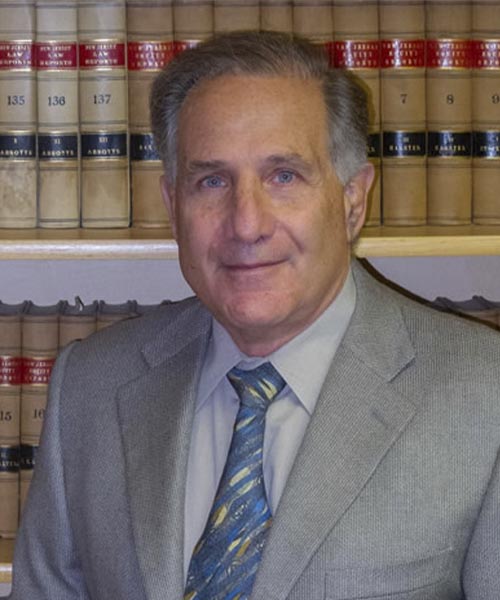
Neil H. Deutsch has been practicing law for over 35 years and is known as a skilled negotiator in employment and discrimination law. He believes in a bottom-line approach of risk analysis and cost effectiveness for his clients. "Case evaluation is something we take seriously," says Mr. Deutsch who seeks top net dollar for his…
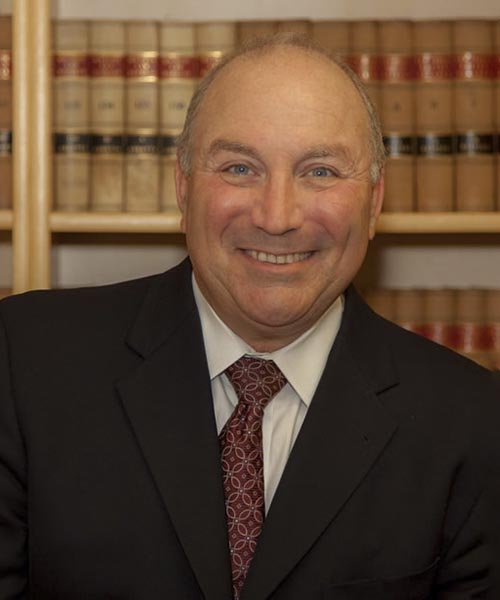
Bruce L. Atkins is the Senior Managing Partner at Deutsch Atkins P.C., a prominent plaintiff employment law firm in the tri-state area. Mr. Atkins believes employees’ rights should be aggressively pursued when they’ve been wrongfully dealt with by their employers. He brings this philosophy to his practice when considering each case and its potential outcomes.…
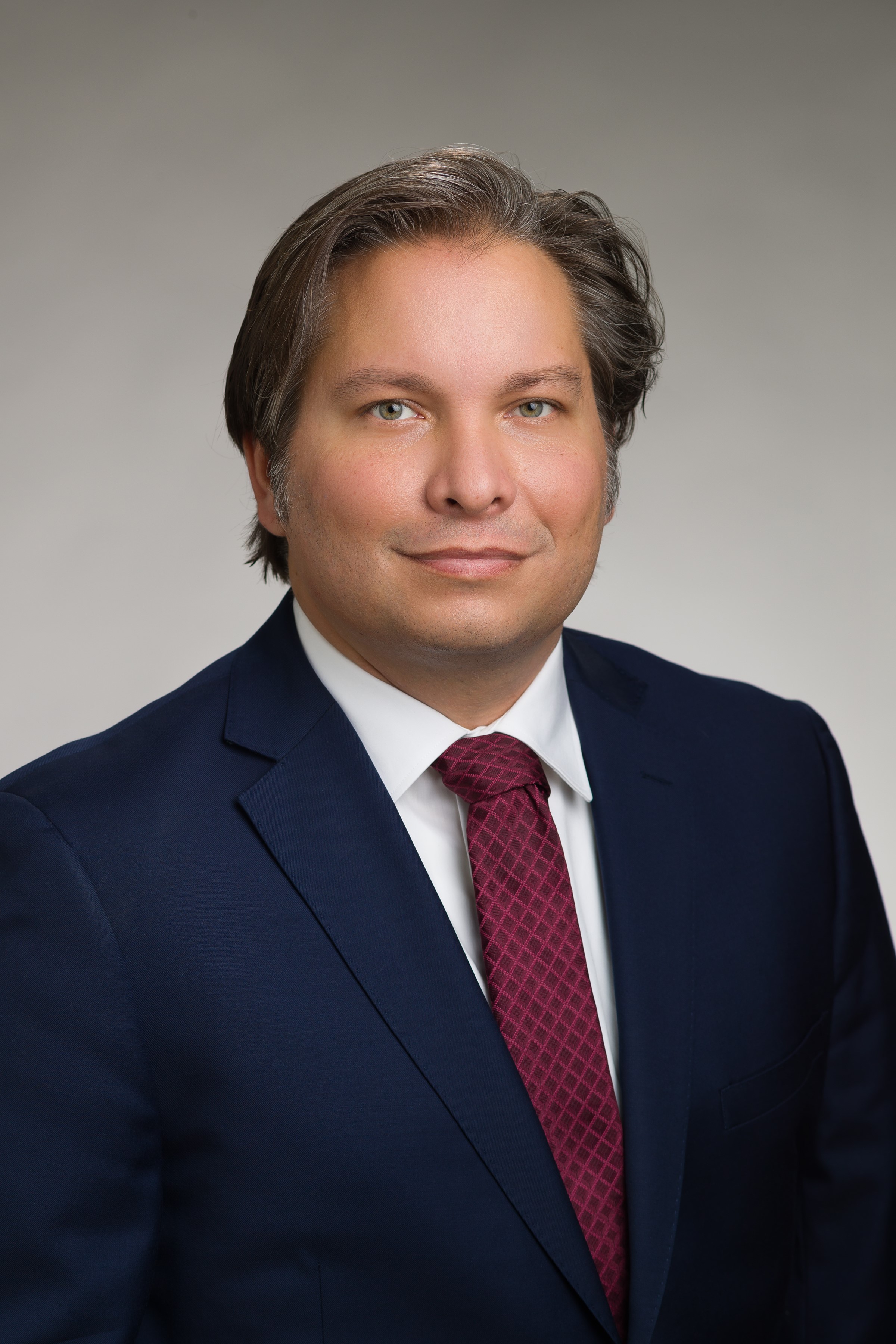
Michael K. Fortunato is a Partner at Deutsch Atkins, P.C. His practice focuses on employment litigation and counseling for employees and executives, including matters involving discrimination, retaliation, harassment, wrongful termination, whistleblower claims, severance negotiations, employment agreements, and restrictive covenants. Michael represents clients in litigation and administrative proceedings involving state and federal employment laws including the…
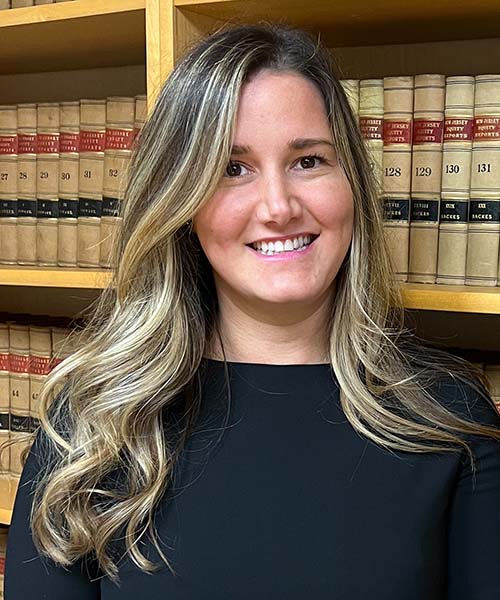
Carly Skarbnik Meredith, Esq. is a Partner at the firm. Carly has focused her career exclusively in the field of employment law. She has a plethora of experience representing both employees and employers with their employment issues, needs, and concerns. She believes representing both employees and employers has made her an extremely well-rounded client advocate.…
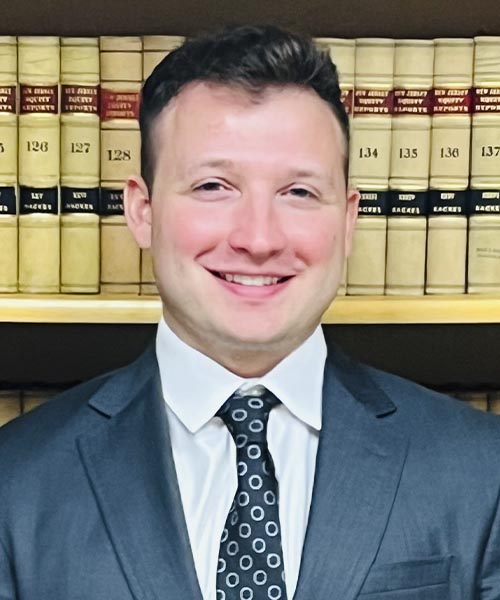
R.J. Prifitera joined Deutsch Atkins, P.C. in October of 2023. R.J. represents employees in wrongful termination, harassment, discrimination, and whistleblowing matters. Prior to joining the firm, R.J. received a B.A. from the University of Delaware in 2018. Thereafter, he attended and graduated Seton Hall University School of Law in 2022 where he received the Monsignor…