
By Neil H. Deutsch | Published January 16, 2014 | Posted in Employment Law | Tagged Tags: child labor | Comments Off on Working as a Minor Child in New Jersey
Working as a Minor Child in New Jersey
The days of widespread child labor in the United States are long past, but some protections remain necessary for those younger than 18 who work in New Jersey. Understanding these requirements is important for teenagers, parents and employers alike. Once a child has received an offer of employment, he or she should obtain a Form Read More
Read MoreNew Jersey Passes Significant Minimum Wage Increase
Recent protests by fast-food workers throughout the nation have led to a renewed discussion of the minimum wage and what constitutes an honest day’s pay for an honest day’s work. While the federal minimum wage remains $7.25 per hour, individual states are free to impose higher minimum wage requirements. New Jersey is among the states Read More
Read MoreEmployment Rights for Those Who Received Deferred Action
Since Congress has been unwilling to take up comprehensive immigration reform, the Obama administration instituted a deferred action program that grants temporary legal status to foreign-born individuals who entered the U.S. illegally as children and have remained here as contributing members of society. The deferred action order also allows those who qualify to obtain employment Read More
Read MoreFree Exercise and Employee Health Care Under the ACA
While the Affordable Care Act (ACA) has been in the news for a number of reasons lately, one story that largely fell by the wayside involved a Pennsylvania cabinet company that took issue with the ACA’s requirement that health plans provide coverage for certain types of oral contraceptives. A federal appellate decision in the case Read More
Read MoreNoncompete Agreements Can Be Challenged in New Jersey
It’s understandable that companies want to keep trade secrets out of the hands of their competitors, which is why many employers require employees to sign noncompete contracts. Employers fear that when an engineer, salesperson, executive or marketer leaves the company to work for a competitor, the new employer will benefit from the new employee’s knowledge Read More
Read MoreDid Your Employer Misrepresent Your Job or Compensation?
Stagnant wages and shifting business models are leading many employees to look for opportunities to improve their working conditions and increase their compensation. They sometimes find, however, that their new employer misrepresented what the job entails or what the compensation package includes. A movement toward truth in hiring is afoot, based in part on lawsuits Read More
Read MoreJob Terminations in New Jersey Are Sometimes Unlawful
Employment in New Jersey is “at will,” which means that employees work at the will of the employer, and the employer can fire an employee at any time for any reason — or for no reason. This is a pro-business policy that has been in place since the 19th century in most states. There are Read More
Read MoreWhen Do Salaried Workers Deserve Overtime Pay in New Jersey?
The National Fair Labor Standards Act of 1938 established the federal rules on overtime pay along with the 40-hour workweek. Under the rules, employees in certain types of positions are entitled to overtime pay of 1.5 times their regular pay rate. The rules generally apply to hourly rather than salaried employees. The rules get a Read More
Read MoreWhen You Are Misclassified as Exempt, You Lose Overtime Pay
In New Jersey, some employees are entitled to overtime pay and others are exempt. Those exempt from overtime include executive, administrative, computer technology and professional employees and outside sales representatives. Nonexempt employees who must be paid time-and-a-half overtime include hourly workers, typically in manufacturing and service positions. There are some exceptions to these rules, particularly Read More
Read MoreNegotiate a Better Severance Package with Proactive Thinking
Severance packages for terminated employees recently have become a topic of debate in the New Jersey Legislature. Two bills are pending that would penalize higher-paid workers who receive severance packages by denying them state unemployment benefits. Neither bill has passed either chamber of the legislature. Regardless of what happens in Trenton, employees (and ex-employees) should Read More
Read More
Neil H. Deutsch has been practicing law for over 35 years and is known as a skilled negotiator in employment and discrimination law. He believes in a bottom-line approach of risk analysis and cost effectiveness for his clients. "Case evaluation is something we take seriously," says Mr. Deutsch who seeks top net dollar for his…
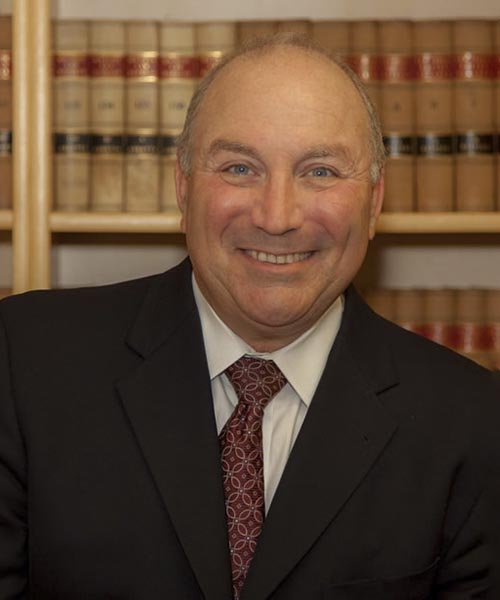
Bruce L. Atkins is the Senior Managing Partner at Deutsch Atkins P.C., a prominent plaintiff employment law firm in the tri-state area. Mr. Atkins believes employees’ rights should be aggressively pursued when they’ve been wrongfully dealt with by their employers. He brings this philosophy to his practice when considering each case and its potential outcomes.…

Michael K. Fortunato is a Partner at Deutsch Atkins, P.C. His practice focuses on employment litigation and counseling for employees and executives, including matters involving discrimination, retaliation, harassment, wrongful termination, whistleblower claims, severance negotiations, employment agreements, and restrictive covenants. Michael represents clients in litigation and administrative proceedings involving state and federal employment laws including the…
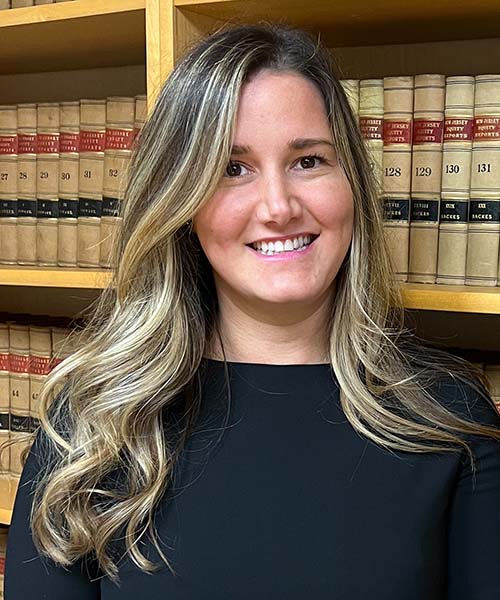
Carly Skarbnik Meredith, Esq. is a Partner at the firm. Carly has focused her career exclusively in the field of employment law. She has a plethora of experience representing both employees and employers with their employment issues, needs, and concerns. She believes representing both employees and employers has made her an extremely well-rounded client advocate.…
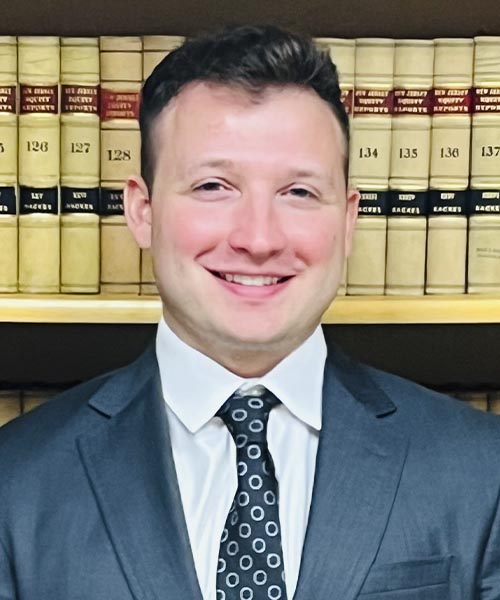
R.J. Prifitera joined Deutsch Atkins, P.C. in October of 2023. R.J. represents employees in wrongful termination, harassment, discrimination, and whistleblowing matters. Prior to joining the firm, R.J. received a B.A. from the University of Delaware in 2018. Thereafter, he attended and graduated Seton Hall University School of Law in 2022 where he received the Monsignor…