
By Bruce Atkins | Published July 30, 2025 | Posted in Disability Discrimination | Tagged Tags: disability, discrimination, impairment | Comments Off on How State and Federal Disability Discrimination Laws Compare

How State and Federal Disability Discrimination Laws Compare
The New Jersey Law Against Discrimination (LAD) and the federal Americans with Disabilities Act (ADA) both aim to provide equal opportunities for individuals with disabilities in the workplace. Despite their shared objectives, these laws differ somewhat in their definitions of disability and in the responsibilities they place on employers. Under the ADA, a disability is Read More
Read More
No Heightened Standard for Majority Title VII Claims, SCOTUS Rules
A recent U.S. Supreme Court decision significantly impacts employees contemplating bringing workplace discrimination cases under federal law. This landmark ruling clarifies that plaintiffs who are members of a “majority group” do not need to meet a heightened evidentiary burden when alleging discrimination under Title VII of the Civil Rights Act of 1964. In Ames v. Read More
Read More
When Can You Sue Your New Jersey Employer for Retaliation?
New Jersey has comprehensive employment laws that protect workers from retaliation when they assert their legal rights or report unlawful conduct. These laws cover a range of workplace activities, explicitly prohibit employer retaliation, and give employees the right to sue if they face adverse actions for engaging in protected activities. Below are key New Jersey Read More
Read More
U.S. DOL Rescinds Rule on Independent Contractor Misclassification
The U.S. Department of Labor (DOL) recently announced a change in its enforcement approach relating to how employers classify workers as independent contractors under the Fair Labor Standards Act (FLSA). This move reverses course from an earlier, more stringent interpretation of contractor classification criteria established under the Biden administration. It has far-reaching consequences for both Read More
Read More
NJ High Court Rules Commissions Are Wages Under State Law
On March 17, 2025, the New Jersey Supreme Court delivered a landmark ruling that significantly affects the legal rights of employees who are paid on commission — a substantial segment of the state’s workforce. The court declared that commissions are “wages” under the New Jersey Wage Payment Law (WPL), which governs how and when employers Read More
Read More
How the Four-Fifths Rule Guides Courts in Disparate Impact Cases
The “four-fifths rule” is a statistical guideline used to help determine whether an employment practice may be discriminatory against a protected group. It provides that if the selection rate (for hiring, promotions, etc.) for any racial, ethnic, or gender group is less than 80 percent (four-fifths) of the rate for the group with the highest Read More
Read More
Differences Between a NJ CEPA Claim and a “Pierce Claim”
In a landmark case, Pierce v. Ortho Pharmaceutical Corp., 84 N.J. 58 (1980), the New Jersey Supreme Court held that an employer cannot terminate an employee for reasons that violate a clear mandate of public policy. A “Pierce claim” can be brought by an employee allegedly discharged for refusing to engage in illegal or unethical Read More
Read More
How Use of Artificial Intelligence in Hiring Can Be Discriminatory
Artificial intelligence (AI) is rapidly expanding as a job-applicant vetting process across the country. AI-powered apps can analyze resumes, assess video interviews and even predict a candidate’s likelihood of success in a given role. Employers are using AI-driven systems to evaluate applicants’ speech patterns, facial expressions and word choices in videos. AI also can curate Read More
Read More
U.S. High Court Clarifies Proof Needed for Overtime Pay Exemptions
The Fair Labor Standards Act (FLSA) imposes rules for overtime pay across the country. The law requires employers to compensate eligible employees at a rate of at least one and a half times their regular pay for hours worked beyond 40 in a workweek. The FLSA makes exemptions for certain employees. Employers bear the burden Read More
Read More
Is Weight Discrimination at Work Against New Jersey Law?
In New Jersey, the question of whether it is illegal for employers to discriminate based on an employee’s or job applicant’s weight is still up in the air. Under current law, weight is not explicitly a protected category under the state’s Law Against Discrimination (LAD). That may soon change, as the New Jersey Senate passed Read More
Read More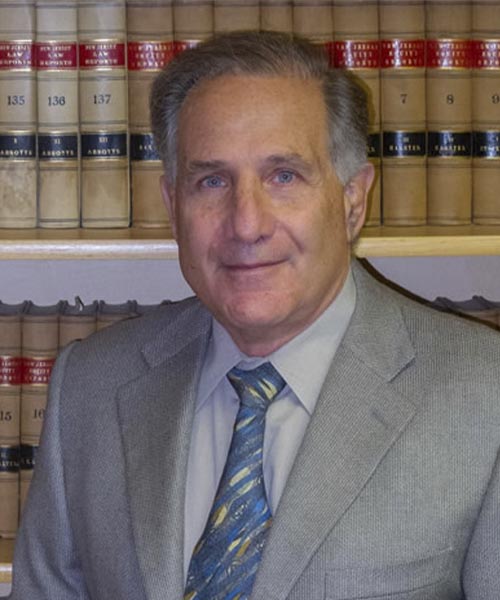
Neil H. Deutsch has been practicing law for over 35 years and is known as a skilled negotiator in employment and discrimination law. He believes in a bottom-line approach of risk analysis and cost effectiveness for his clients. "Case evaluation is something we take seriously," says Mr. Deutsch who seeks top net dollar for his…
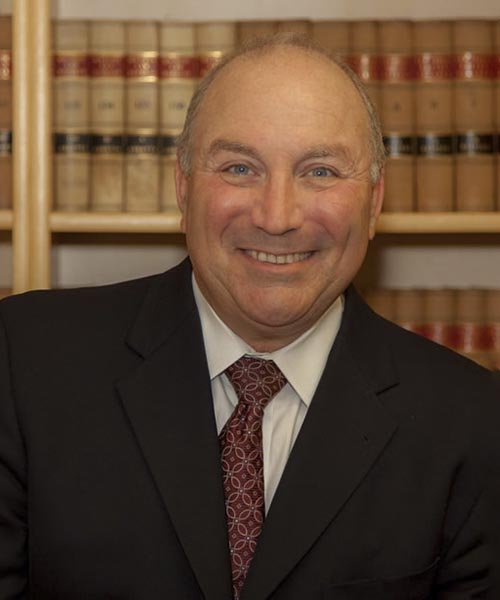
Bruce L. Atkins is the Senior Managing Partner at Deutsch Atkins P.C., a prominent plaintiff employment law firm in the tri-state area. Mr. Atkins believes employees’ rights should be aggressively pursued when they’ve been wrongfully dealt with by their employers. He brings this philosophy to his practice when considering each case and its potential outcomes.…

Michael K. Fortunato is a Partner at Deutsch Atkins, P.C. His practice focuses on employment litigation and counseling for employees and executives, including matters involving discrimination, retaliation, harassment, wrongful termination, whistleblower claims, severance negotiations, employment agreements, and restrictive covenants. Michael represents clients in litigation and administrative proceedings involving state and federal employment laws including the…
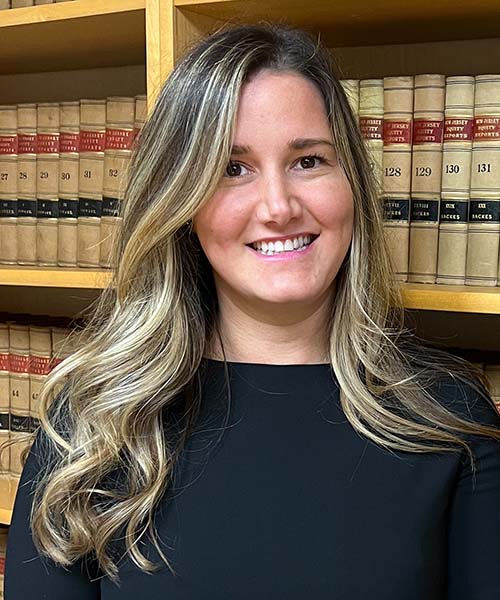
Carly Skarbnik Meredith, Esq. is a Partner at the firm. Carly has focused her career exclusively in the field of employment law. She has a plethora of experience representing both employees and employers with their employment issues, needs, and concerns. She believes representing both employees and employers has made her an extremely well-rounded client advocate.…
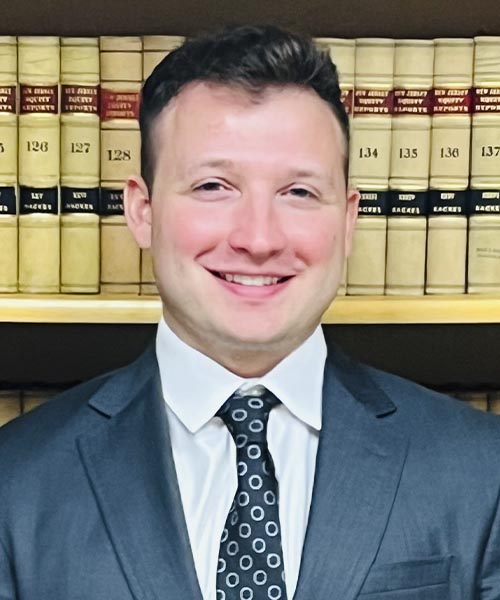
R.J. Prifitera joined Deutsch Atkins, P.C. in October of 2023. R.J. represents employees in wrongful termination, harassment, discrimination, and whistleblowing matters. Prior to joining the firm, R.J. received a B.A. from the University of Delaware in 2018. Thereafter, he attended and graduated Seton Hall University School of Law in 2022 where he received the Monsignor…