

On March 17, 2025, the New Jersey Supreme Court delivered a landmark ruling that significantly affects the legal rights of employees who are paid on commission — a substantial segment of the state’s workforce. The court declared that commissions are “wages” under the New Jersey Wage Payment Law (WPL), which governs how and when employers must pay employees.
Under the ruling, Musker v. Suuchi, Inc., employers are required to pay owed commissions according to the requirements of the WPL, which imposes strict penalties on employers for violations. The employee can recover their commissions plus twice that amount as liquidated damages. The employee can also recover their attorneys’ fees for pursuing a WPL claim.
The case was brought by Rosalyn Musker a former sales representative for Suuchi, Inc., a company that manufactured personal protective equipment (PPE) among other products. Musker was not paid $1.3 million in commissions on PPE sales that she claimed were due. Suuchi, Inc. contended that these commissions were not “wages” under the WPL. The statute defines wages as “the direct monetary compensation for labor or services rendered by an employee, where the amount is determined on a time, task, piece or commission basis excluding any form of supplementary incentives and bonuses.”
The trial judge found that the commissions in question were designed to incentivize Musker, a salaried employee, to go above and beyond her regular sales performance and that they were calculated independently of her regular compensation. As such, they were “supplementary incentives” and not “wages” under the WPL. An appeals court affirmed dismissal of the case.
On appeal to the Supreme Court, argued by Bruce Atkins of Deutsch Atkins, P.C., the justices found unanimously that just because a form of compensation serves to incentivize, that does not make it a “supplementary incentive.” The key question is whether the compensation is for performing “labor or services.” A supplementary incentive is a reward for doing something beyond the employee’s labor or services, such as sharing office space with another employee, working out of a particular office location, achieving perfect attendance or referring a candidate to apply for an open position. By contract, selling PPE constituted rendering labor or services for which compensation was determined on a commission basis. Suuchi acknowledged that Musker’s earnings were directly tied to those sales. The court found the commissions therefore met the WPL’s definition of “wages.” The fact that Musker also received a base salary was irrelevant, since the WPL makes no such distinction.
Employees seeking to recover unpaid wages or can file a claim with the New Jersey Department of Labor and Workforce Development. If the department finds merit in the claim, it can order payment of amounts due. Alternatively, an employee, represented by an experienced New Jersey employment attorney can pursue legal action in court to claim unpaid wages, liquidated damage and attorneys’ fees.
The lawyers at Deutsch Atkins, P.C., with offices in Bergen County, New Jersey, and Rockland County, New York, are well-equipped to represent employees in disputes involving unpaid wages and commissions. Call us at 551-245-8894 or contact us online to arrange a consultation.
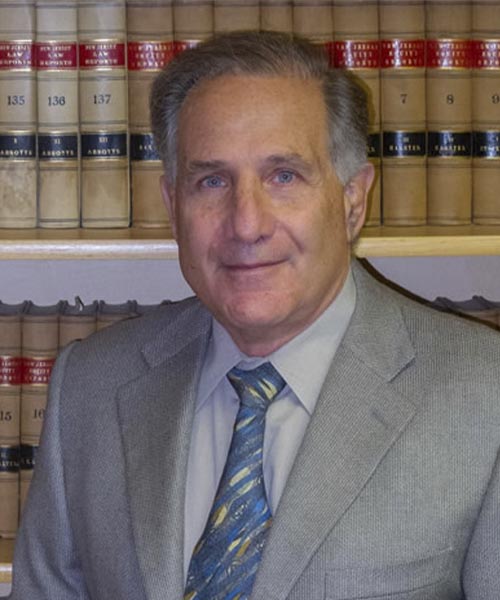
Neil H. Deutsch has been practicing law for over 35 years and is known as a skilled negotiator in employment and discrimination law. He believes in a bottom-line approach of risk analysis and cost effectiveness for his clients. "Case evaluation is something we take seriously," says Mr. Deutsch who seeks top net dollar for his…
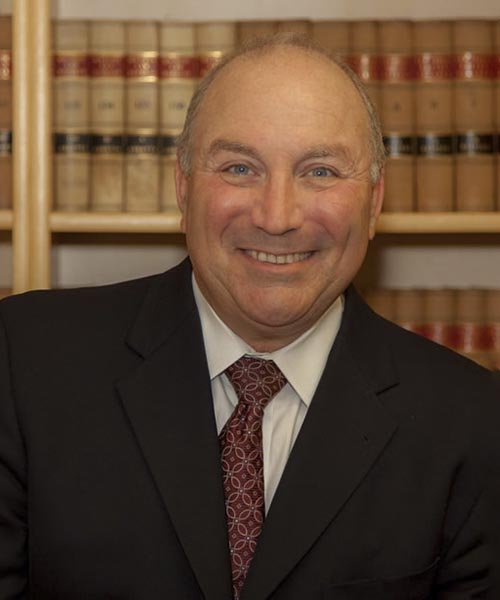
Bruce L. Atkins is the Senior Managing Partner at Deutsch Atkins P.C., a prominent plaintiff employment law firm in the tri-state area. Mr. Atkins believes employees’ rights should be aggressively pursued when they’ve been wrongfully dealt with by their employers. He brings this philosophy to his practice when considering each case and its potential outcomes.…
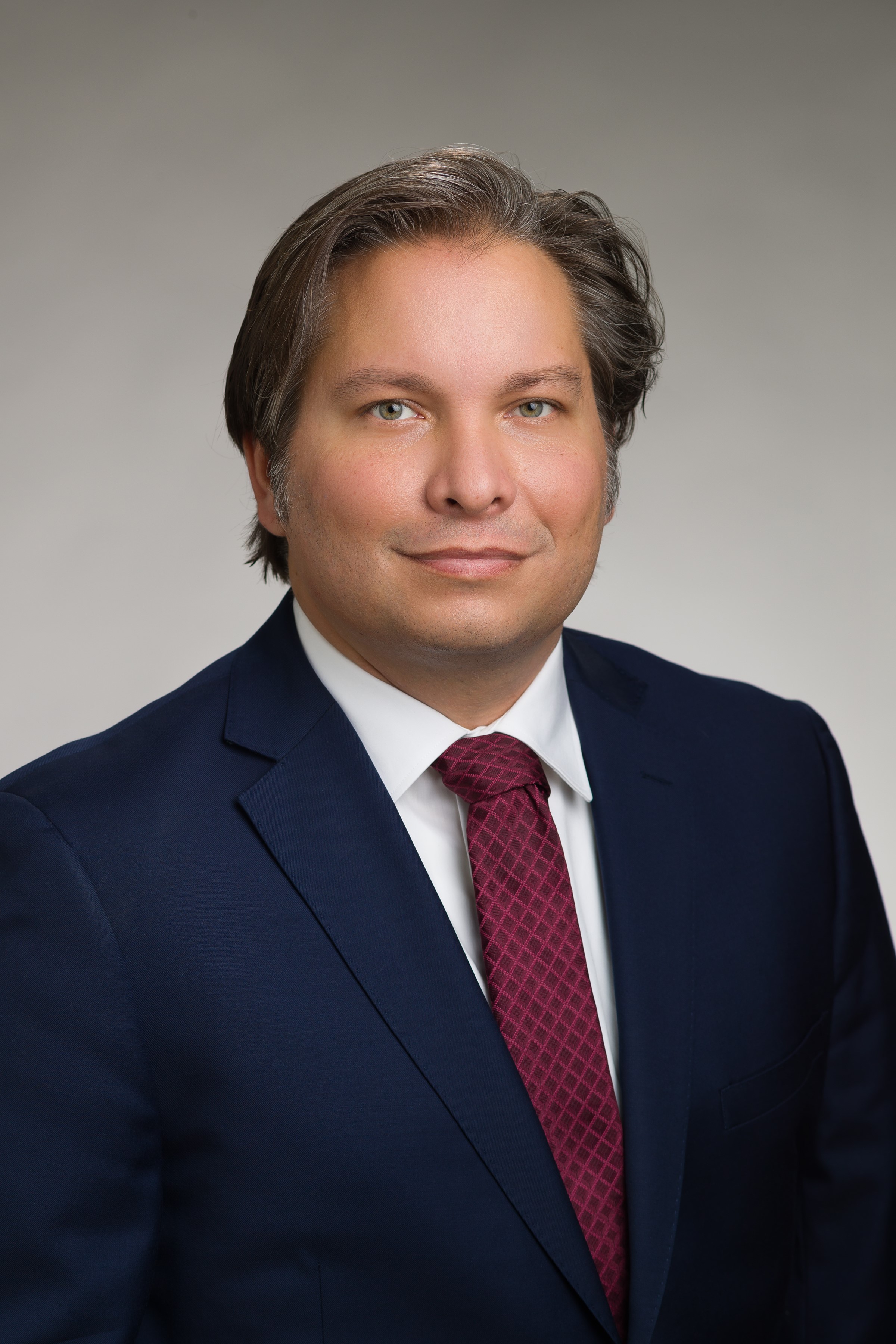
Michael K. Fortunato is a Partner at Deutsch Atkins, P.C. His practice focuses on employment litigation and counseling for employees and executives, including matters involving discrimination, retaliation, harassment, wrongful termination, whistleblower claims, severance negotiations, employment agreements, and restrictive covenants. Michael represents clients in litigation and administrative proceedings involving state and federal employment laws including the…
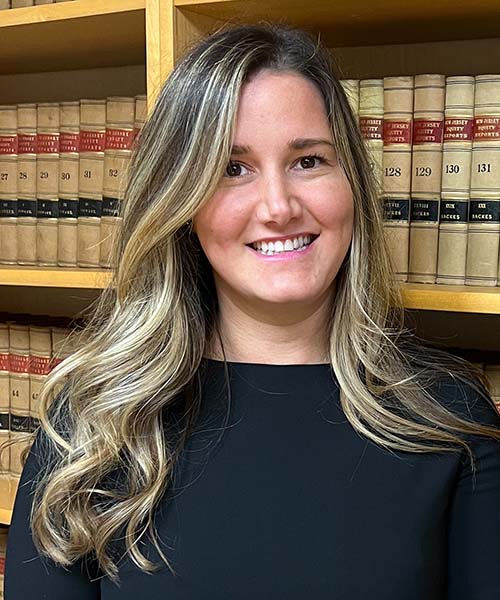
Carly Skarbnik Meredith, Esq. is a Partner at the firm. Carly has focused her career exclusively in the field of employment law. She has a plethora of experience representing both employees and employers with their employment issues, needs, and concerns. She believes representing both employees and employers has made her an extremely well-rounded client advocate.…
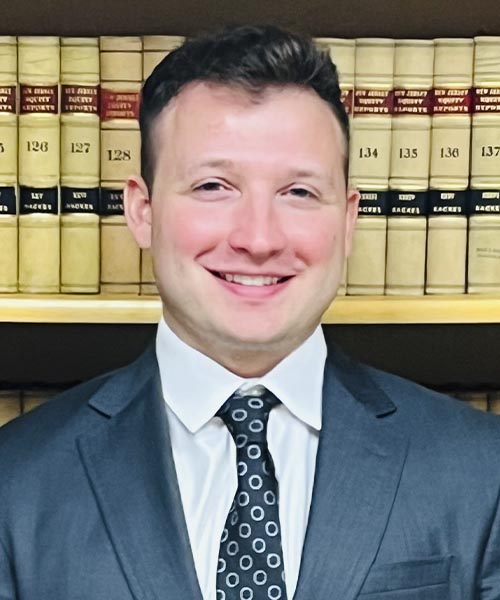
R.J. Prifitera joined Deutsch Atkins, P.C. in October of 2023. R.J. represents employees in wrongful termination, harassment, discrimination, and whistleblowing matters. Prior to joining the firm, R.J. received a B.A. from the University of Delaware in 2018. Thereafter, he attended and graduated Seton Hall University School of Law in 2022 where he received the Monsignor…