

By Bruce Atkins | Published April 4, 2025 | Posted in wage and hour issues | Tagged Tags: New Jersey, Supreme Court, violations | Comments Off on NJ High Court Rules Commissions Are Wages Under State Law

NJ High Court Rules Commissions Are Wages Under State Law
On March 17, 2025, the New Jersey Supreme Court delivered a landmark ruling that significantly affects the legal rights of employees who are paid on commission — a substantial segment of the state’s workforce. The court declared that commissions are “wages” under the New Jersey Wage Payment Law (WPL), which governs how and when employers Read More
Read More
How the Four-Fifths Rule Guides Courts in Disparate Impact Cases
The “four-fifths rule” is a statistical guideline used to help determine whether an employment practice may be discriminatory against a protected group. It provides that if the selection rate (for hiring, promotions, etc.) for any racial, ethnic, or gender group is less than 80 percent (four-fifths) of the rate for the group with the highest Read More
Read More
Differences Between a NJ CEPA Claim and a “Pierce Claim”
In a landmark case, Pierce v. Ortho Pharmaceutical Corp., 84 N.J. 58 (1980), the New Jersey Supreme Court held that an employer cannot terminate an employee for reasons that violate a clear mandate of public policy. A “Pierce claim” can be brought by an employee allegedly discharged for refusing to engage in illegal or unethical Read More
Read More
How Use of Artificial Intelligence in Hiring Can Be Discriminatory
Artificial intelligence (AI) is rapidly expanding as a job-applicant vetting process across the country. AI-powered apps can analyze resumes, assess video interviews and even predict a candidate’s likelihood of success in a given role. Employers are using AI-driven systems to evaluate applicants’ speech patterns, facial expressions and word choices in videos. AI also can curate Read More
Read More
U.S. High Court Clarifies Proof Needed for Overtime Pay Exemptions
The Fair Labor Standards Act (FLSA) imposes rules for overtime pay across the country. The law requires employers to compensate eligible employees at a rate of at least one and a half times their regular pay for hours worked beyond 40 in a workweek. The FLSA makes exemptions for certain employees. Employers bear the burden Read More
Read More
Is Weight Discrimination at Work Against New Jersey Law?
In New Jersey, the question of whether it is illegal for employers to discriminate based on an employee’s or job applicant’s weight is still up in the air. Under current law, weight is not explicitly a protected category under the state’s Law Against Discrimination (LAD). That may soon change, as the New Jersey Senate passed Read More
Read More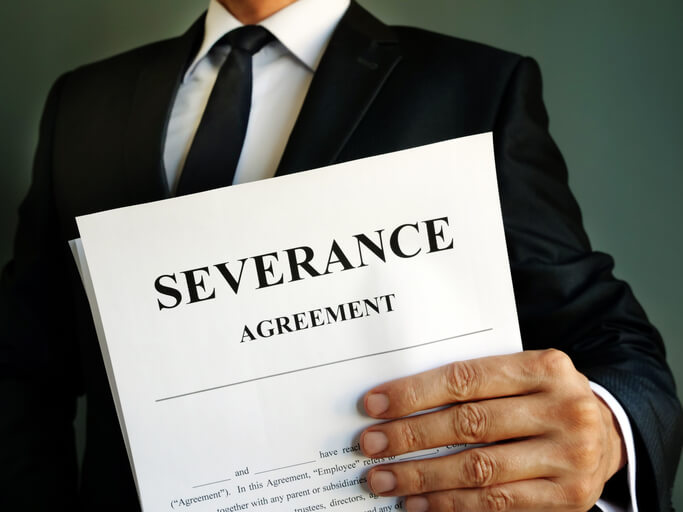
What At-Will Employees Should Know About Severance Agreements
Severance agreements are contracts that set the terms of an employee’s departure from a company. They are very important for at-will employees, who can be terminated by their employer at any time, with or without cause. A severance agreement provides financial compensation but also establishes conditions that the employee must adhere to, some of which Read More
Read More
Disputing Employers’ “Undue Hardship” Claims in Religious Accommodation Cases
New Jersey law prohibits employers from discriminating based on an employee’s religion. Employers must make reasonable accommodations for an employee’s religious observance or practice unless the employer can demonstrate that doing so would result in an undue hardship to the operation of their business. This provision is meant to balance the rights of employees to Read More
Read More
New Jersey Pay Transparency Law Soon to Take Effect
New Jersey has enacted a law aimed at promoting pay equality by requiring employers to provide clear salary and benefits information in their job postings and advertisements. The law, which will take effect on June 1, 2025, is intended to reduce the wage gap and combat potential discrimination by ensuring that workers have access to Read More
Read More
New Protections for Domestic Workers Are in Effect in New Jersey
New Jersey’s new “Domestic Workers’ Bill of Rights” is landmark legislation that grants comprehensive protections to workers in child care, house cleaning and caregiving roles. This law, which took effect in July 2024, covers workers whether they are employed directly by households or via agencies. It applies to all domestic workers regardless of their immigration Read More
Read More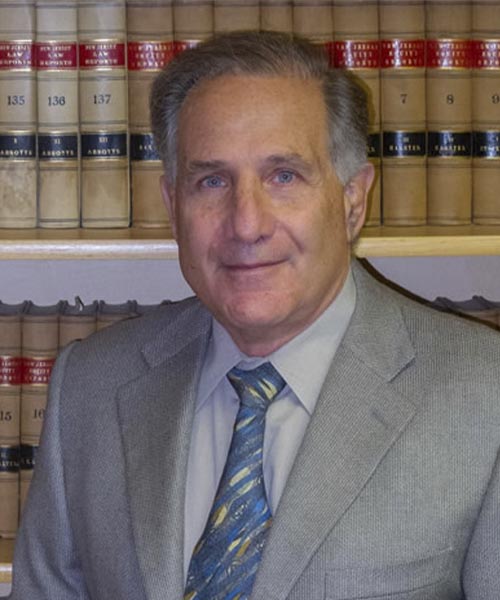
Neil H. Deutsch has been practicing law for over 35 years and is known as a skilled negotiator in employment and discrimination law. He believes in a bottom-line approach of risk analysis and cost effectiveness for his clients. "Case evaluation is something we take seriously," says Mr. Deutsch who seeks top net dollar for his…
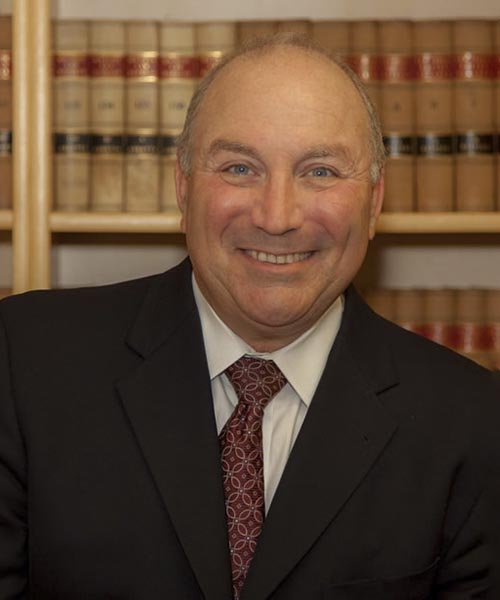
Bruce L. Atkins is the Senior Managing Partner at Deutsch Atkins & Kleinfeldt P.C., a prominent plaintiff employment law firm in the tri-state area. Mr. Atkins believes employees’ rights should be aggressively pursued when they’ve been wrongfully dealt with by their employers. He brings this philosophy to his practice when considering each case and its…

Adam J. Kleinfeldt joined Deutsch Atkins & Kleinfeldt, P.C. in March of 2015. He primarily represents individuals in employment litigation such as discrimination, retaliation and whistle blowing matters. He has extensive experience in all phases of the litigation process. Adam has obtained significant results for his clients, including a $525,000 jury verdict in a sexual…

Debra M. McGarvey joined Deutsch Atkins & Kleinfeldt, P.C. in December 2019. She has extensive experience defending employees and employers in state and federal court in employment litigation matters. She has represented clients on various issues arising out of the New Jersey Law Against Discrimination (NJLAD), the New Jersey Conscientious Employee Protection Act (CEPA), the…
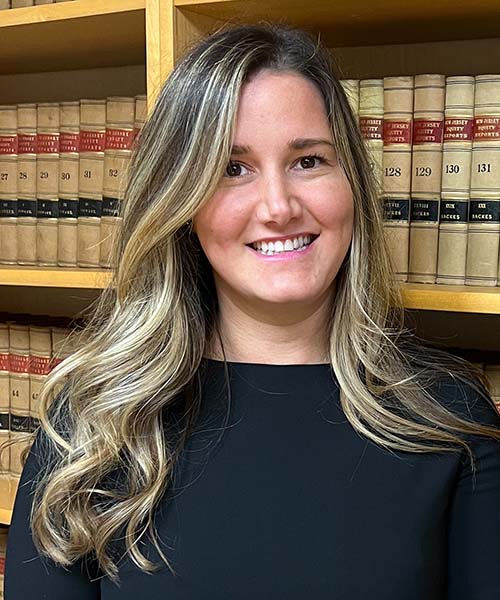
Carly Skarbnik Meredith, Esq. is a Partner at the firm. Carly has focused her career exclusively in the field of employment law. She has a plethora of experience representing both employees and employers with their employment issues, needs, and concerns. She believes representing both employees and employers has made her an extremely well-rounded client advocate.…