
By Bruce Atkins | Published October 30, 2025 | Posted in Employment Law | Tagged Tags: minimum, Raise, wage | Comments Off on How Must Employers Ensure Tipped Workers Get Minimum Wage?

How Must Employers Ensure Tipped Workers Get Minimum Wage?
The Fair Labor Standards Act (FLSA) and New Jersey law safeguard tipped employees so that they receive at least minimum wage, even when their base wage is set below the standard rate via a “tip credit.” New Jersey’s minimum wage is $15.49 per hour as of 2025. However, for tipped employees, such as table servers Read More
Read More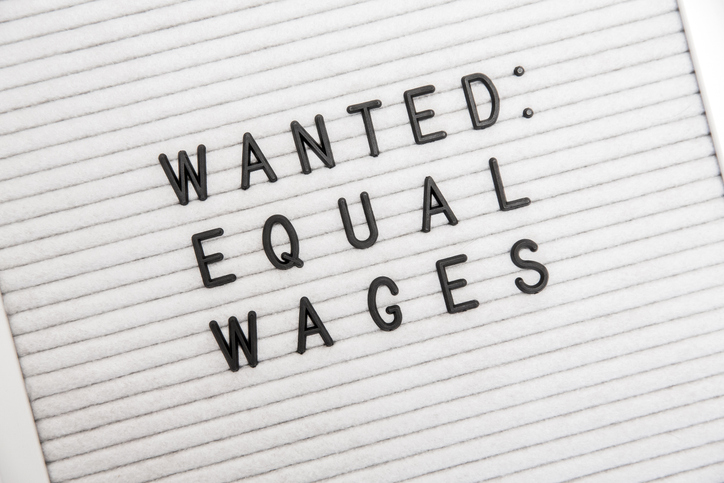
NJ CEPA and Equal Wage Claims Held Preempted by Federal Law
In a significant recent decision, a federal district court ruled that an employee’s claims under New Jersey’s whistleblower and wage discrimination statutes were preempted by the National Labor Relations Act (NLRA). The court, in Davis v. Benihana, Inc., determined that the plaintiff’s claims of retaliation and underpayment — ordinarily protected under New Jersey’s Conscientious Employee Read More
Read More
Proposed NJ DOL Rules Would Refine the ABC Test for Contractors
The New Jersey Department of Labor and Workforce Development (NJDOL) plans to adopt rules that would codify and clarify the state’s “ABC test” for determining independent contractor versus employee status. These proposals, published in the New Jersey Register on May 5, 2025 and now past the public-comment stage, would have substantial impact on employment statutes, Read More
Read MoreNJ Law Will Ban Employers’ “Captive Audience” Meetings
On September 3, 2025, Governor Phil Murphy signed into law a measure that directly impacts the rights of employees across New Jersey. This new legislation safeguards employees from being required to attend, listen to or participate in communications concerning religious or political matters, including discussions involving labor unions. The aim is to uphold employees’ freedom Read More
Read More
How to Know if You’re in a Hostile Work Environment
New Jersey outlaws harassment based on employees’ gender or sexual orientation. This type of disparate treatment is sometimes indirect — not aimed at a particular employee but rather making the workplace intolerable based on a pattern of behavior related to certain personal characteristics. This is known as hostile workplace harassment, and it is actionable if Read More
Read More
EEOC Includes DEI Practices Within Types of Discrimination
Diversity, Equity and Inclusion (DEI) initiatives designed to promote equality in the workplace may constitute unlawful discrimination, according to the Equal Employment Opportunity Commission (EEOC). In a recent set of guidelines, the EEOC said that DEI policies, programs or practices may be unlawful if they involve an employer or other covered entity taking employment actions Read More
Read More
How State and Federal Disability Discrimination Laws Compare
The New Jersey Law Against Discrimination (LAD) and the federal Americans with Disabilities Act (ADA) both aim to provide equal opportunities for individuals with disabilities in the workplace. Despite their shared objectives, these laws differ somewhat in their definitions of disability and in the responsibilities they place on employers. Under the ADA, a disability is Read More
Read More
No Heightened Standard for Majority Title VII Claims, SCOTUS Rules
A recent U.S. Supreme Court decision significantly impacts employees contemplating bringing workplace discrimination cases under federal law. This landmark ruling clarifies that plaintiffs who are members of a “majority group” do not need to meet a heightened evidentiary burden when alleging discrimination under Title VII of the Civil Rights Act of 1964. In Ames v. Read More
Read More
When Can You Sue Your New Jersey Employer for Retaliation?
New Jersey has comprehensive employment laws that protect workers from retaliation when they assert their legal rights or report unlawful conduct. These laws cover a range of workplace activities, explicitly prohibit employer retaliation, and give employees the right to sue if they face adverse actions for engaging in protected activities. Below are key New Jersey Read More
Read More
U.S. DOL Rescinds Rule on Independent Contractor Misclassification
The U.S. Department of Labor (DOL) recently announced a change in its enforcement approach relating to how employers classify workers as independent contractors under the Fair Labor Standards Act (FLSA). This move reverses course from an earlier, more stringent interpretation of contractor classification criteria established under the Biden administration. It has far-reaching consequences for both Read More
Read More
Neil H. Deutsch has been practicing law for over 35 years and is known as a skilled negotiator in employment and discrimination law. He believes in a bottom-line approach of risk analysis and cost effectiveness for his clients. "Case evaluation is something we take seriously," says Mr. Deutsch who seeks top net dollar for his…
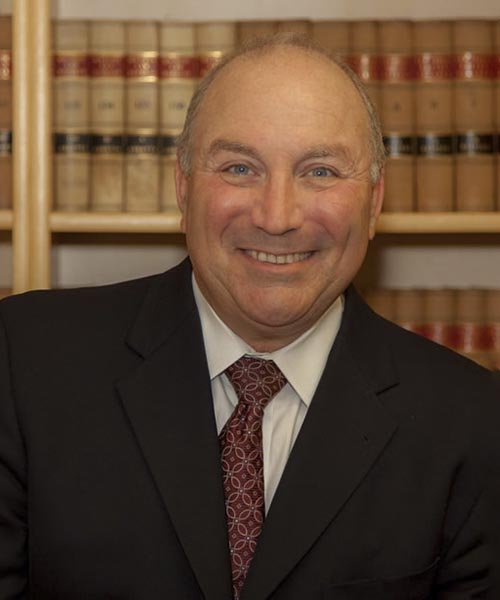
Bruce L. Atkins is the Senior Managing Partner at Deutsch Atkins & Kleinfeldt P.C., a prominent plaintiff employment law firm in the tri-state area. Mr. Atkins believes employees’ rights should be aggressively pursued when they’ve been wrongfully dealt with by their employers. He brings this philosophy to his practice when considering each case and its…

Adam J. Kleinfeldt joined Deutsch Atkins & Kleinfeldt, P.C. in March of 2015. He primarily represents individuals in employment litigation such as discrimination, retaliation and whistle blowing matters. He has extensive experience in all phases of the litigation process. Adam has obtained significant results for his clients, including a $525,000 jury verdict in a sexual…

Debra M. McGarvey joined Deutsch Atkins & Kleinfeldt, P.C. in December 2019. She has extensive experience defending employees and employers in state and federal court in employment litigation matters. She has represented clients on various issues arising out of the New Jersey Law Against Discrimination (NJLAD), the New Jersey Conscientious Employee Protection Act (CEPA), the…
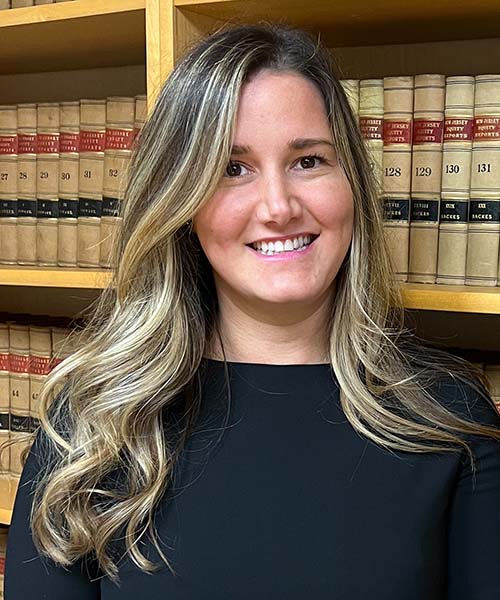
Carly Skarbnik Meredith, Esq. is a Partner at the firm. Carly has focused her career exclusively in the field of employment law. She has a plethora of experience representing both employees and employers with their employment issues, needs, and concerns. She believes representing both employees and employers has made her an extremely well-rounded client advocate.…