
By Bruce Atkins | Published April 16, 2026 | Posted in Employment Law | Tagged Tags: discrimination, harassment, retaliation | Comments Off on How New Jersey Workers Can Recognize and Prove Illegal Retaliation

How New Jersey Workers Can Recognize and Prove Illegal Retaliation
Retaliation remains a challenge faced by New Jersey employees who speak up against wrongdoing. New Jersey law provides some of the nation’s strongest protections for workers, specifically prohibiting employers from punishing employees who report discrimination, harassment, safety concerns or other illegal conduct, even when uncertainty remains about the underlying allegations. Yet, employees need to be Read More
Read MoreWhat You Should Know About the New Jersey Temporary Workers’ Bill of Rights
Thousands of people are hired in New Jersey every year to work in warehousing, manufacturing, transportation and other fields — many by temp agencies who farm them out on a contract basis. Temp workers historically have been denied protections afforded to permanent employees, making them vulnerable to wage theft, unfair working arrangements and other abuses Read More
Read MorePending New Jersey Bill Aims to End Discrimination Against Temporary Workers
New Jersey’s warehouse and e-commerce sectors are booming but the growth depends in large part on the state’s 125,000-plus temp workers, who are disproportionately Black and Latino, and who are routinely paid less than permanent workers. State lawmakers are working on a bill called The Temporary Workers’ Bill of Rights to extend equal rights to Read More
Read MoreUnderstanding Whistleblower and Qui Tam Cases
Whistleblowers are courageous. They often act as society’s canaries in a coal mine, pointing out dangerous situations whose continuance can only lead to abuse and illegal activity that harms society. Unfortunately, instead of being rewarded for their courage in pointing out misdeeds, whistleblowers may be subjected to punishment, harassment, or outright termination of employment. Depending Read More
Read MoreI’m Afraid My Employer Will Retaliate Against Me for Filing a Complaint
While it may seem prudent to put up with illegal situations at work, employees do not have to endure harassment or discrimination in the workplace out of fear of retaliation. Should an employee be fired after filing a complaint, remedies do exist under employment laws for illegal retaliation such as termination, negative evaluation or denial Read More
Read MoreFamous Whistleblowers
The definition of a whistleblower, from the Government Accountability Project, is “an employee who discloses information that s/he reasonably believes is evidence of illegality, gross waste or fraud, mismanagement, abuse of power, general wrongdoing, or a substantial and specific danger to public health and safety. Typically, whistleblowers speak out to parties that can influence and Read More
Read More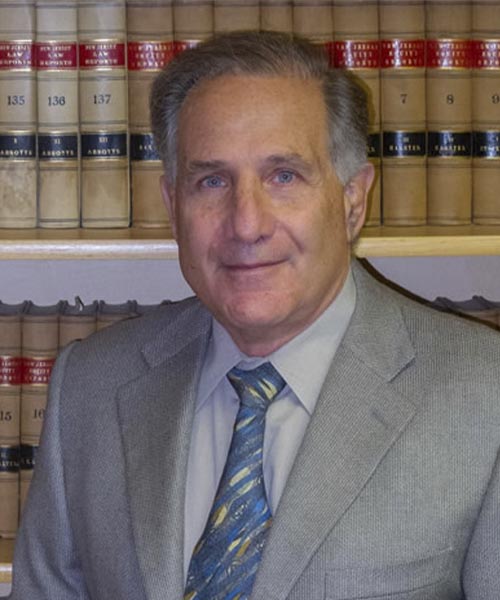
Neil H. Deutsch has been practicing law for over 35 years and is known as a skilled negotiator in employment and discrimination law. He believes in a bottom-line approach of risk analysis and cost effectiveness for his clients. "Case evaluation is something we take seriously," says Mr. Deutsch who seeks top net dollar for his…
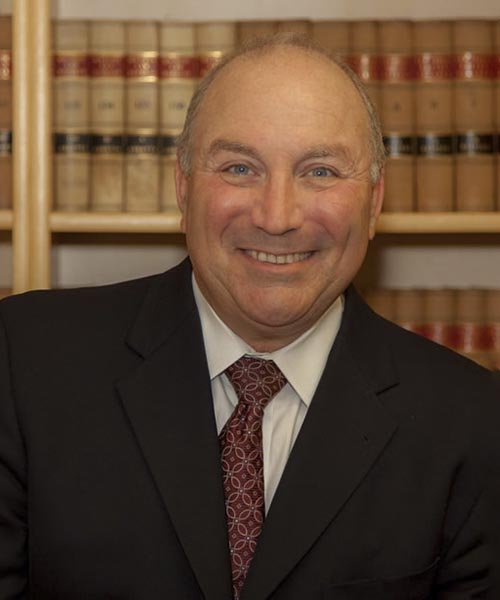
Bruce L. Atkins is the Senior Managing Partner at Deutsch Atkins P.C., a prominent plaintiff employment law firm in the tri-state area. Mr. Atkins believes employees’ rights should be aggressively pursued when they’ve been wrongfully dealt with by their employers. He brings this philosophy to his practice when considering each case and its potential outcomes.…

Michael K. Fortunato is a Partner at Deutsch Atkins, P.C. His practice focuses on employment litigation and counseling for employees and executives, including matters involving discrimination, retaliation, harassment, wrongful termination, whistleblower claims, severance negotiations, employment agreements, and restrictive covenants. Michael represents clients in litigation and administrative proceedings involving state and federal employment laws including the…
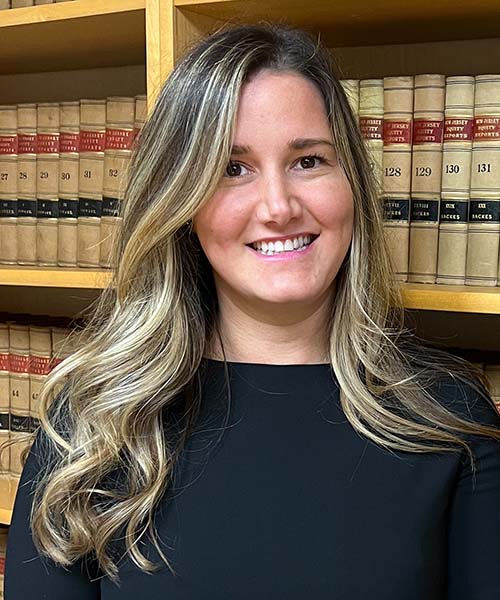
Carly Skarbnik Meredith, Esq. is a Partner at the firm. Carly has focused her career exclusively in the field of employment law. She has a plethora of experience representing both employees and employers with their employment issues, needs, and concerns. She believes representing both employees and employers has made her an extremely well-rounded client advocate.…
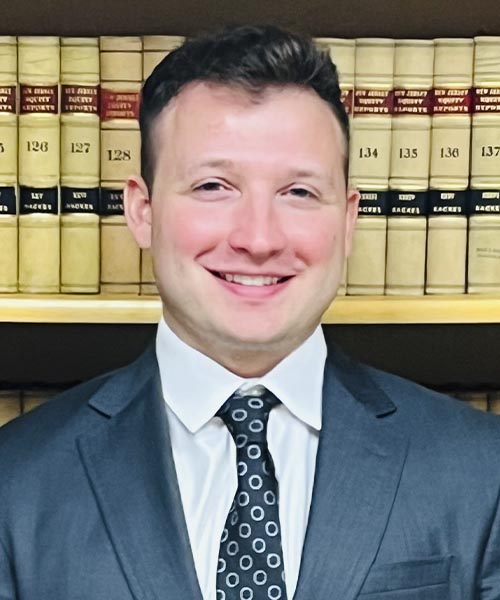
R.J. Prifitera joined Deutsch Atkins, P.C. in October of 2023. R.J. represents employees in wrongful termination, harassment, discrimination, and whistleblowing matters. Prior to joining the firm, R.J. received a B.A. from the University of Delaware in 2018. Thereafter, he attended and graduated Seton Hall University School of Law in 2022 where he received the Monsignor…