
By Bruce Atkins | Published June 30, 2025 | Posted in Employment Law | Tagged Tags: Claims, discrimination, Sick Leave | Comments Off on When Can You Sue Your New Jersey Employer for Retaliation?

When Can You Sue Your New Jersey Employer for Retaliation?
New Jersey has comprehensive employment laws that protect workers from retaliation when they assert their legal rights or report unlawful conduct. These laws cover a range of workplace activities, explicitly prohibit employer retaliation, and give employees the right to sue if they face adverse actions for engaging in protected activities. Below are key New Jersey Read More
Read More
When Can an Employee Make a Claim of Constructive Discharge?
An employee who resigns from a job due to intolerable working conditions may still have a valid claim for damages. While a resignation is usually considered a voluntary action, it may in some circumstances amount to a constructive discharge, which is the equivalent of a wrongful termination. Employers may engage in various actions that could Read More
Read More
What to Do if You’re Being Terminated and Offered Severance
If your employment in New Jersey has been terminated, you may be faced with the decision about whether to accept a severance package. New Jersey law does not mandate that employers provide severance pay unless stipulated by a collective bargaining agreement or employment contract. However, many companies voluntarily offer severance packages to terminated employees. Understanding Read More
Read More
NJ Supreme Court Voids Non-Disparagement Provision in Employment Bias Case
In a significant decision for New Jersey workers, the New Jersey Supreme Court ruled in that non-disparagement clauses cannot be used to silence victims of discrimination, harassment, or retaliation in employment or settlement agreements. Non-disparagement clauses, often included in employment contracts and settlement agreements, are designed to prevent individuals from making negative statements about their Read More
Read More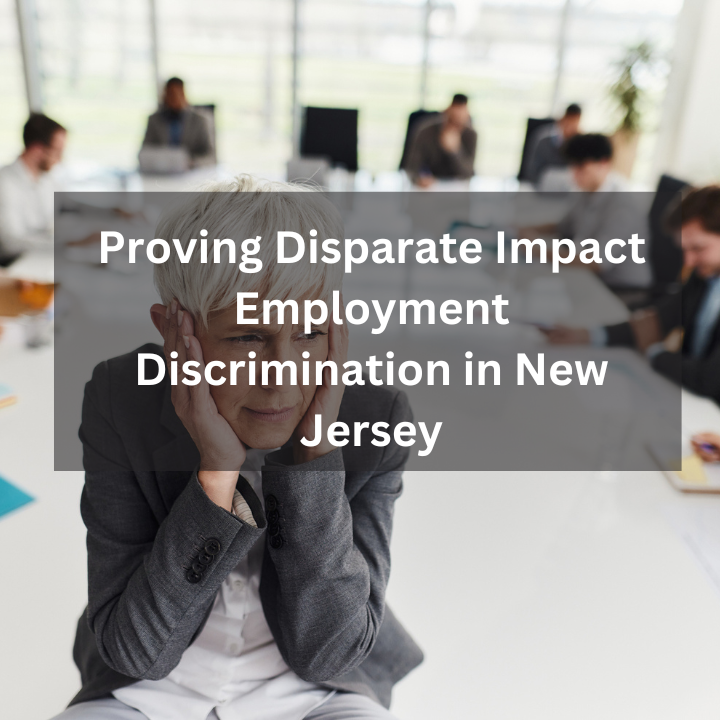
Proving Disparate Impact Employment Discrimination in New Jersey
New Jersey law prohibits discrimination in employment. Most often, illegal discrimination takes the form of conduct that deliberately treats people differently based on their membership in a protected class. However, certain policies and practices — even if neutral on their face — might unduly impact employees in a protected class. This is known as disparate Read More
Read More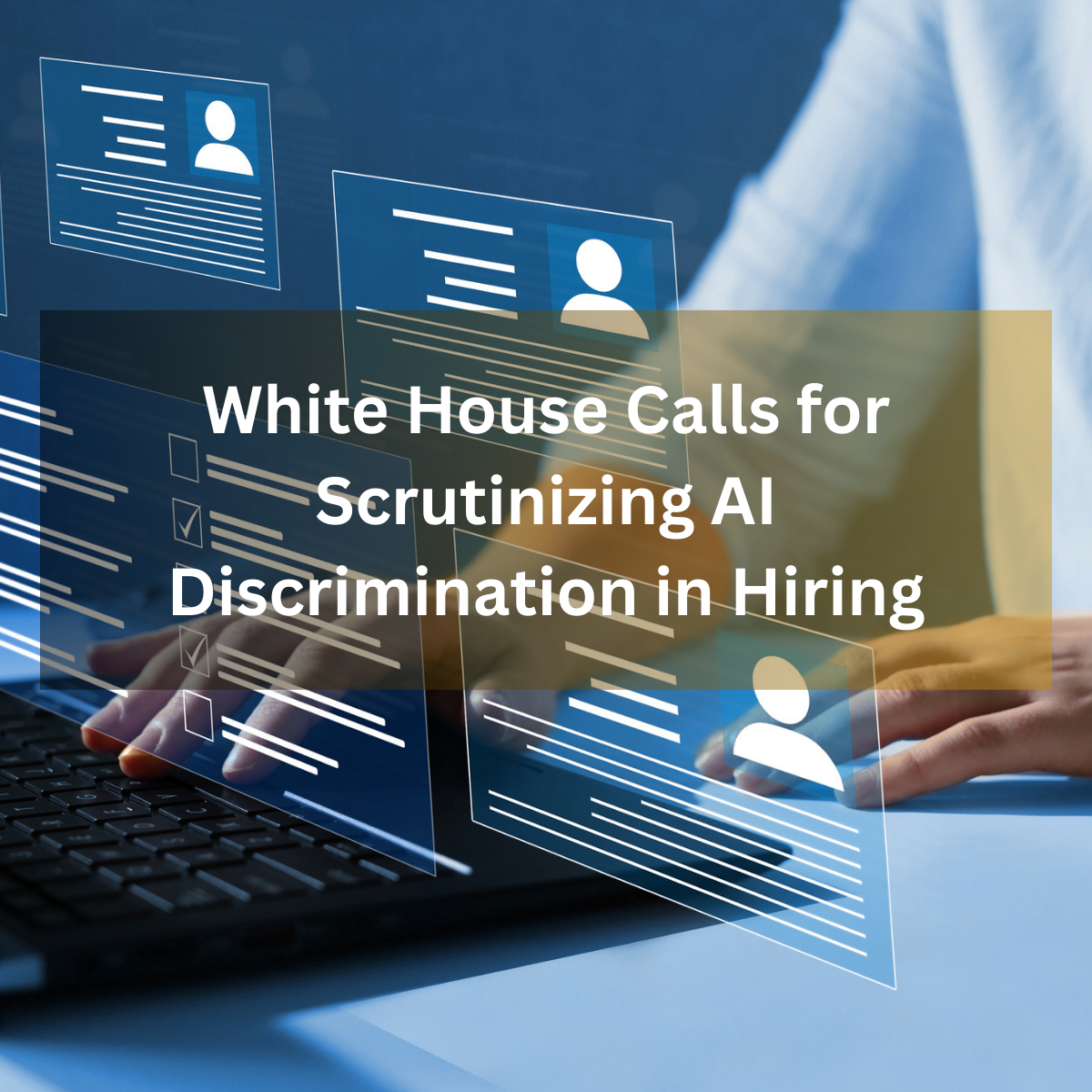
White House Calls for Scrutinizing AI Discrimination in Hiring
Artificial intelligence (AI) is rapidly transforming modern businesses, notably in how they recruit and hire employees. AI tools offer efficiency and speed in sifting through resumes and applications and in curating talent. However, the increased use of these tools has raised concerns about their potential to perpetuate or even intensify discriminatory practices. Addressing this fear, Read More
Read More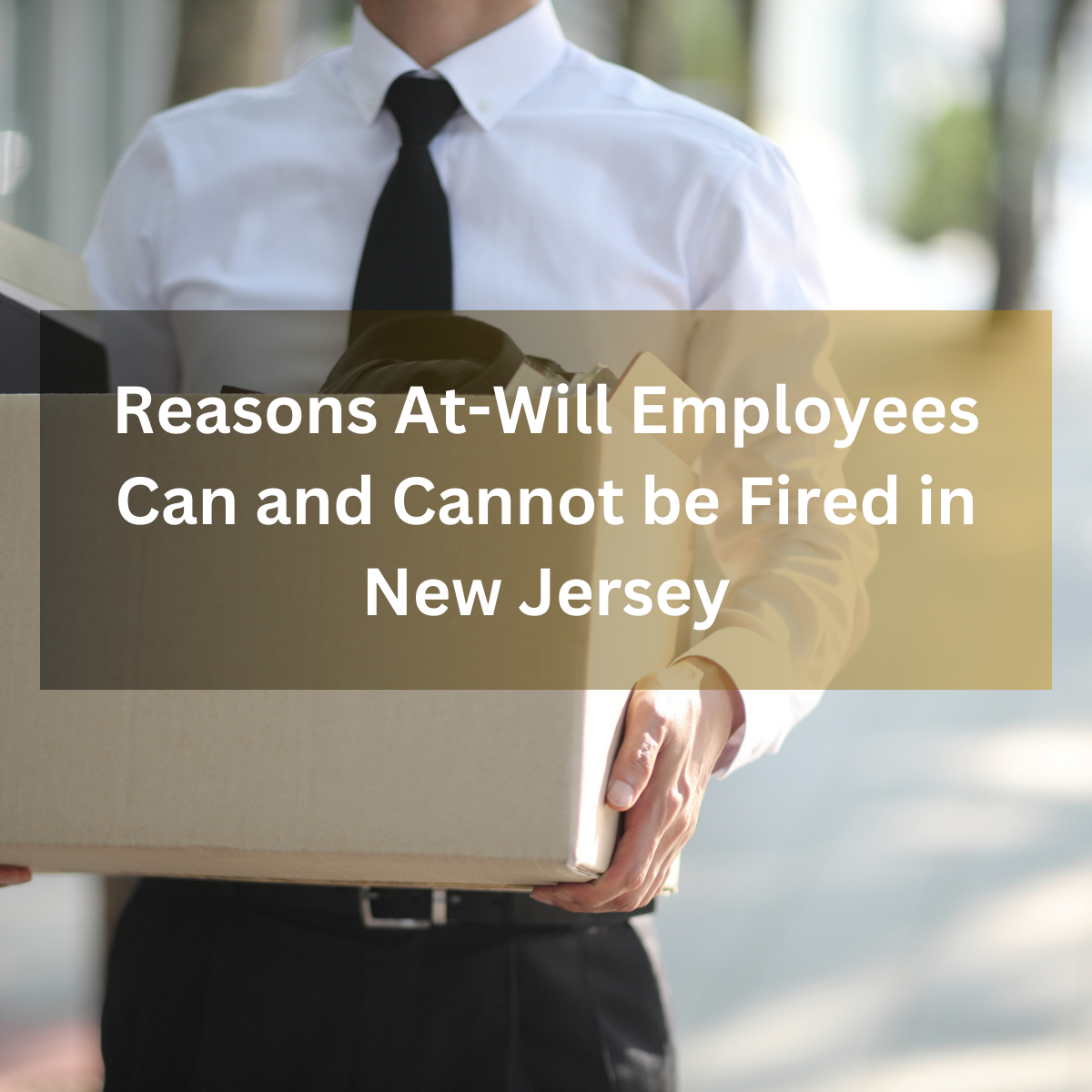
Reasons That At-Will Employees Can and Cannot be Fired in New Jersey
The majority of New Jersey workers are at-will employees, which simply means they are not under contract with the company they work for. They remain employed for only as long as their employer decides they are needed. An employer doesn’t need to have a justification for terminating them. However, there are laws protecting at-will employees Read More
Read More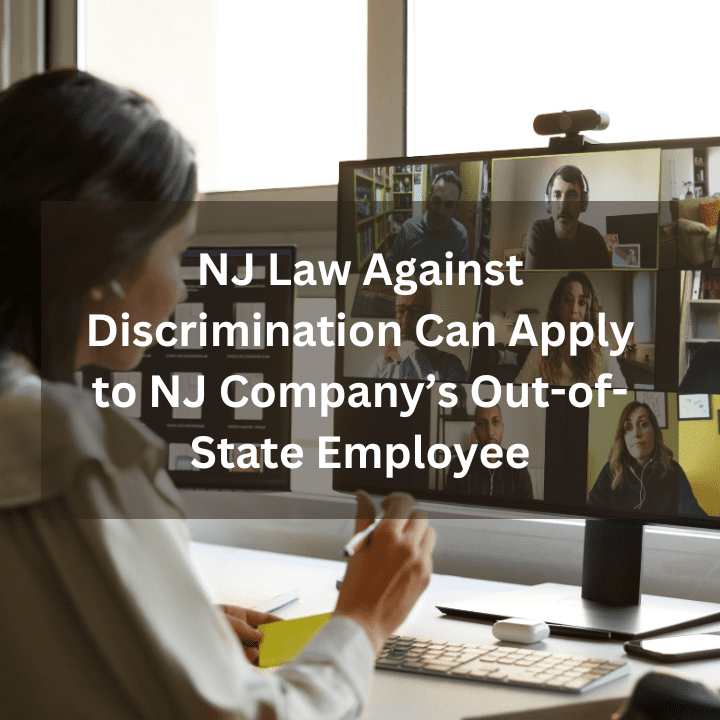
NJ Law Against Discrimination Can Apply to NJ Company’s Out-of-State Employee
In a recent landmark ruling, a federal court has allowed an out-of-state employee to pursue a discrimination claim under New Jersey law. The ruling is the first of its kind in the state and has the potential to impact thousands of employees who work remotely for New Jersey-based companies. Although the case concerned claims of Read More
Read MoreWays to Protect Yourself if You Believe You’re Being Sexually Harassed
New Jersey’s Law Against Discrimination (NJLAD) prohibits sexual harassment in the workplace. You are protected whether you are a full- or part-time employee, an intern or a volunteer. Yet, workers across the state are still subjected to harassment, whether through direct action or through tolerance of a hostile workplace. If you believe you are a Read More
Read MoreWhat is the Difference Between Sexual Harassment and Sexual Assault?
Unfortunately, many people are victims of highly inappropriate behavior or violence that is sexual in nature, whether in or out of the workplace. In modern parlance, the terms “sexual harassment” and “sexual assault” are sometimes used interchangeably. But from a legal perspective, they are very different. Sexual harassment is a civil offense that gives the Read More
Read More
Neil H. Deutsch has been practicing law for over 35 years and is known as a skilled negotiator in employment and discrimination law. He believes in a bottom-line approach of risk analysis and cost effectiveness for his clients. "Case evaluation is something we take seriously," says Mr. Deutsch who seeks top net dollar for his…
Bruce L. Atkins is the Senior Managing Partner at Deutsch Atkins & Kleinfeldt P.C., a prominent plaintiff employment law firm in the tri-state area. Mr. Atkins believes employees’ rights should be aggressively pursued when they’ve been wrongfully dealt with by their employers. He brings this philosophy to his practice when considering each case and its…

Adam J. Kleinfeldt joined Deutsch Atkins & Kleinfeldt, P.C. in March of 2015. He primarily represents individuals in employment litigation such as discrimination, retaliation and whistle blowing matters. He has extensive experience in all phases of the litigation process. Adam has obtained significant results for his clients, including a $525,000 jury verdict in a sexual…

Debra M. McGarvey joined Deutsch Atkins & Kleinfeldt, P.C. in December 2019. She has extensive experience defending employees and employers in state and federal court in employment litigation matters. She has represented clients on various issues arising out of the New Jersey Law Against Discrimination (NJLAD), the New Jersey Conscientious Employee Protection Act (CEPA), the…

Carly Skarbnik Meredith, Esq. is a Partner at the firm. Carly has focused her career exclusively in the field of employment law. She has a plethora of experience representing both employees and employers with their employment issues, needs, and concerns. She believes representing both employees and employers has made her an extremely well-rounded client advocate.…