
By Bruce Atkins | Published March 28, 2026 | Posted in Employment Law | Tagged Tags: accommodation, discrimination, legitimate | Comments Off on When Pregnancy Discrimination Hides in Plain Sight

When Pregnancy Discrimination Hides in Plain Sight
New Jersey has one of the most robust state statutes providing strong safeguards for pregnant and postpartum workers. Yet, pregnancy discrimination rarely announces itself with blatant statements or overt acts. Instead, employers often veil discriminatory motives behind neutral-sounding explanations: reasons that may seem legitimate on the surface but crumble on closer inspection. The New Jersey Read More
Read More
How AI in Recruitment and Hiring Can Cause Illegal Discrimination
Artificial intelligence is transforming the hiring process, with AI tools now used in nearly every stage: résumé screening, video interview analysis, skills assessments and even personality scoring. Employers might turn to these technologies to save themselves the tedium of sifting through, analyzing and comparing applications. However, AI systems learn from historical hiring data, which often Read More
Read More
NJ Law Protects Remote and Hybrid Workers from Discrimination
As remote and hybrid work arrangements become the norm, New Jersey’s Law Against Discrimination (NJLAD) offers robust protections for employees of New Jersey-based companies, no matter where the employee’s home office may be. Recent guidance issued by the New Jersey Division on Civil Rights (DCR) clarifies that the NJLAD’s reach covers a broad range of Read More
Read More
How NJ’s Updated Procedures Affect Discrimination Complaints
The New Jersey Law Against Discrimination (NJLAD) is a landmark law safeguarding individuals from discrimination in employment. The New Jersey Division on Civil Rights (DCR), which enforces the NJLAD, has recently made significant updates to its Rules of Practice that modernize and streamline how discrimination complaints are processed. These changes promise important improvements to both Read More
Read More
NJ Adopts New Regulations on Disparate Impact Discrimination
The New Jersey Law Against Discrimination (NJLAD) stands as one of the strongest civil rights statutes in the country, protecting workers from bias based on diverse characteristics. One type of prohibited action is disparate impact discrimination, which occurs when a facially neutral policy disproportionately harms members of a protected group, such as people of a Read More
Read More
Five Common Mistakes to Avoid in Filing an Employment Complaint
Employees in New Jersey facing discrimination, harassment, wage and hour violations or retaliation can file complaints with state or federal authorities. However, simply filing a complaint is not enough. There are common errors and omissions that can undermine your ability to get the relief you may be entitled to. Knowing how to avoid these mistakes Read More
Read More
Age Discrimination in Tech and Finance: A Growing Concern in NJ
New Jersey is a major hub for technology and finance, boasting clusters of innovative startups, established financial institutions and a thriving workforce. But beneath the surface, age discrimination is becoming a significant problem in these sectors. Despite cutting-edge ideas and quick adaptability, the tech and finance industries are getting a reputation for undervaluing their most Read More
Read More
EEOC Includes DEI Practices Within Types of Discrimination
Diversity, Equity and Inclusion (DEI) initiatives designed to promote equality in the workplace may constitute unlawful discrimination, according to the Equal Employment Opportunity Commission (EEOC). In a recent set of guidelines, the EEOC said that DEI policies, programs or practices may be unlawful if they involve an employer or other covered entity taking employment actions Read More
Read More
How State and Federal Disability Discrimination Laws Compare
The New Jersey Law Against Discrimination (LAD) and the federal Americans with Disabilities Act (ADA) both aim to provide equal opportunities for individuals with disabilities in the workplace. Despite their shared objectives, these laws differ somewhat in their definitions of disability and in the responsibilities they place on employers. Under the ADA, a disability is Read More
Read More
No Heightened Standard for Majority Title VII Claims, SCOTUS Rules
A recent U.S. Supreme Court decision significantly impacts employees contemplating bringing workplace discrimination cases under federal law. This landmark ruling clarifies that plaintiffs who are members of a “majority group” do not need to meet a heightened evidentiary burden when alleging discrimination under Title VII of the Civil Rights Act of 1964. In Ames v. Read More
Read More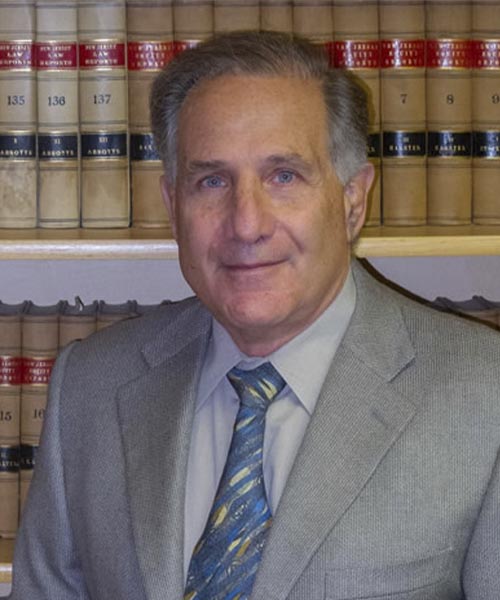
Neil H. Deutsch has been practicing law for over 35 years and is known as a skilled negotiator in employment and discrimination law. He believes in a bottom-line approach of risk analysis and cost effectiveness for his clients. "Case evaluation is something we take seriously," says Mr. Deutsch who seeks top net dollar for his…
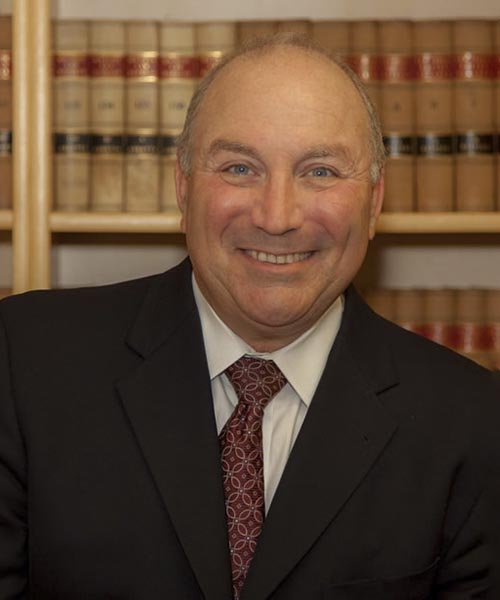
Bruce L. Atkins is the Senior Managing Partner at Deutsch Atkins & Kleinfeldt P.C., a prominent plaintiff employment law firm in the tri-state area. Mr. Atkins believes employees’ rights should be aggressively pursued when they’ve been wrongfully dealt with by their employers. He brings this philosophy to his practice when considering each case and its…

Adam J. Kleinfeldt joined Deutsch Atkins & Kleinfeldt, P.C. in March of 2015. He primarily represents individuals in employment litigation such as discrimination, retaliation and whistle blowing matters. He has extensive experience in all phases of the litigation process. Adam has obtained significant results for his clients, including a $525,000 jury verdict in a sexual…

Debra M. McGarvey joined Deutsch Atkins & Kleinfeldt, P.C. in December 2019. She has extensive experience defending employees and employers in state and federal court in employment litigation matters. She has represented clients on various issues arising out of the New Jersey Law Against Discrimination (NJLAD), the New Jersey Conscientious Employee Protection Act (CEPA), the…
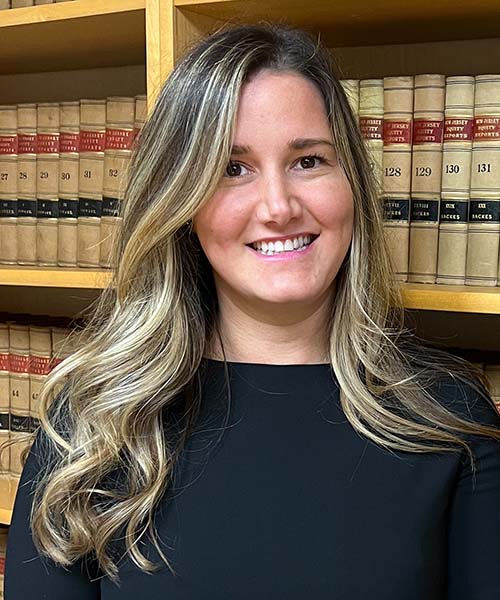
Carly Skarbnik Meredith, Esq. is a Partner at the firm. Carly has focused her career exclusively in the field of employment law. She has a plethora of experience representing both employees and employers with their employment issues, needs, and concerns. She believes representing both employees and employers has made her an extremely well-rounded client advocate.…