

Retaliation remains a challenge faced by New Jersey employees who speak up against wrongdoing. New Jersey law provides some of the nation’s strongest protections for workers, specifically prohibiting employers from punishing employees who report discrimination, harassment, safety concerns or other illegal conduct, even when uncertainty remains about the underlying allegations. Yet, employees need to be able to identify and prove that an employer’s adverse actions constitute retaliation.
The first step is understanding what constitutes “protected activity.” Employees are shielded from retaliation not only for formally filing complaints but also for raising issues internally, whether through HR, a supervisor or even informal channels. Protected activities include:
- Reporting or opposing discrimination, harassment or bias
- Requesting accommodations for pregnancy or disability
- Alerting authorities to unsafe practices, fraud or violations of law under the Conscientious Employee Protection Act (CEPA)
- Supporting a coworker’s complaint or participating in an employer’s investigation
Retaliation often emerges in subtle ways. It can involve a sudden negative review or write-up following a complaint, exclusion from meetings or important projects, undesirable schedule changes or increased micromanagement and scrutiny from supervisors. In some cases, the retaliation escalates to demotion, termination or being pressured to resign. Frequently, retaliation builds through a pattern of hostile behavior and cumulative changes rather than one dramatic event.
Courts examine timing, such as whether adverse actions occurred soon after a complaint. They also look for shifting or inconsistent explanations from the employer, look at how similarly situated employees were treated and consider patterns of hostility or escalating discipline as further evidence.
Signs of retaliation can include a previously positive employment record followed by sudden criticism or negative feedback, being excluded from communications or opportunities, unexplained changes in duties that limit visibility or advancement, comments about “causing trouble” or increased nitpicking about minor issues.
Documentation is often the key to success in proving retaliation. Employees should keep a detailed record of when and how they complained, emails or messages reflecting subsequent treatment, copies of performance evaluations before and after the protected activity and notes about witnesses or written explanations for adverse actions.
Retaliation is illegal even when disguised as “performance management” or organizational restructuring. If you notice a sudden change in how you’re treated after speaking up, trust your instincts and seek legal guidance promptly to protect your rights.
The law firm of Deutsch Atkins, P.C. in Hackensack helps employees of New Jersey companies pursue legal remedies for illegal retaliation. Call us at 551-245-8894 or contact us online to schedule a confidential attorney consultation.
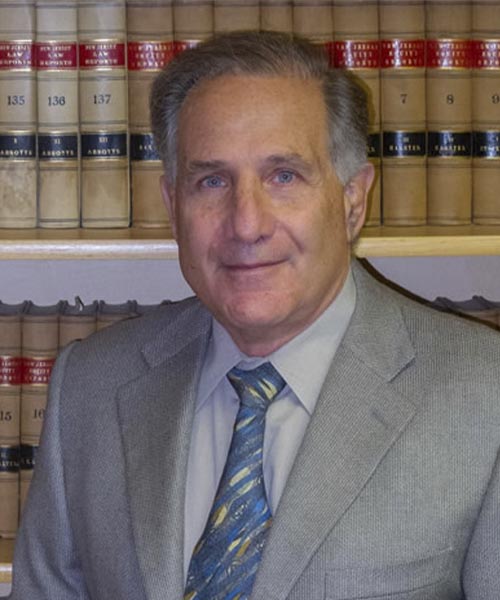
Neil H. Deutsch has been practicing law for over 35 years and is known as a skilled negotiator in employment and discrimination law. He believes in a bottom-line approach of risk analysis and cost effectiveness for his clients. "Case evaluation is something we take seriously," says Mr. Deutsch who seeks top net dollar for his…
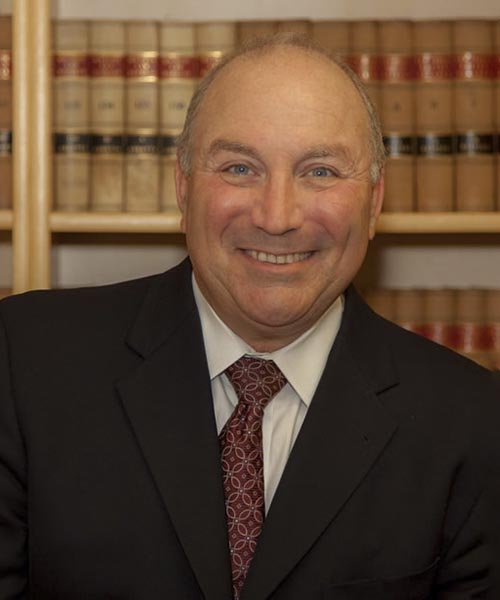
Bruce L. Atkins is the Senior Managing Partner at Deutsch Atkins P.C., a prominent plaintiff employment law firm in the tri-state area. Mr. Atkins believes employees’ rights should be aggressively pursued when they’ve been wrongfully dealt with by their employers. He brings this philosophy to his practice when considering each case and its potential outcomes.…

Michael K. Fortunato is a Partner at Deutsch Atkins, P.C. His practice focuses on employment litigation and counseling for employees and executives, including matters involving discrimination, retaliation, harassment, wrongful termination, whistleblower claims, severance negotiations, employment agreements, and restrictive covenants. Michael represents clients in litigation and administrative proceedings involving state and federal employment laws including the…
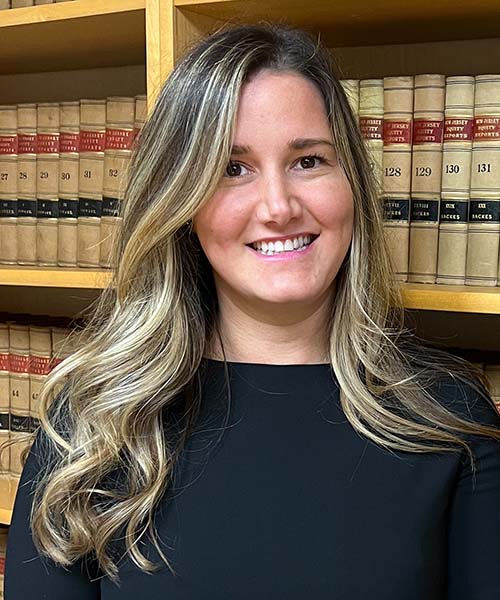
Carly Skarbnik Meredith, Esq. is a Partner at the firm. Carly has focused her career exclusively in the field of employment law. She has a plethora of experience representing both employees and employers with their employment issues, needs, and concerns. She believes representing both employees and employers has made her an extremely well-rounded client advocate.…
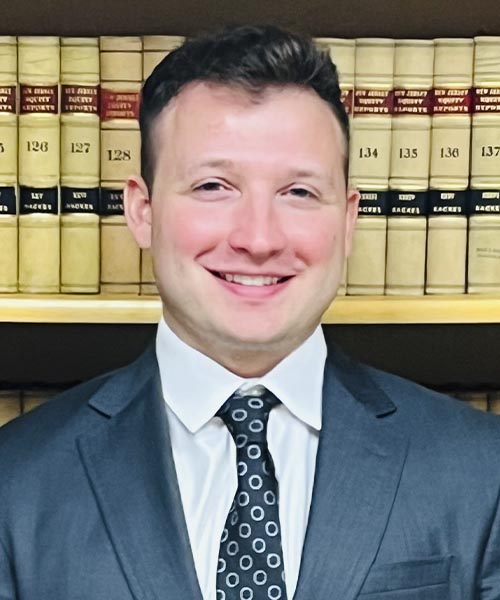
R.J. Prifitera joined Deutsch Atkins, P.C. in October of 2023. R.J. represents employees in wrongful termination, harassment, discrimination, and whistleblowing matters. Prior to joining the firm, R.J. received a B.A. from the University of Delaware in 2018. Thereafter, he attended and graduated Seton Hall University School of Law in 2022 where he received the Monsignor…