

Across the nation, pay transparency is rapidly growing. In recent years, states like New York, California, Colorado and Washington have enacted laws requiring employers to include salary ranges in job postings. Even though New Jersey hasn’t yet passed its own mandatory disclosure law, many employers operating in the Garden State now post salary ranges voluntarily. This may be due to their operations in states with transparency rules or to growing public expectations. For New Jersey workers, this surge in visibility brings opportunities to uncover pay gaps that may have gone unnoticed for years.
Pay transparency provides employees with clear benchmarks to identify inequities. When companies list salary ranges for open positions, both internally and externally, workers can compare the pay offered to new hires with their own salaries for the same role. Public job postings for equivalent positions — sometimes even at their own organization — make it easier for employees to see if they’re at the lower end of the pay scale. Internal salary bands that surface during promotions or transfers shed additional light on compensation structures. This information can expose disparities that disproportionately affect women, workers of color, older employees and workers returning from leave.
Workers should be alert to warning signs of unfairness, such as:
- externally posted salary ranges for their jobs that are far above what they earn
- new hires receiving higher base pay than long-term staff doing the same work
- Inconsistent raises or bonuses without clear rationale
- pay decreases or stagnation after returning from protected leave
- arbitrary use of location-based pay scales for remote employees
These red flags can serve as evidence for workers challenging their compensation as discriminatory.
New Jersey boasts one of the nation’s strongest equal pay laws: the Diane B. Allen Equal Pay Act. This law requires equal pay for “substantially similar work,” not just identical job titles. Its protections extend across all classes covered by the state’s Law Against Discrimination and provide for treble damages if violations are proven. The NJLAD also supports employees seeking to challenge discriminatory pay practices, adding legal muscle behind claims of wage inequality.
Importantly, pay transparency interacts closely with legal protections against retaliation. New Jersey employees have the right to discuss wages with coworkers and the law shields those who raise concerns about potential pay discrimination. Retaliation such as demotion, reduced hours or termination for questioning compensation is forbidden under the NJLAD.
For those who suspect pay discrimination, several practical steps can help. Gathering evidence — including job postings with salary ranges, written communication about pay and comparisons of job duties — builds a strong foundation. Workers should also track changes in pay after any protected activity and seek written explanations for pay decisions that don’t add up. Most importantly, seek legal counsel who can provide advice and assist you in building a case for compensation.
The law firm of Deutsch Atkins, P.C. in Hackensack helps employees of New Jersey companies enforce their right against discrimination and to seek justice when violations occur. Call us at 551-245-8894 or contact us online to schedule a confidential attorney consultation.
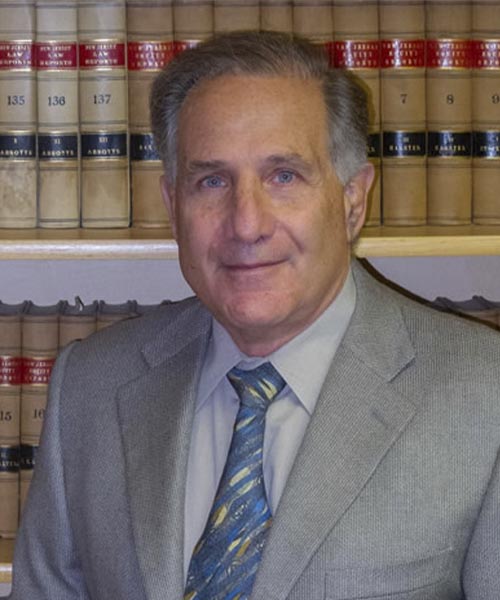
Neil H. Deutsch has been practicing law for over 35 years and is known as a skilled negotiator in employment and discrimination law. He believes in a bottom-line approach of risk analysis and cost effectiveness for his clients. "Case evaluation is something we take seriously," says Mr. Deutsch who seeks top net dollar for his…
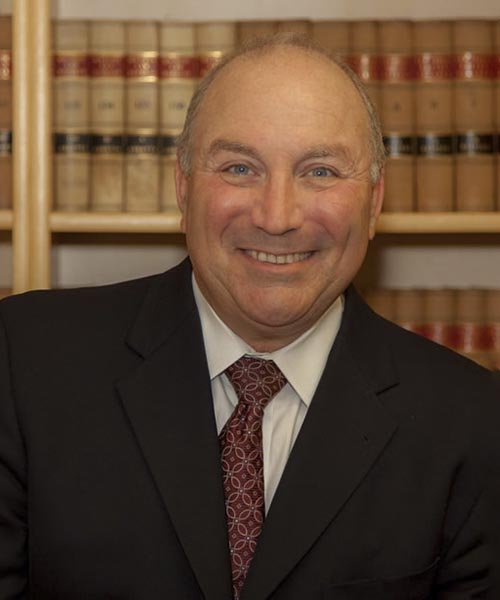
Bruce L. Atkins is the Senior Managing Partner at Deutsch Atkins P.C., a prominent plaintiff employment law firm in the tri-state area. Mr. Atkins believes employees’ rights should be aggressively pursued when they’ve been wrongfully dealt with by their employers. He brings this philosophy to his practice when considering each case and its potential outcomes.…
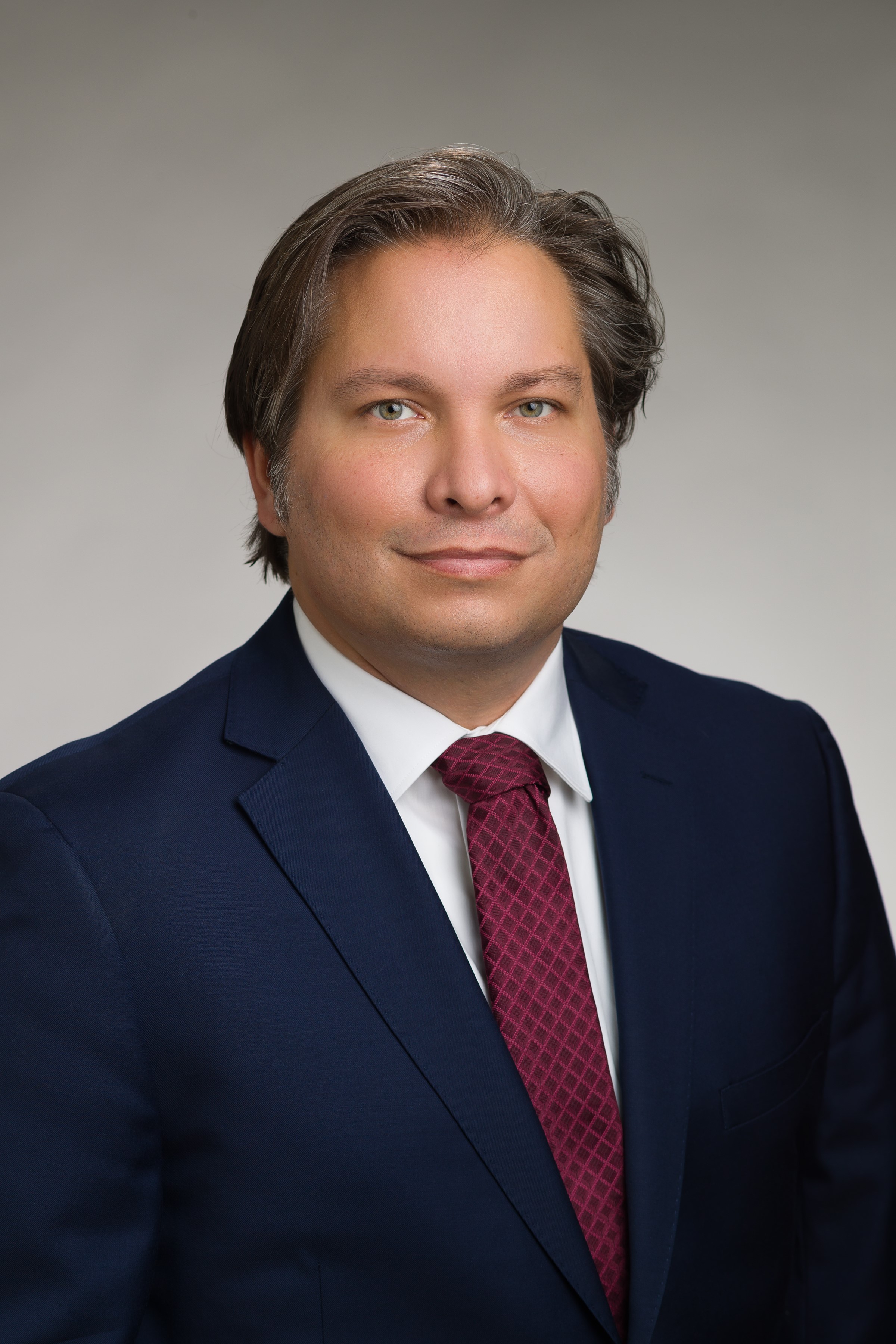
Michael K. Fortunato is a Partner at Deutsch Atkins, P.C. His practice focuses on employment litigation and counseling for employees and executives, including matters involving discrimination, retaliation, harassment, wrongful termination, whistleblower claims, severance negotiations, employment agreements, and restrictive covenants. Michael represents clients in litigation and administrative proceedings involving state and federal employment laws including the…
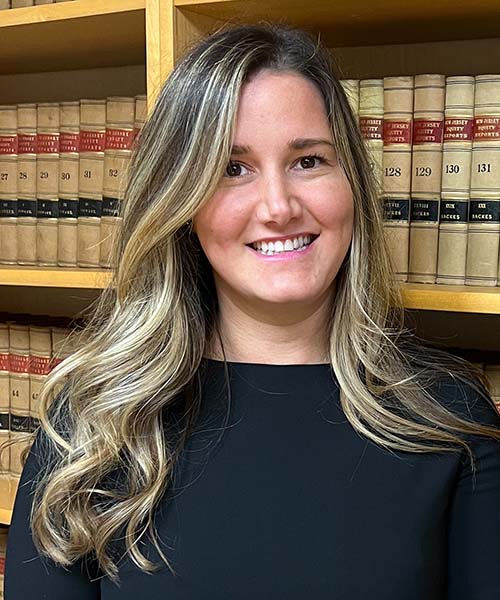
Carly Skarbnik Meredith, Esq. is a Partner at the firm. Carly has focused her career exclusively in the field of employment law. She has a plethora of experience representing both employees and employers with their employment issues, needs, and concerns. She believes representing both employees and employers has made her an extremely well-rounded client advocate.…
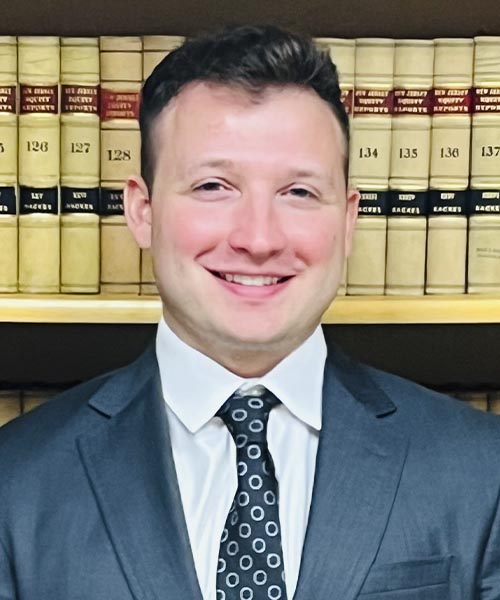
R.J. Prifitera joined Deutsch Atkins, P.C. in October of 2023. R.J. represents employees in wrongful termination, harassment, discrimination, and whistleblowing matters. Prior to joining the firm, R.J. received a B.A. from the University of Delaware in 2018. Thereafter, he attended and graduated Seton Hall University School of Law in 2022 where he received the Monsignor…