


In a significant recent decision, a federal district court ruled that an employee’s claims under New Jersey’s whistleblower and wage discrimination statutes were preempted by the National Labor Relations Act (NLRA).
The court, in Davis v. Benihana, Inc., determined that the plaintiff’s claims of retaliation and underpayment — ordinarily protected under New Jersey’s Conscientious Employee Protection Act (CEPA) and the New Jersey Law Against Discrimination (NJL:AD) — fell squarely within the scope of the NLRA and thus must be decided by the National Labor Relations Board (NLRB), not the state courts.
The plaintiff, Aaron Davis, a chef at the Benihana restaurant in Pennsauken, alleged that he suffered retaliation for engaging in discussions with a co-worker about allegedly unfair pay. After learning of the discussion, the manager called a meeting with all of the chefs, warning them that discussing pay in the workplace was a terminable offense. Davis spoke up, stating that an employer could not lawfully terminate an employee for that reason. Later the same day, he was fired.
Davis filed a lawsuit in state court under CEPA and the NJLAD, alleging illegal retaliation. Benihana removed the case to federal court and moved to dismiss on preemption grounds. The employer argued that the complained-of conduct was concerted activity aimed at improving workplace conditions, which is within the purview of the protections of NLRA Sections 7 and 8. The court agreed and dismissed, ruling that when conduct is “arguably” protected or prohibited by the NLRA, state law claims based on the same conduct are preempted to preserve the federal regulatory scheme and avoid conflicting rulings.
Davis argued that New Jersey’s whistleblower and wage discrimination laws qualify for the “local interest” exception to preemption. This exception allows some state claims to survive if they vindicate interests “deeply rooted in local feeling and responsibility,” such as violence, threats or malicious defamation. However, the court determined Davis’s claims were traditional labor issues that the NLRA was designed to regulate. Neither the whistleblower nor wage discrimination aspects involved the sort of egregious or locally-rooted misconduct that falls outside federal labor oversight, the court said.
The effect of the ruling is that employees may have to pursue their CEPA and wage discrimination claims at the NLRB, where remedies and procedure can be more limited and damages narrower. However, employees may still have avenues for state-court relief. Retaliation against a lone whistleblower may still support CEPA claims in state court. Similarly, wage discrimination claims unrelated to group advocacy might escape preemption, remaining viable under state law.
If you are an employee in New Jersey and believe you have been retaliated against for speaking out about violations of state laws, an experienced whistleblower and employment discrimination lawyer can analyze your circumstances and pursue your available legal remedies.
The attorneys of Deutsch Atkins & Kleinfeldt, P.C. in Hackensack, help workplace retaliation victims in New Jersey pursue legal relief and just compensation. To schedule a confidential consultation, call us at 551-245-8894 or contact us online.
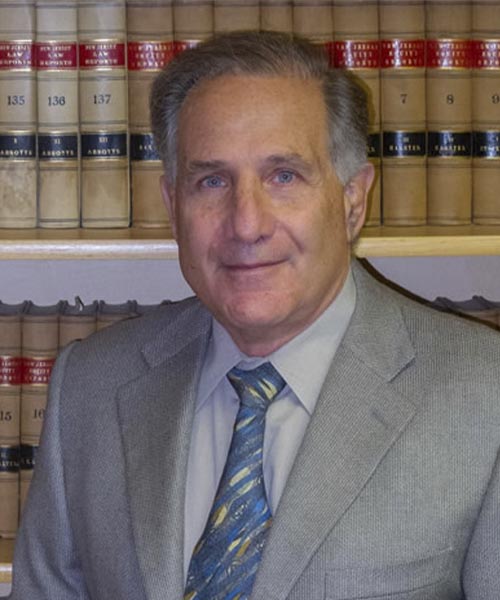
Neil H. Deutsch has been practicing law for over 35 years and is known as a skilled negotiator in employment and discrimination law. He believes in a bottom-line approach of risk analysis and cost effectiveness for his clients. "Case evaluation is something we take seriously," says Mr. Deutsch who seeks top net dollar for his…
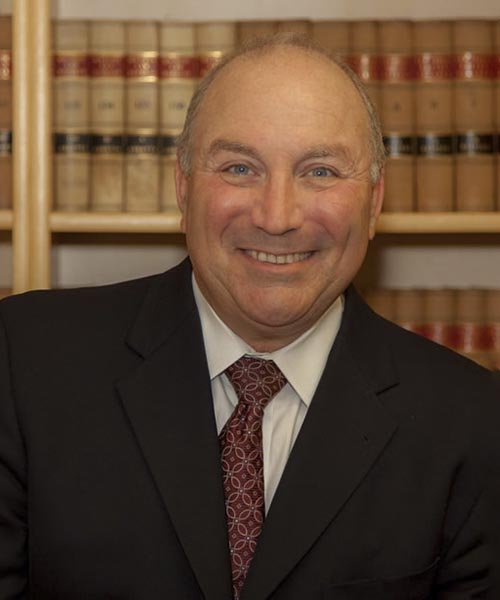
Bruce L. Atkins is the Senior Managing Partner at Deutsch Atkins & Kleinfeldt P.C., a prominent plaintiff employment law firm in the tri-state area. Mr. Atkins believes employees’ rights should be aggressively pursued when they’ve been wrongfully dealt with by their employers. He brings this philosophy to his practice when considering each case and its…
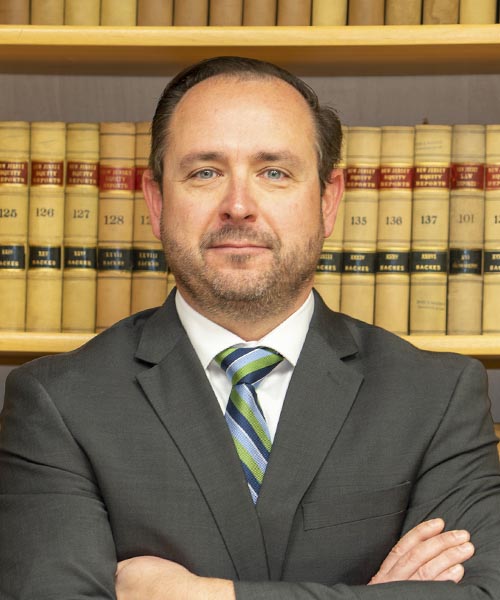
Adam J. Kleinfeldt joined Deutsch Atkins & Kleinfeldt, P.C. in March of 2015. He primarily represents individuals in employment litigation such as discrimination, retaliation and whistle blowing matters. He has extensive experience in all phases of the litigation process. Adam has obtained significant results for his clients, including a $525,000 jury verdict in a sexual…

Debra M. McGarvey joined Deutsch Atkins & Kleinfeldt, P.C. in December 2019. She has extensive experience defending employees and employers in state and federal court in employment litigation matters. She has represented clients on various issues arising out of the New Jersey Law Against Discrimination (NJLAD), the New Jersey Conscientious Employee Protection Act (CEPA), the…
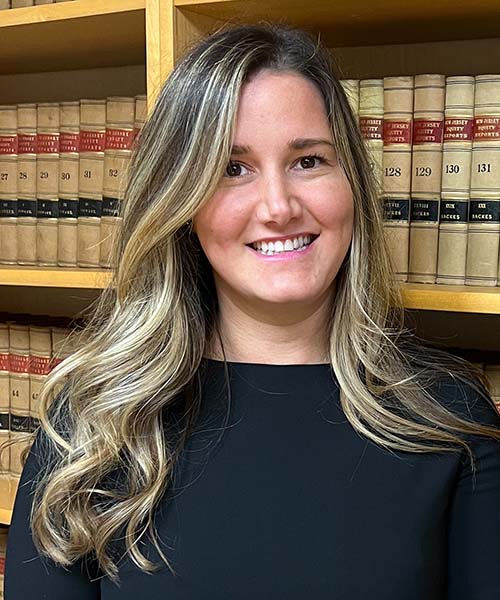
Carly Skarbnik Meredith, Esq. is a Partner at the firm. Carly has focused her career exclusively in the field of employment law. She has a plethora of experience representing both employees and employers with their employment issues, needs, and concerns. She believes representing both employees and employers has made her an extremely well-rounded client advocate.…