

New Jersey outlaws harassment based on employees’ gender or sexual orientation. This type of disparate treatment is sometimes indirect — not aimed at a particular employee but rather making the workplace intolerable based on a pattern of behavior related to certain personal characteristics. This is known as hostile workplace harassment, and it is actionable if the employer does not take active steps to police the conduct in question.
Hostile workplace harassment means there is observable behavior that would make a reasonable employee feel the work environment had fundamentally and negatively changed toward people with similar personal characteristics. To meet this standard, you need to recognize activities and communications that may qualify. Examples are:
- Inappropriate comments or jokes — If you hear remarks that are sexually explicit, or derogatory comments about someone’s gender or sexual orientation, these can contribute to a hostile environment. This includes offhand comments, “jokes,” or overtly sexual remarks that are unwelcome and persist despite objections.
- Unwanted physical contact — Any form of unwanted touching or physical interference related to an individual’s gender or sexual orientation can be seen as harassment. This might range from inappropriate brushing against you to more overt acts like groping.
- Visual displays — The presence of sexually suggestive or explicitly discriminatory signs, posters, or images that degrade any gender or sexual orientation can create a hostile work atmosphere.
- Exclusionary tactics — Being deliberately excluded from professional opportunities, meetings, or social interactions based on gender or sexual orientation can also be a form of hostile behavior.
- Online harassment — Harassment can also occur on various online platforms used within the workplace. Receiving derogatory emails or messages, or seeing harmful content posted about someone based on their gender or sexual orientation, contributes to a hostile environment.
Under the New Jersey Law Against Discrimination (NJLAD), you are protected from harassment in the workplace based on gender, sexual orientation and other protected characteristics. To establish a hostile workplace claim, the behavior should meet these criteria:
- Severity or pervasiveness — The conduct must be either severe or pervasive enough to make a reasonable person of the same protected class believe that the conditions of employment have been altered and the working environment is hostile or abusive.
- Employer awareness and inaction — It must be demonstrated that your employer knew or should have known about the harassment and failed to take appropriate corrective action.
- Tangible employment action — If the harassment results in an adverse action such as firing, demotion, or undesirable reassignment, this can strengthen your claim, although such an action is not necessary for a claim to be valid.
Activities can support a harassment claim when they meet the legal criteria of severity or pervasiveness and there is a clear link between the behavior and your protected status (i.e. gender or sexual orientation). Also, it is essential that you or witnesses report the behavior to management or human resources and that your employer fails to address the situation effectively.
Deutsch Atkins & Kleinfeldt, P.C. in Hackensack is devoted to fighting for New Jersey employees’ rights to be free of workplace harassment. Call us at 551-245-8894 or contact us online to schedule a consultation with one of our attorneys.
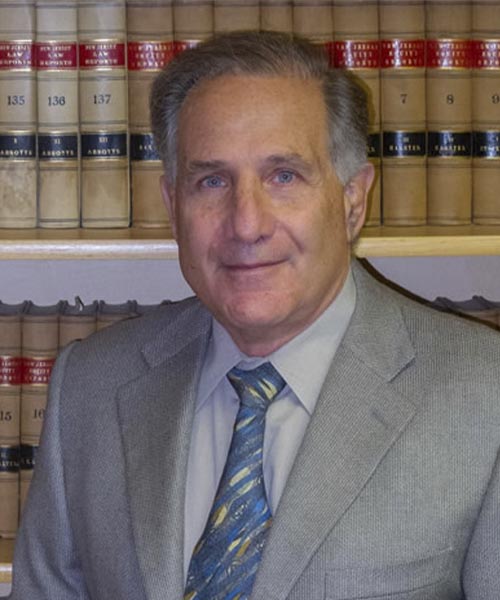
Neil H. Deutsch has been practicing law for over 35 years and is known as a skilled negotiator in employment and discrimination law. He believes in a bottom-line approach of risk analysis and cost effectiveness for his clients. "Case evaluation is something we take seriously," says Mr. Deutsch who seeks top net dollar for his…

Bruce L. Atkins is the Senior Managing Partner at Deutsch Atkins & Kleinfeldt P.C., a prominent plaintiff employment law firm in the tri-state area. Mr. Atkins believes employees’ rights should be aggressively pursued when they’ve been wrongfully dealt with by their employers. He brings this philosophy to his practice when considering each case and its…

Adam J. Kleinfeldt joined Deutsch Atkins & Kleinfeldt, P.C. in March of 2015. He primarily represents individuals in employment litigation such as discrimination, retaliation and whistle blowing matters. He has extensive experience in all phases of the litigation process. Adam has obtained significant results for his clients, including a $525,000 jury verdict in a sexual…

Debra M. McGarvey joined Deutsch Atkins & Kleinfeldt, P.C. in December 2019. She has extensive experience defending employees and employers in state and federal court in employment litigation matters. She has represented clients on various issues arising out of the New Jersey Law Against Discrimination (NJLAD), the New Jersey Conscientious Employee Protection Act (CEPA), the…

Carly Skarbnik Meredith, Esq. is a Partner at the firm. Carly has focused her career exclusively in the field of employment law. She has a plethora of experience representing both employees and employers with their employment issues, needs, and concerns. She believes representing both employees and employers has made her an extremely well-rounded client advocate.…