


The Fair Labor Standards Act (FLSA) imposes rules for overtime pay across the country. The law requires employers to compensate eligible employees at a rate of at least one and a half times their regular pay for hours worked beyond 40 in a workweek. The FLSA makes exemptions for certain employees. Employers bear the burden of proof when seeking to classify an employee as exempt. However, until recently, there was disagreement among federal courts about what standard of proof applies.
The U.S. Supreme Court, in its January 2025 ruling in E.M.D. Sales, Inc. v. Carrera, held that the appropriate evidentiary standard for establishing an employee’s exemption under the FLSA is the “preponderance of the evidence” standard, meaning that the evidence presented by the employer must show that it is more likely than not that the employee is exempt. In other words, if it is more probable than not that the criteria for exemption have been met, then the employer’s classification stands. The court rejected the more rigorous “clear and convincing evidence” standard, which demands that the evidence be highly and substantially more likely to be true than untrue.
Exempt employees include those in executive, administrative, professional, outside sales and certain computer-related occupations. In the E.M.D. case, the plaintiffs were sales representatives who managed inventory and took orders at grocery stores that stocked the company’s food products. The company claimed they fell under the FLSA’s exemption for outside salesmen. But the lower court, applying the clear and convincing evidence standard, found that they primarily executed the terms of sales already made rather than making new sales themselves. The circuit court of appeals affirmed.
In reversing, the Supreme Court pointed out that when a civil statute is silent as to the standard of proof required, courts typically apply the preponderance standard. The court found no constitutional or other basis for imposing a heightened standard, noting that Title VII employment-discrimination provisions and other workplace protections that vindicate important public interests are subject to the preponderance standard.
Due to the complexities of the FLSA and the nuances concerning exemptions, it is vital for employees facing disputes over overtime eligibility to seek representation from a skilled wage and hour attorney. Capable legal counsel can effectively gather and analyze the evidence, ensuring that employees’ rights are protected and that they receive the compensation to which they are entitled.
For employees in New Jersey who believe they have been wrongfully denied overtime pay, the experienced team at Deutsch Atkins & Kleinfeldt, P.C. in Hackensack, NJ, is available to provide guidance and representation. Call us at 551-245-8894 or contact us online to arrange a confidential consultation.
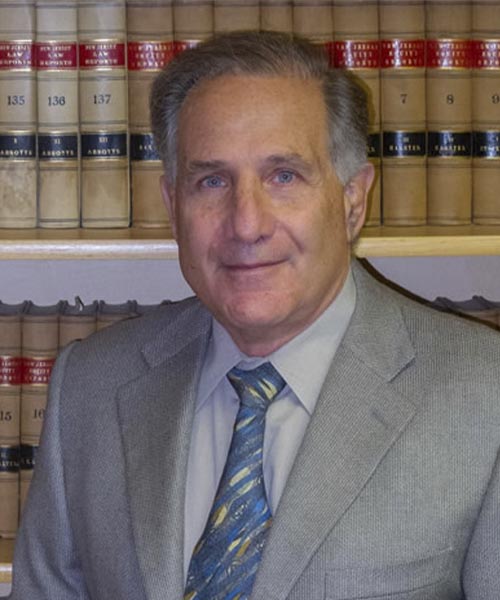
Neil H. Deutsch has been practicing law for over 35 years and is known as a skilled negotiator in employment and discrimination law. He believes in a bottom-line approach of risk analysis and cost effectiveness for his clients. "Case evaluation is something we take seriously," says Mr. Deutsch who seeks top net dollar for his…
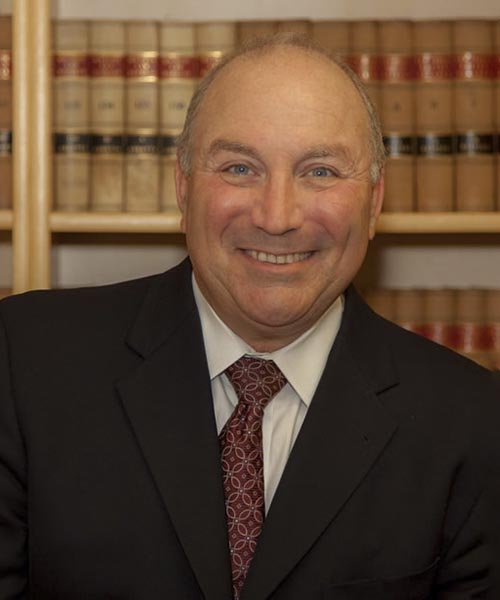
Bruce L. Atkins is the Senior Managing Partner at Deutsch Atkins & Kleinfeldt P.C., a prominent plaintiff employment law firm in the tri-state area. Mr. Atkins believes employees’ rights should be aggressively pursued when they’ve been wrongfully dealt with by their employers. He brings this philosophy to his practice when considering each case and its…
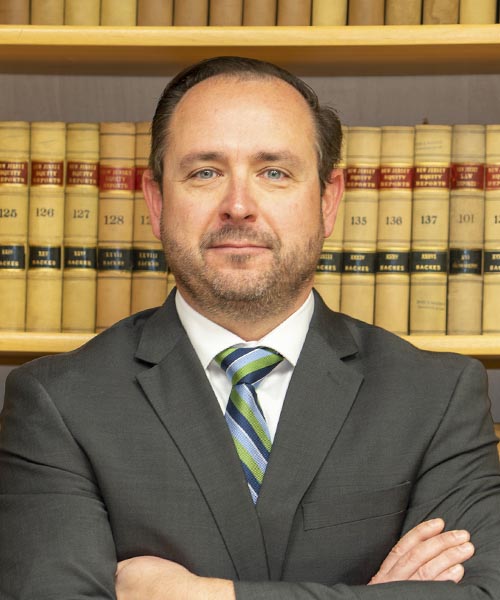
Adam J. Kleinfeldt joined Deutsch Atkins & Kleinfeldt, P.C. in March of 2015. He primarily represents individuals in employment litigation such as discrimination, retaliation and whistle blowing matters. He has extensive experience in all phases of the litigation process. Adam has obtained significant results for his clients, including a $525,000 jury verdict in a sexual…
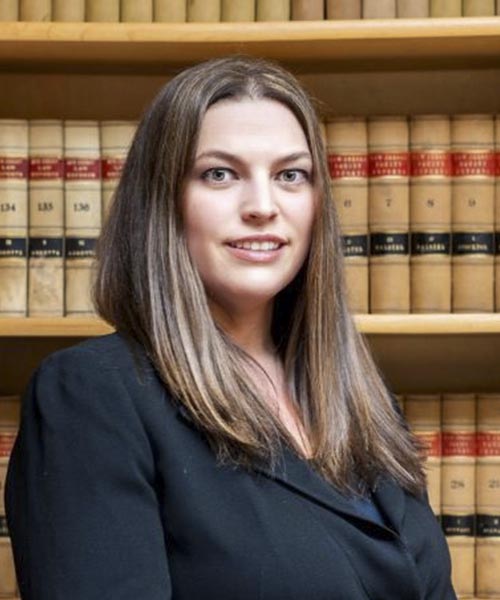
Debra M. McGarvey joined Deutsch Atkins & Kleinfeldt, P.C. in December 2019. She has extensive experience defending employees and employers in state and federal court in employment litigation matters. She has represented clients on various issues arising out of the New Jersey Law Against Discrimination (NJLAD), the New Jersey Conscientious Employee Protection Act (CEPA), the…
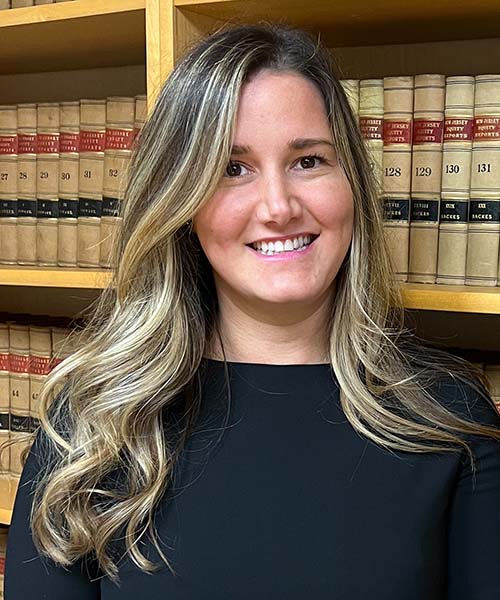
Carly Skarbnik Meredith, Esq. is a Partner at the firm. Carly has focused her career exclusively in the field of employment law. She has a plethora of experience representing both employees and employers with their employment issues, needs, and concerns. She believes representing both employees and employers has made her an extremely well-rounded client advocate.…