

New Jersey’s new “Domestic Workers’ Bill of Rights” is landmark legislation that grants comprehensive protections to workers in child care, house cleaning and caregiving roles. This law, which took effect in July 2024, covers workers whether they are employed directly by households or via agencies. It applies to all domestic workers regardless of their immigration status.
New Jersey domestic workers are now entitled to the same legal protections as other workers, including wage and hour laws, paid sick leave and overtime pay. Significantly, the law extends these rights to undocumented workers, a group that has been vulnerable to exploitation due to their ever-present fear of deportation.
Here are the salient provisions of the Domestic Workers’ Bill of Rights:
- Anti-discrimination protections — Domestic workers are entitled to the same protections against discrimination that other New Jersey employees enjoy under the state’s Law Against Discrimination (LAD), such as bias based on race, gender, sexual orientation, age, disability or national origin. This is significant because domestic workers, many of whom are immigrants and women of color, historically have faced exploitation and discrimination without recourse.
- Privacy rights — The new law explicitly prohibits employers from retaliating against workers by threatening to report their immigration status to authorities. Moreover, employers cannot subject workers to invasive monitoring measures, such as video or audio recording, unless there is consent from the worker.
- Written contract requirements — Employers must provide domestic workers with a written contract outlining the terms of employment, including such details as job duties, wages, hours, overtime pay, time off and termination procedures. These contracts help establish transparency and prevent exploitation by ensuring both parties understand their obligations.
- Application across employment structures — The law applies to all workers who provide in-home services, whether hired directly by households or through agencies. This broad applicability helps ensure that workers employed in various capacities receive protections, whether they are caring for children, cleaning houses or assisting elderly or disabled individuals.
The Domestic Workers’ Bill of Rights is in part a recognition of the importance of domestic workers in today’s economy, in which two-earner households needing help with child care are the norm. It is a significant effort to correct longstanding inequalities in the treatment of domestics under state employment law. Other states like New York and California have enacted similar protections.
If you have faced unlawful treatment on the job, the employment law attorneys of Deutsch Atkins & Kleinfeldt, P.C. in Hackensack can help. We serve clients throughout New Jersey. To schedule a consultation, call 551-245-8894 or contact us online.
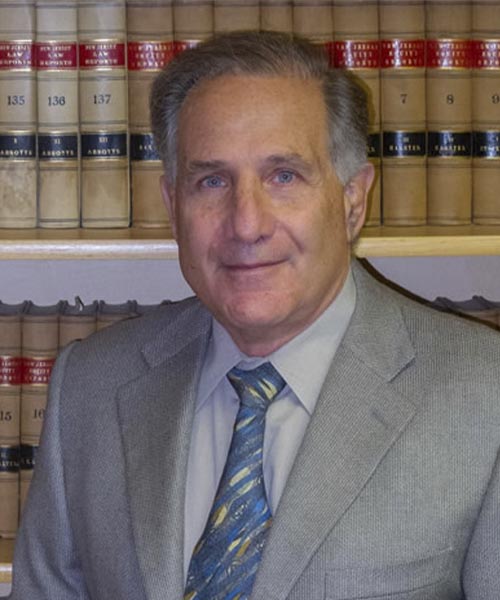
Neil H. Deutsch has been practicing law for over 35 years and is known as a skilled negotiator in employment and discrimination law. He believes in a bottom-line approach of risk analysis and cost effectiveness for his clients. "Case evaluation is something we take seriously," says Mr. Deutsch who seeks top net dollar for his…
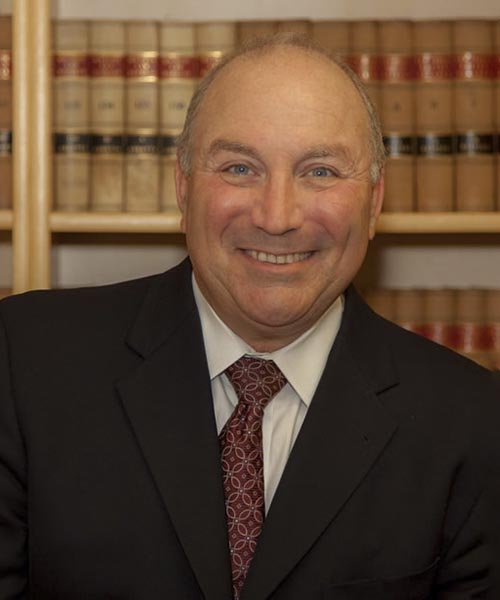
Bruce L. Atkins is the Senior Managing Partner at Deutsch Atkins & Kleinfeldt P.C., a prominent plaintiff employment law firm in the tri-state area. Mr. Atkins believes employees’ rights should be aggressively pursued when they’ve been wrongfully dealt with by their employers. He brings this philosophy to his practice when considering each case and its…
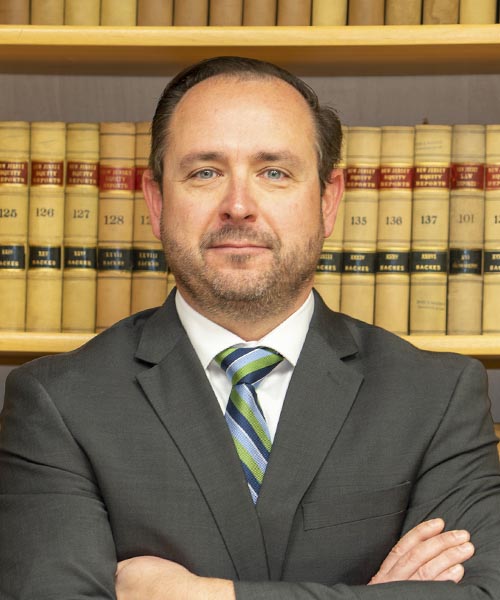
Adam J. Kleinfeldt joined Deutsch Atkins & Kleinfeldt, P.C. in March of 2015. He primarily represents individuals in employment litigation such as discrimination, retaliation and whistle blowing matters. He has extensive experience in all phases of the litigation process. Adam has obtained significant results for his clients, including a $525,000 jury verdict in a sexual…
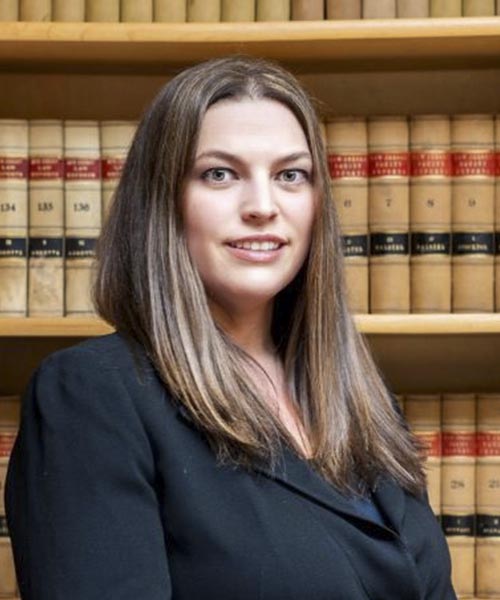
Debra M. McGarvey joined Deutsch Atkins & Kleinfeldt, P.C. in December 2019. She has extensive experience defending employees and employers in state and federal court in employment litigation matters. She has represented clients on various issues arising out of the New Jersey Law Against Discrimination (NJLAD), the New Jersey Conscientious Employee Protection Act (CEPA), the…
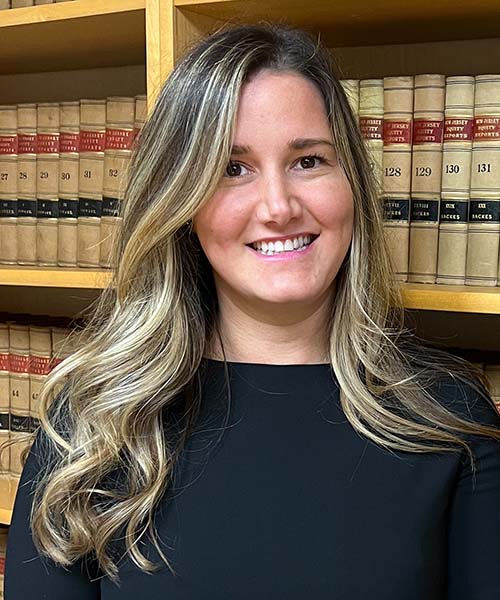
Carly Skarbnik Meredith, Esq. is a Partner at the firm. Carly has focused her career exclusively in the field of employment law. She has a plethora of experience representing both employees and employers with their employment issues, needs, and concerns. She believes representing both employees and employers has made her an extremely well-rounded client advocate.…