


In New Jersey, the statute of limitations for filing a sexual harassment claim is two years from the date of the last discriminatory act. However, an employee may be able to pursue legal action for discriminatory conduct that extends over a period of time, even if some of the conduct occurred outside the two-year period. A doctrine known as the “continuing violations theory” treats ongoing discriminatory actions as part of a continuous pattern that triggers the statute of limitations only when the last discriminatory act occurs.
This doctrine alters the accrual date for claims brought under the New Jersey Law Against Discrimination (LAD). It is particularly important in sexual harassment cases, which often are based on a pattern of behavior rather than a single, isolated incident. It can also increase the amount of damages recoverable, since a claim can incorporate a wider range of illegal conduct. For example, an employee who is subject to repeated, unwanted advances by a supervisor over several months may bring suit if some of these incidents occurred outside the limitations period but others occurred within it.
In the context of quid pro quo sexual harassment, where employment benefits are conditioned upon submitting to sexual advances, a continuing violation may arise if the harasser persists over time with sexual comments, inappropriate touching or requests for sexual favors. The last action taken would start the limitations period running anew.
The continuing violations theory also applies in a hostile work environment case, where the workplace is permeated with conduct that a reasonable person in the claimant’s situation would find offensive. Hostile work environment claims usually involve numerous incidents that occur over an extended period, such as a pattern of sexually themed jokes, comments or gestures.
If you believe you are being subjected to sexual harassment of any kind in your place of employment, there are several steps you should take:
- Document the harassment — Keep detailed records of all incidents, including dates, times, and the nature of the conduct.
- Report the harassment — Follow your company’s procedures for reporting harassment. Notify HR or your supervisor, unless they are involved.
- Gather evidence — Collect any emails, text messages, or other communications that support your claim.
- Seek support — Consider talking to a trusted colleague or friend to help navigate the situation emotionally and practically.
You should contact an experienced NJ sexual harassment attorney as soon as possible to ensure your rights are protected. An attorney can assess whether the continuing violations theory applies to your case, explain your options and ensure that your claim is filed timely and stated correctly.
The attorneys of Deutsch Atkins & Kleinfeldt, P.C. in Hackensack represent employees of New Jersey companies in sexual harassment cases and other employment matters. To schedule a free initial consultation, call 551-245-8894 or contact us online.
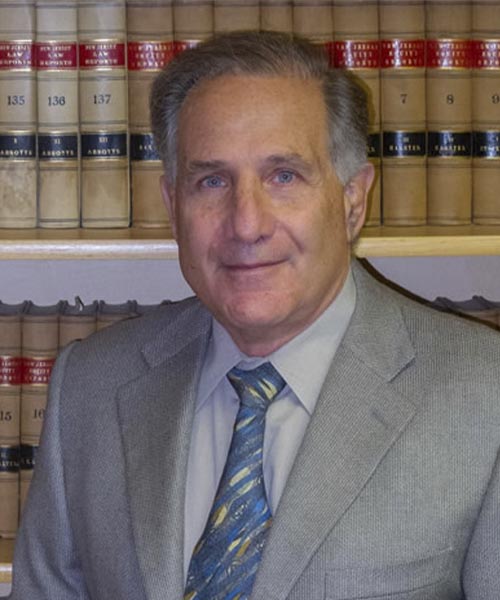
Neil H. Deutsch has been practicing law for over 35 years and is known as a skilled negotiator in employment and discrimination law. He believes in a bottom-line approach of risk analysis and cost effectiveness for his clients. "Case evaluation is something we take seriously," says Mr. Deutsch who seeks top net dollar for his…
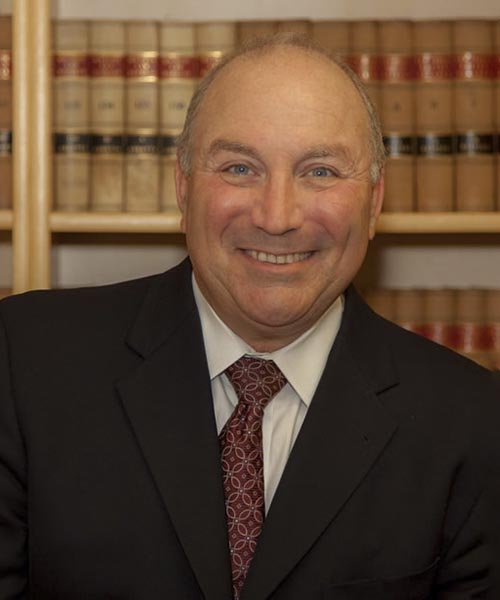
Bruce L. Atkins is the Senior Managing Partner at Deutsch Atkins & Kleinfeldt P.C., a prominent plaintiff employment law firm in the tri-state area. Mr. Atkins believes employees’ rights should be aggressively pursued when they’ve been wrongfully dealt with by their employers. He brings this philosophy to his practice when considering each case and its…
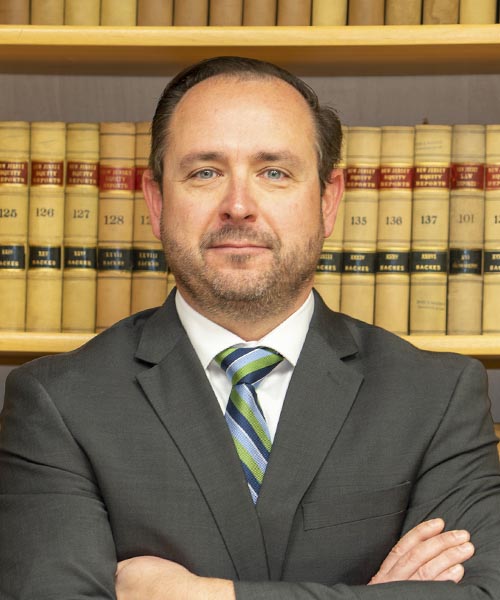
Adam J. Kleinfeldt joined Deutsch Atkins & Kleinfeldt, P.C. in March of 2015. He primarily represents individuals in employment litigation such as discrimination, retaliation and whistle blowing matters. He has extensive experience in all phases of the litigation process. Adam has obtained significant results for his clients, including a $525,000 jury verdict in a sexual…

Debra M. McGarvey joined Deutsch Atkins & Kleinfeldt, P.C. in December 2019. She has extensive experience defending employees and employers in state and federal court in employment litigation matters. She has represented clients on various issues arising out of the New Jersey Law Against Discrimination (NJLAD), the New Jersey Conscientious Employee Protection Act (CEPA), the…
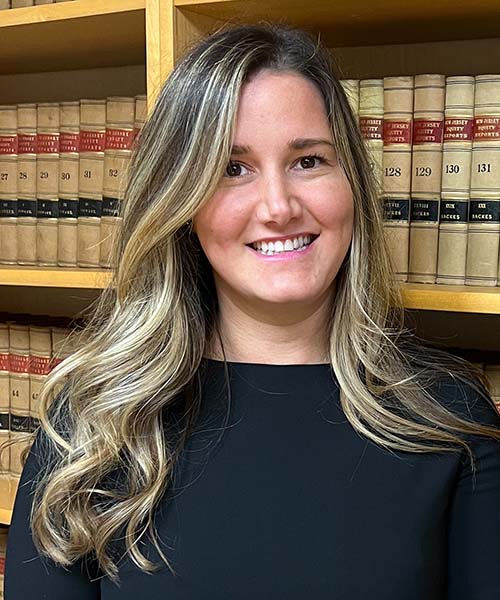
Carly Skarbnik Meredith, Esq. is a Partner at the firm. Carly has focused her career exclusively in the field of employment law. She has a plethora of experience representing both employees and employers with their employment issues, needs, and concerns. She believes representing both employees and employers has made her an extremely well-rounded client advocate.…