

The New Jersey Law Against Discrimination (NJLAD) stands as one of the strongest civil rights statutes in the country, protecting workers from bias based on diverse characteristics. One type of prohibited action is disparate impact discrimination, which occurs when a facially neutral policy disproportionately harms members of a protected group, such as people of a certain race, gender or disability status. What sets disparate impact apart from other types of discrimination is that it does not require proof of discriminatory intent. The focus is on the actual effects of a policy.
In December 2025, the New Jersey Attorney General and the Division on Civil Rights (DCR) took a major step forward by adopting new regulations codifying the prohibition against disparate impact discrimination. These groundbreaking rules clarify and solidify employees’ rights to challenge workplace practices that result in unfair outcomes, even when those policies appear “neutral” on their face.
Many workplace policies and practices seem impartial at first glance, but they often impose greater burdens on certain groups. Under the new NJLAD regulations, employees can challenge any policy that results in statistically significant disparities, especially when that policy lacks a true business necessity or when less discriminatory alternatives are available.
Common examples of potentially problematic practices include the following:
- Background checks that disproportionately exclude applicants from specific racial groups
- Requiring educational degrees that were unavailable when older employees were in school
- Rigid attendance or punctuality standards that penalize individuals with disabilities or caregiving responsibilities
- Height, weight or physical requirements
- English-only policies not related to job duties
- Grooming standards affecting ethnic groups
- Promotion criteria based heavily on subjective evaluations
The DCR also explicitly flags AI-driven hiring tools, noting the risk that algorithms can replicate biased patterns at scale.
The new regulations provide clearer standards and a framework for employees to challenge disparate impact discrimination. The DCR’s enhanced authority strengthens enforcement efforts and widens their reach to cover all protected classes under NJLAD. In practice, employers can no longer hide behind neutral policies. They must demonstrate a legitimate business need.
If you believe a workplace policy or environment affects you or others unfairly, document your experiences. Save relevant emails, job postings, policy documents and performance metrics. To assess whether a pattern of behavior amounts to discrimination and to understand your legal options, speak with a skilled New Jersey employment discrimination attorney.
The law firm of Deutsch Atkins & Kleinfeldt, P.C. in Hackensack is experienced in protecting New Jersey workers’ rights from illegal discrimination and retaliation. Call us at 551-245-8894 or contact us online to schedule an attorney consultation.
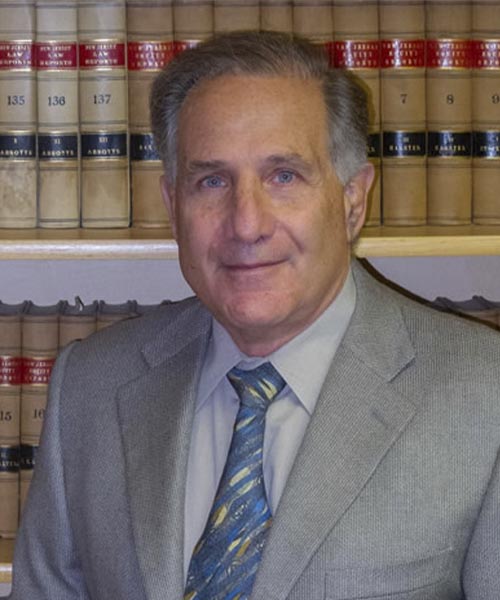
Neil H. Deutsch has been practicing law for over 35 years and is known as a skilled negotiator in employment and discrimination law. He believes in a bottom-line approach of risk analysis and cost effectiveness for his clients. "Case evaluation is something we take seriously," says Mr. Deutsch who seeks top net dollar for his…
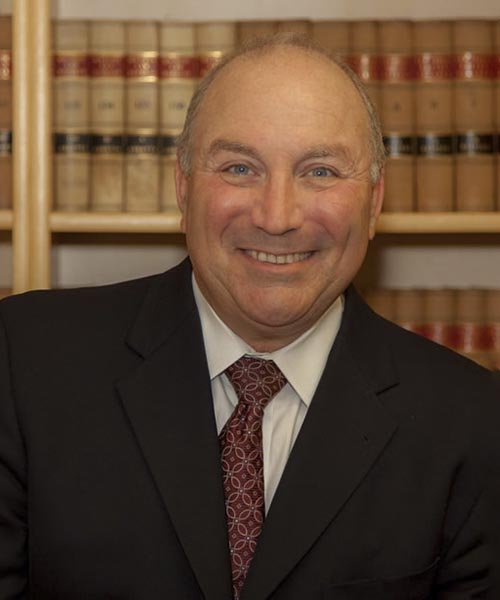
Bruce L. Atkins is the Senior Managing Partner at Deutsch Atkins & Kleinfeldt P.C., a prominent plaintiff employment law firm in the tri-state area. Mr. Atkins believes employees’ rights should be aggressively pursued when they’ve been wrongfully dealt with by their employers. He brings this philosophy to his practice when considering each case and its…

Adam J. Kleinfeldt joined Deutsch Atkins & Kleinfeldt, P.C. in March of 2015. He primarily represents individuals in employment litigation such as discrimination, retaliation and whistle blowing matters. He has extensive experience in all phases of the litigation process. Adam has obtained significant results for his clients, including a $525,000 jury verdict in a sexual…

Debra M. McGarvey joined Deutsch Atkins & Kleinfeldt, P.C. in December 2019. She has extensive experience defending employees and employers in state and federal court in employment litigation matters. She has represented clients on various issues arising out of the New Jersey Law Against Discrimination (NJLAD), the New Jersey Conscientious Employee Protection Act (CEPA), the…
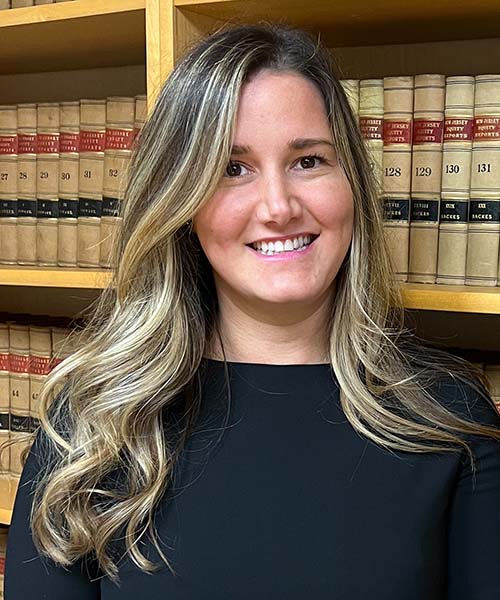
Carly Skarbnik Meredith, Esq. is a Partner at the firm. Carly has focused her career exclusively in the field of employment law. She has a plethora of experience representing both employees and employers with their employment issues, needs, and concerns. She believes representing both employees and employers has made her an extremely well-rounded client advocate.…