


A recent U.S. Supreme Court decision significantly impacts employees contemplating bringing workplace discrimination cases under federal law. This landmark ruling clarifies that plaintiffs who are members of a “majority group” do not need to meet a heightened evidentiary burden when alleging discrimination under Title VII of the Civil Rights Act of 1964.
In Ames v. Ohio Department of Youth Services, decided June 5, the court held that there is no requirement that a majority-group plaintiff show “background circumstances to support the suspicion that the defendant is that unusual employer who discriminates against the majority.”
Marlean Ames, a heterosexual woman employed by the Ohio Department of Youth Services, claimed she faced discrimination when her new supervisor, a gay woman, passed her over for promotion and later demoted her, putting a gay man in her position. Ames sued under Title VII, alleging sex and sexual orientation discrimination. Both the district court and the circuit court of appeals dismissed her claims for failing to meet the “background circumstances” requirement.
In reversing, the Supreme Court found that Title VII imposes no burden on majority group members to prove additional, unique circumstances to support discrimination claims. On the contrary, the statute applies a uniform standard for all claimants. “By establishing the same protections for every ‘individual’ — without regard to that individual’s membership in a minority or majority-group — Congress left no room for courts to impose special requirements on majority-group plaintiffs alone,” the court said.
The import of the Supreme Court’s ruling is that employees, regardless of their demographic status, can proceed with Title VII discrimination claims without the burden of proving extra, unique circumstances. Employees in a majority group can now feel more confident when bringing cases, knowing that the law does not impose a disparate standard. This uniformity in the application of the law is likely to lead to an increase in employees taking action to hold employers accountable for discriminatory practices.
Employers, in turn, must be vigilant in their adherence to equitable employment practices. In Title VII cases, they may no longer assert a defense that the plaintiff failed to show the employer is inclined to discriminate against majority-group employees.
While the Supreme Court’s decision eases some aspects of proving discrimination, potential claimants should seek experienced legal counsel who can assist in interpreting how the ruling may specifically impact their case and strategize the best course of action. A skilled lawyer can present a case that is compelling and comprehensive and that maximizes the chances of a favorable outcome.
If you believe you have faced discrimination in the workplace based on sex or sexual orientation, the lawyers at Deutsch Atkins & Kleinfeldt, P.C. in Hackensack, New Jersey are ready to help. Call us at 551-245-8894 or contact us online to arrange an appointment to discuss your situation.
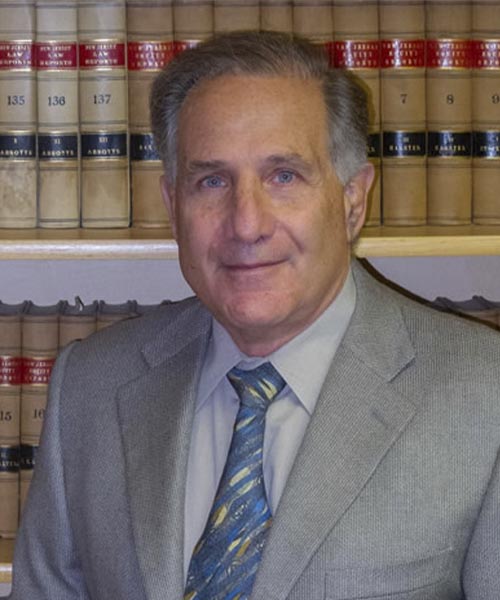
Neil H. Deutsch has been practicing law for over 35 years and is known as a skilled negotiator in employment and discrimination law. He believes in a bottom-line approach of risk analysis and cost effectiveness for his clients. "Case evaluation is something we take seriously," says Mr. Deutsch who seeks top net dollar for his…
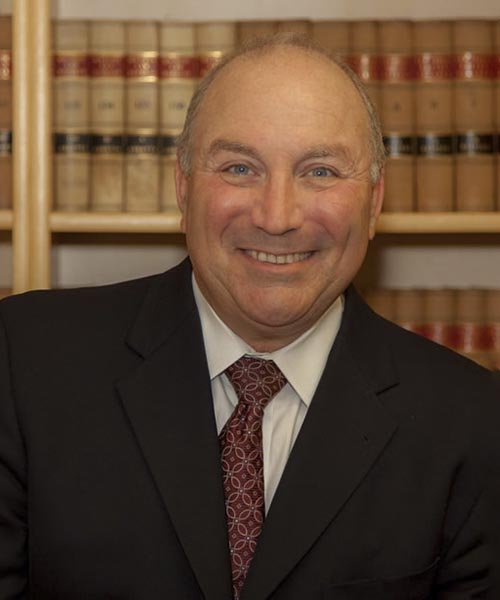
Bruce L. Atkins is the Senior Managing Partner at Deutsch Atkins & Kleinfeldt P.C., a prominent plaintiff employment law firm in the tri-state area. Mr. Atkins believes employees’ rights should be aggressively pursued when they’ve been wrongfully dealt with by their employers. He brings this philosophy to his practice when considering each case and its…
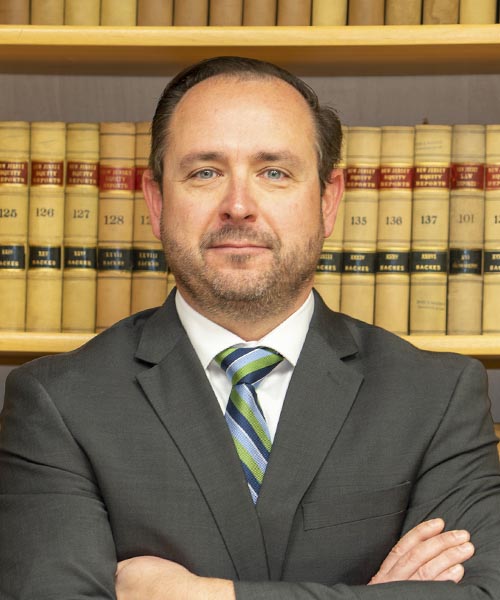
Adam J. Kleinfeldt joined Deutsch Atkins & Kleinfeldt, P.C. in March of 2015. He primarily represents individuals in employment litigation such as discrimination, retaliation and whistle blowing matters. He has extensive experience in all phases of the litigation process. Adam has obtained significant results for his clients, including a $525,000 jury verdict in a sexual…
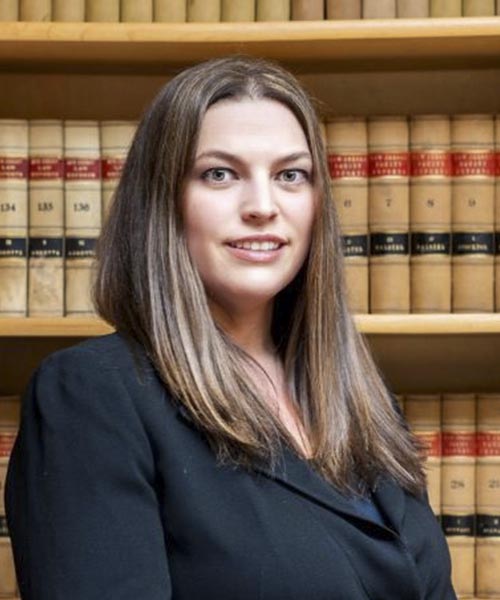
Debra M. McGarvey joined Deutsch Atkins & Kleinfeldt, P.C. in December 2019. She has extensive experience defending employees and employers in state and federal court in employment litigation matters. She has represented clients on various issues arising out of the New Jersey Law Against Discrimination (NJLAD), the New Jersey Conscientious Employee Protection Act (CEPA), the…
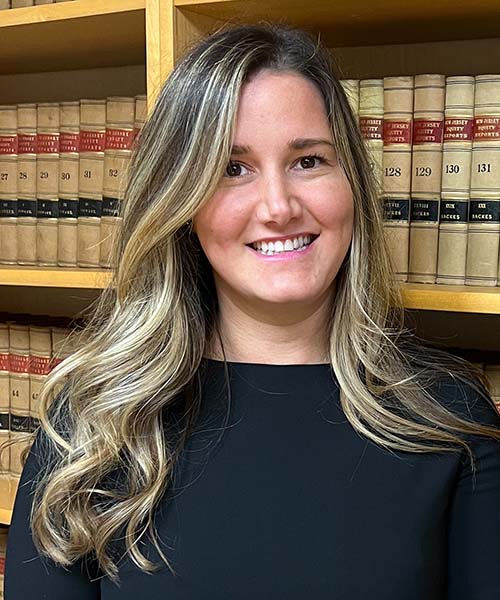
Carly Skarbnik Meredith, Esq. is a Partner at the firm. Carly has focused her career exclusively in the field of employment law. She has a plethora of experience representing both employees and employers with their employment issues, needs, and concerns. She believes representing both employees and employers has made her an extremely well-rounded client advocate.…