

The “four-fifths rule” is a statistical guideline used to help determine whether an employment practice may be discriminatory against a protected group. It provides that if the selection rate (for hiring, promotions, etc.) for any racial, ethnic, or gender group is less than 80 percent (four-fifths) of the rate for the group with the highest rate, there may be evidence of adverse impact discrimination. For example, if 50 out of 100 applicants from a majority group are hired but only 30 out of 100 applicants from a minority group are hired, the minority group’s selection rate (30 percent) is 60 percent of the majority group’s rate (50 percent), thereby falling short of the four-fifths threshold.
The four-fifths rule was devised by the Equal Employment Opportunity Commission (EEOC) in 1978 as part of guidelines for employers to develop and use employment tests and other selection procedures that would be fair and non-discriminatory. The rule is not a definitive test. It only serves as an initial indicator of potential disparate impact. Courts and agencies evaluating discrimination claims may look at additional factors such as sample size, the overall context of the hiring process and the specific business necessity for the practice in question.
In New Jersey, the four-fifths rule is not explicitly mandated, but its principles often inform the analysis in disparate-impact cases under the New Jersey Law Against Discrimination (NJ LAD). The rule offers a broader framework that may incorporate various statistical tests and qualitative factors to assess whether an employment practice unduly hurts a protected group.
In rebuttable to a four-fifths rule analysis, employers may argue that an employment practice seeming to have a disparate impact is justified by a bona fide occupational qualification (BFOQ) or is essential to the safe and efficient performance of the job. Additionally, if an employer can demonstrate that a particular selection method is job-related and consistent with business necessity — even if it falls short of the four-fifths threshold—it may be exempt from claims of discrimination. In such cases, the burden shifts to the employee to show that a less discriminatory alternative exists.
If an employee suspects an employment practice is discriminatory under the NJ LAD or federal law, consulting with an experienced employment discrimination attorney can provide guidance on how best to proceed. A skilled attorney can gather documentary evidence, including dates, communications and any relevant statistics or comparative data. They can make a compelling report to the company’s human resources department or internal compliance officer. If the issue remains unresolved, the next step is a complaint to the EEOC or the New Jersey Division on Civil Rights and a lawsuit if necessary.
The firm of Deutsch Atkins & Kleinfeldt, P.C. in Hackensack is well-versed in handling employment discrimination cases throughout New Jersey. Call us at 551-245-8894 or contact us online to arrange a confidential consultation.
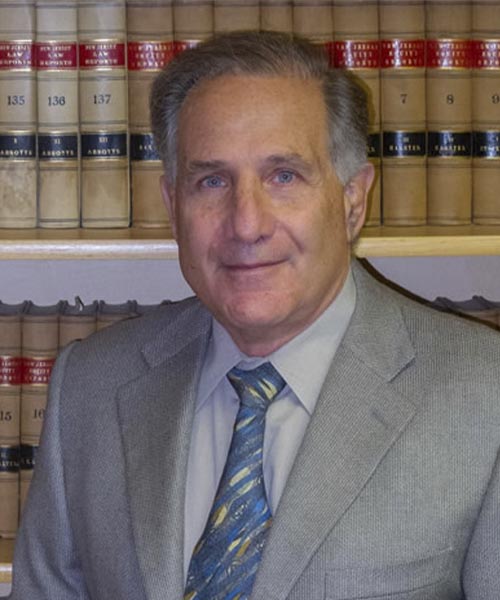
Neil H. Deutsch has been practicing law for over 35 years and is known as a skilled negotiator in employment and discrimination law. He believes in a bottom-line approach of risk analysis and cost effectiveness for his clients. "Case evaluation is something we take seriously," says Mr. Deutsch who seeks top net dollar for his…
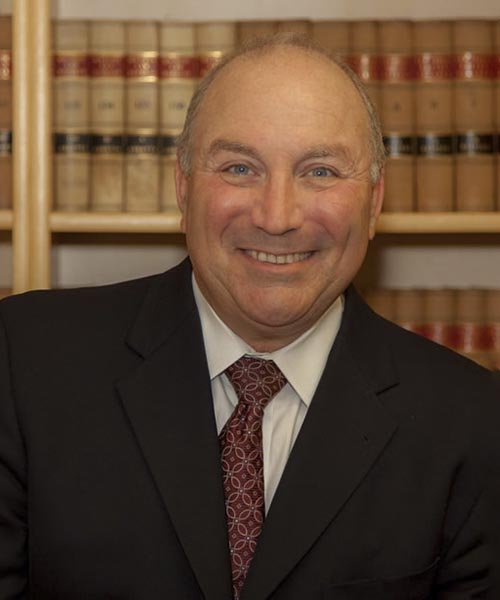
Bruce L. Atkins is the Senior Managing Partner at Deutsch Atkins & Kleinfeldt P.C., a prominent plaintiff employment law firm in the tri-state area. Mr. Atkins believes employees’ rights should be aggressively pursued when they’ve been wrongfully dealt with by their employers. He brings this philosophy to his practice when considering each case and its…

Adam J. Kleinfeldt joined Deutsch Atkins & Kleinfeldt, P.C. in March of 2015. He primarily represents individuals in employment litigation such as discrimination, retaliation and whistle blowing matters. He has extensive experience in all phases of the litigation process. Adam has obtained significant results for his clients, including a $525,000 jury verdict in a sexual…

Debra M. McGarvey joined Deutsch Atkins & Kleinfeldt, P.C. in December 2019. She has extensive experience defending employees and employers in state and federal court in employment litigation matters. She has represented clients on various issues arising out of the New Jersey Law Against Discrimination (NJLAD), the New Jersey Conscientious Employee Protection Act (CEPA), the…
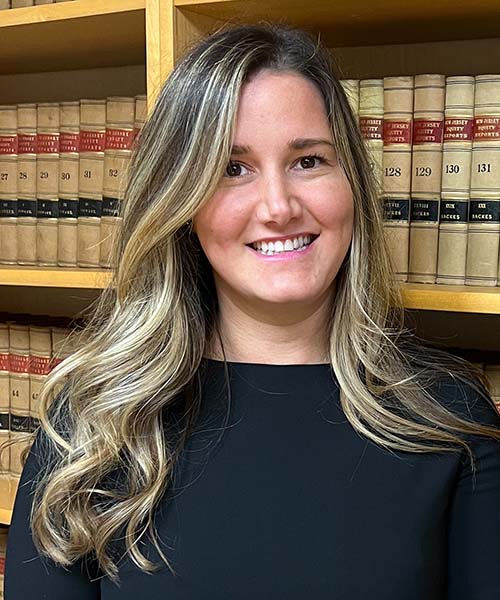
Carly Skarbnik Meredith, Esq. is a Partner at the firm. Carly has focused her career exclusively in the field of employment law. She has a plethora of experience representing both employees and employers with their employment issues, needs, and concerns. She believes representing both employees and employers has made her an extremely well-rounded client advocate.…