
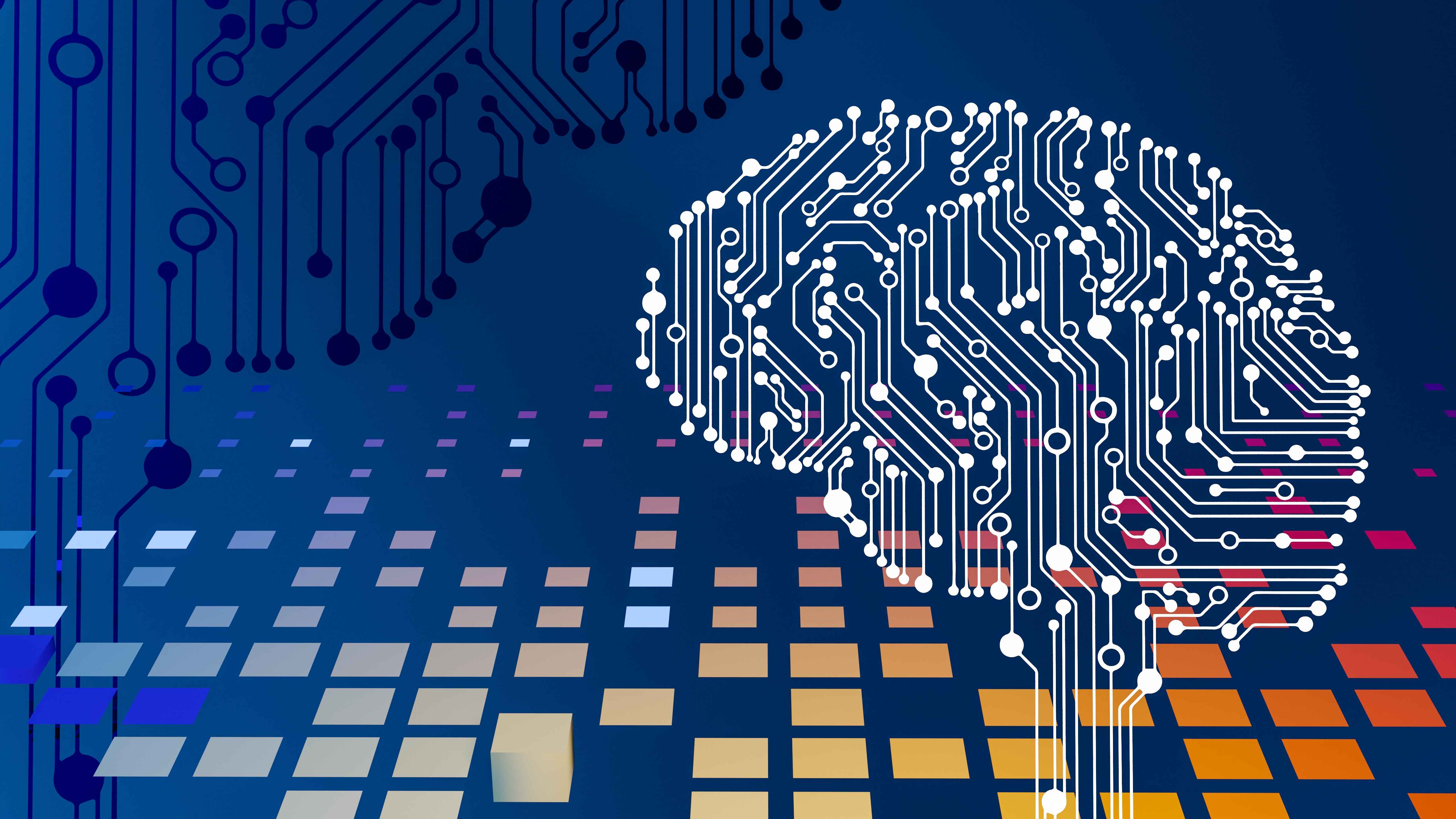
Artificial intelligence (AI) is rapidly expanding as a job-applicant vetting process across the country. AI-powered apps can analyze resumes, assess video interviews and even predict a candidate’s likelihood of success in a given role. Employers are using AI-driven systems to evaluate applicants’ speech patterns, facial expressions and word choices in videos. AI also can curate thousands of resumes in seconds, isolating those that best match a job description. While these tools offer efficiency and scalability, they have sparked anxiety about potential discrimination and bias in the hiring process.
One concern is that AI systems can inadvertently perpetuate or even amplify existing biases present in company hiring. If an AI app is trained on resumes predominantly from a particular demographic, it may favor candidates who resemble that group and disadvantage others. A recent study found that popular AI-based resume screening tools often favored white and male candidates, with resumes tied to white-associated names being preferred 85 percent of the time. Also, AI models analyzing facial expressions or voice tone may disadvantage candidates with disabilities, non-native English speakers or people whose characteristics do not conform to parameters embedded in the system’s programming.
Recognizing these risks, some lawmakers have started proposing regulations to curb potential AI hiring biases. One such effort is a pending bill in New Jersey, A-3911/S-3015, which seeks to regulate the use of AI in employment decisions. The bill would mandate that employers:
- Notify applicants before the interview that AI may be used to analyze their video interview or submission and assess their fitness for the position.
- Provide applicants with information explaining how the AI functions and the general types of characteristics it evaluates.
- Obtain written consent from the applicant to be evaluated by the AI program.
The bill, now under review in Assembly and Senate committees, would prohibit employers from using AI analysis on applicants who have not consented and restricts the sharing of applicants’ videos, except with essential service providers. It would require employers to delete an applicant’s video within 30 days upon request and to collect and report demographic data to monitor for potential biases.
Similar efforts are emerging in other states, as well as at the federal level, where policymakers are considering restrictions on automated decision-making in employment. The Equal Employment Opportunity Commission (EEOC) has signaled its intention to scrutinize AI hiring practices under existing anti-discrimination laws, such as Title VII of the Civil Rights Act and the Americans With Disabilities Act.
In the meantime, job applicants who suspect they have been discriminated against due to AI-driven hiring can take certain steps. First, they can request transparency from employers regarding how AI factored into their hiring decisions, although companies are not always legally required to disclose this information. If an applicant believes an AI tool led to an unfair or biased hiring decision, an employment discrimination attorney can analyze whether there is possible recourse under state and federal laws.
Deutsch Atkins & Kleinfeldt, P.C., based in Hackensack, NJ, offers legal services to individuals throughout the state in employment-related matters, protecting their rights against discriminatory practices in hiring and on the job. Call us at 551-245-8894 or contact us online to arrange a confidential consultation.
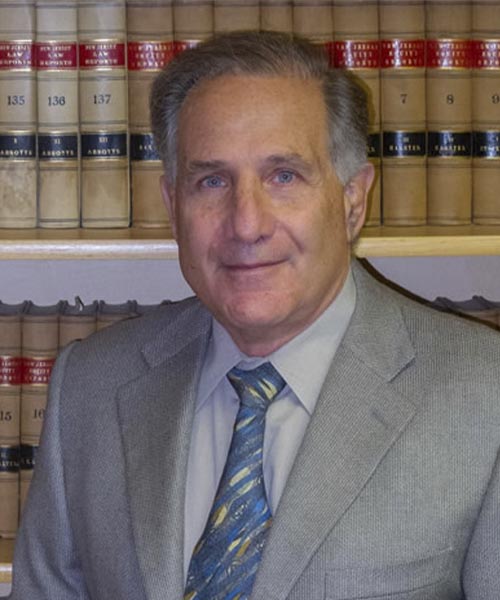
Neil H. Deutsch has been practicing law for over 35 years and is known as a skilled negotiator in employment and discrimination law. He believes in a bottom-line approach of risk analysis and cost effectiveness for his clients. "Case evaluation is something we take seriously," says Mr. Deutsch who seeks top net dollar for his…
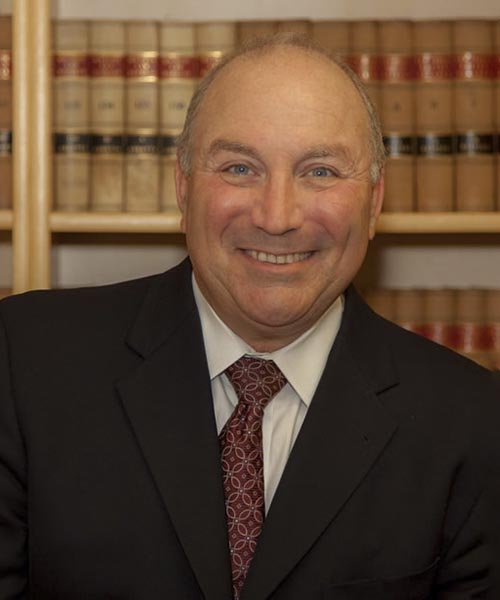
Bruce L. Atkins is the Senior Managing Partner at Deutsch Atkins & Kleinfeldt P.C., a prominent plaintiff employment law firm in the tri-state area. Mr. Atkins believes employees’ rights should be aggressively pursued when they’ve been wrongfully dealt with by their employers. He brings this philosophy to his practice when considering each case and its…
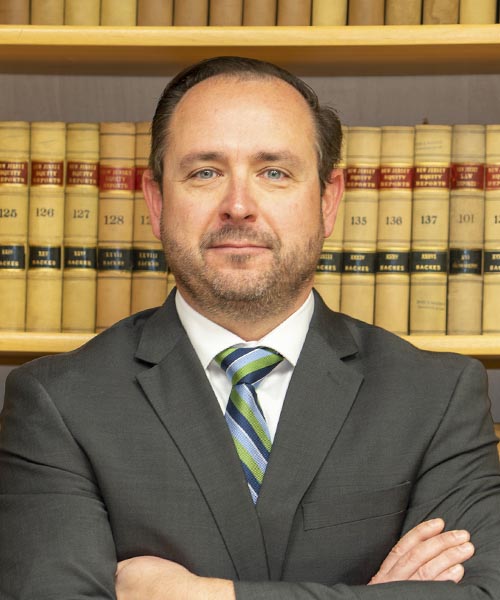
Adam J. Kleinfeldt joined Deutsch Atkins & Kleinfeldt, P.C. in March of 2015. He primarily represents individuals in employment litigation such as discrimination, retaliation and whistle blowing matters. He has extensive experience in all phases of the litigation process. Adam has obtained significant results for his clients, including a $525,000 jury verdict in a sexual…
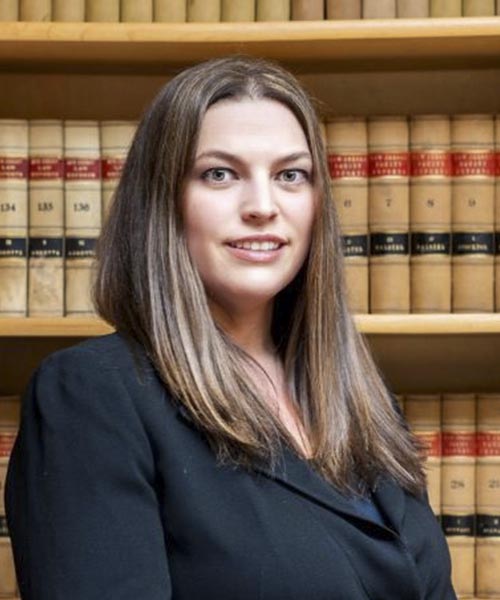
Debra M. McGarvey joined Deutsch Atkins & Kleinfeldt, P.C. in December 2019. She has extensive experience defending employees and employers in state and federal court in employment litigation matters. She has represented clients on various issues arising out of the New Jersey Law Against Discrimination (NJLAD), the New Jersey Conscientious Employee Protection Act (CEPA), the…
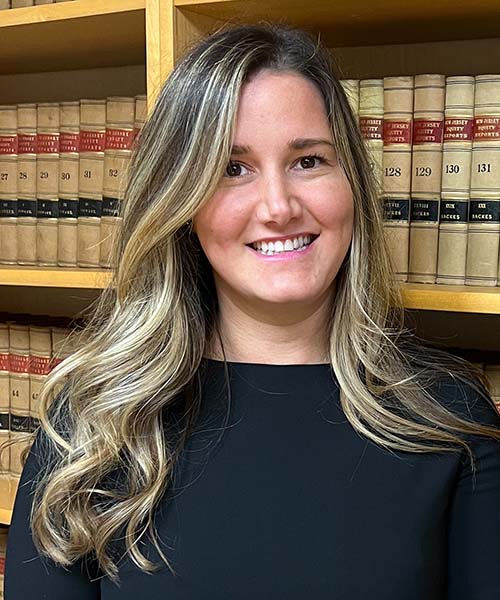
Carly Skarbnik Meredith, Esq. is a Partner at the firm. Carly has focused her career exclusively in the field of employment law. She has a plethora of experience representing both employees and employers with their employment issues, needs, and concerns. She believes representing both employees and employers has made her an extremely well-rounded client advocate.…