

New Jersey law prohibits employers from discriminating based on an employee’s religion. Employers must make reasonable accommodations for an employee’s religious observance or practice unless the employer can demonstrate that doing so would result in an undue hardship to the operation of their business. This provision is meant to balance the rights of employees to practice their religion with the practical needs of the employer’s business operations.
The New Jersey Law Against Discrimination (NJLAD) defines a reasonable accommodation as an adjustment made to an employee’s work environment or schedule to allow them to observe or practice their religion. This might include allowing an employee to take time off for religious occasions, permitting the employee to wear religious attire or modifying workplace practices that could be in conflict with religious beliefs.
An employer is not required to provide accommodation if doing so would impose an undue hardship on the business. Undue hardship is defined as any accommodation that would result in significant difficulty or expense, interfere with the business operations, or cause other substantial challenges. Several factors are taken into account when determining whether an undue hardship exists, including the following.
- Unreasonably expensive or difficult — An accommodation might call for a significant financial outlay that cuts into profits, such as where extensive alterations to the workplace are needed or significant absences from work occur.
- Interference with business operations — Allowing an employee to take off multiple religious holidays could affect staffing levels and result in operational inefficiencies. This can be the case in industries that rely on strict scheduling, such as health care or retail.
- Violation of seniority systems or collective bargaining agreements — Accommodating a religious practice might disrupt or conflict with existing agreements or policies, such as when preferential treatment is given to one employee over others.
- Inability to perform essential job functions — A religious accommodation might prevent the performance of critical duties, such as causing an employee to take off work during hours when their presence is critical.
An experienced religious discrimination lawyer can challenge an employer’s claim of undue hardship by demonstrating that the alleged hardship is pretextual — that is, it is a cover for religious discrimination. The lawyer might gather evidence such as:
- Alternative accommodations — This means showing there are other forms of accommodations that would not impose undue hardship, such as a flexible work schedule that doesn’t disrupt business operations.
- Inconsistencies in the employer’s claims — The attorney can point up contradictions in the employer’s reasons for denying the accommodation, such as their granting of accommodations for other employees or their failure to document alleged undue hardship.
- Discriminatory intent — An employee’s attorney can demonstrate that the employer has a history of treating religious accommodations unfairly or that the denial of accommodation is part of a broader pattern of discriminatory behavior towards a certain religion.
If you believe you’ve faced hostility or adverse employment actions because of your religious affiliation, the experienced employment lawyers at Deutsch Atkins & Kleinfeldt, P.C. are ready to listen. Based in Hackensack, we serve clients throughout North Jersey and the New York metropolitan area. Call us at 551-245-8894 or contact us online to arrange a consultation.
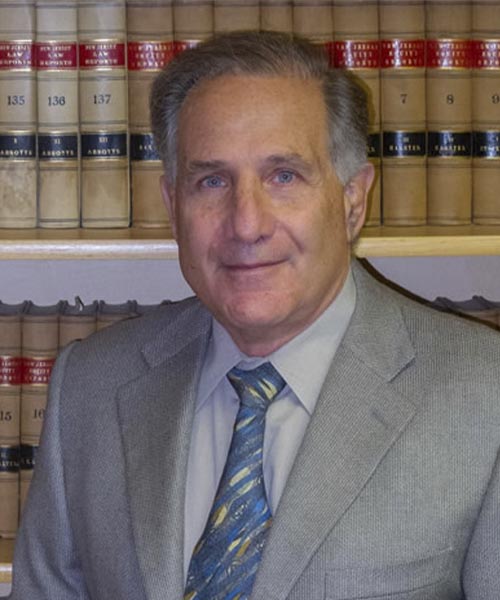
Neil H. Deutsch has been practicing law for over 35 years and is known as a skilled negotiator in employment and discrimination law. He believes in a bottom-line approach of risk analysis and cost effectiveness for his clients. "Case evaluation is something we take seriously," says Mr. Deutsch who seeks top net dollar for his…
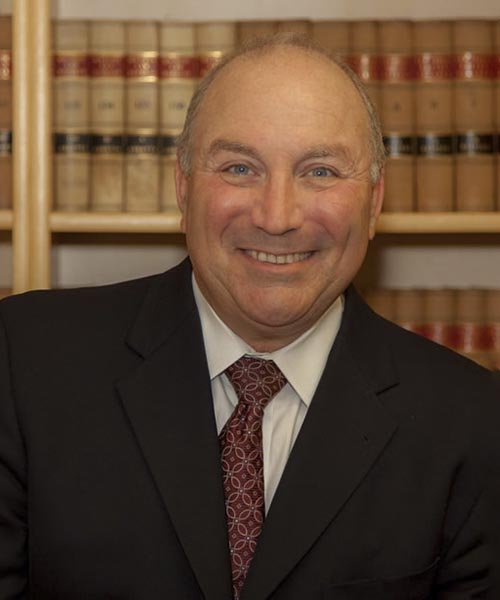
Bruce L. Atkins is the Senior Managing Partner at Deutsch Atkins & Kleinfeldt P.C., a prominent plaintiff employment law firm in the tri-state area. Mr. Atkins believes employees’ rights should be aggressively pursued when they’ve been wrongfully dealt with by their employers. He brings this philosophy to his practice when considering each case and its…
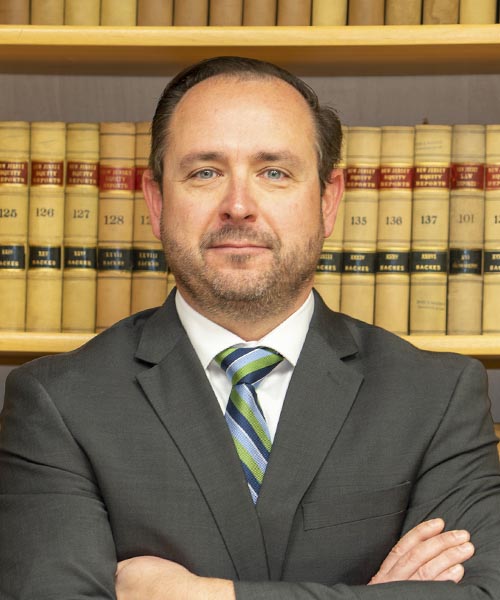
Adam J. Kleinfeldt joined Deutsch Atkins & Kleinfeldt, P.C. in March of 2015. He primarily represents individuals in employment litigation such as discrimination, retaliation and whistle blowing matters. He has extensive experience in all phases of the litigation process. Adam has obtained significant results for his clients, including a $525,000 jury verdict in a sexual…

Debra M. McGarvey joined Deutsch Atkins & Kleinfeldt, P.C. in December 2019. She has extensive experience defending employees and employers in state and federal court in employment litigation matters. She has represented clients on various issues arising out of the New Jersey Law Against Discrimination (NJLAD), the New Jersey Conscientious Employee Protection Act (CEPA), the…
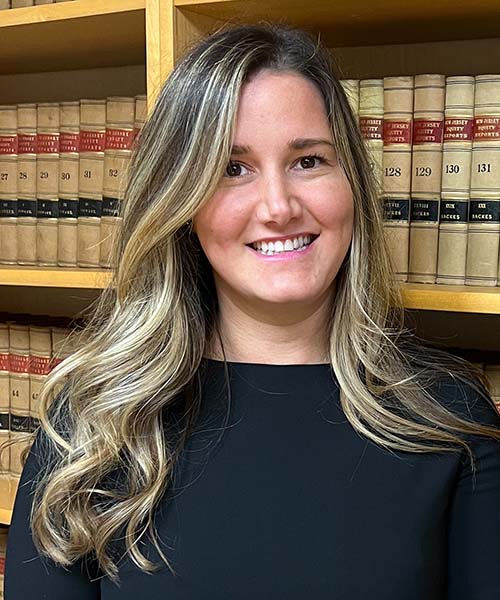
Carly Skarbnik Meredith, Esq. is a Partner at the firm. Carly has focused her career exclusively in the field of employment law. She has a plethora of experience representing both employees and employers with their employment issues, needs, and concerns. She believes representing both employees and employers has made her an extremely well-rounded client advocate.…