
New Jersey Remote and Hybrid Employment Arrangements
Our attorneys provide informed counsel and may pursue claims
Remote employment or work from arrangements became commonplace due to the 2020 pandemic. Many employees were capable of performing the essential functions of their jobs from home for prolonged periods. For many employees, remote work has continued or has become part of a hybrid schedule. While an employer may lawfully require employees to come to a workplace, there are some legal exceptions. Work from home or remote work arrangements may be a form of reasonable accommodation for disabilities or certain religious beliefs – reasonable accommodations that employers may be obligated to provide.
There is often uncertainty about whether an employer may legally demand that you report to a work location to perform work. A New Jersey remote and hybrid employment lawyer from Deutsch Atkins & Kleinfeldt, P.C. in Hackensack can clarify rights and responsibilities of employees and employers pertaining to these arrangements. Our New Jersey legal firm has decades of experience advising clients in all facets of employment law.
Wage, timekeeping and overtime requirements for remote workers in New Jersey
State and federal wage and hour laws regarding minimum wage and overtime apply to remote workers just as they do to those in the office. Employers are responsible for accurately tracking time worked by hourly employees to ensure they are paid for all hours worked, including time-and-one-half for overtime hours. Like hourly onsite employees, remote employees cannot be expected to work off the clock, including during meal and rest breaks.
Anti-discrimination and equal treatment for remote employees
Remote workers with protected characteristics under the law have the same legal safeguards from discrimination as on-site staff. Examples of unequal treatment might include the following:
- Exclusion from team phone calls, video chats or team-building events
- Receiving jokes or digital communications targeting an employee’s protected status
- Being passed over for job assignments or promotions
- Getting poor performance reviews
- Being called back into the office in conflict with remote work policy or when other workers are not
Additionally, discrimination of disabled workers is not allowed under the Americans with Disabilities Act and the New Jersey Law Against Discrimination. As in the office, employers must make reasonable remote work accommodations for individuals with physical or mental disabilities, particularly where the employee can perform the essential functions of the job on a remote basis. The fact that you are a remote employee does not eliminate applicability of anti-discrimination and anti-retaliation laws. If you are a protected remote employee and believe you are being discriminated against, our employment discrimination lawyers can explain what options you have for making a claim.
Returning to the office and hybrid work policies in New Jersey
Since the end of the COVID-19 pandemic, employers are very often requiring employees come back to the office or workplace. Remote work arrangements may, however, be a lawfully required reasonable accommodation to disabilities or religious beliefs. If employees are expected to return to the office or to change to a hybrid arrangement, they should be given reasonable notice of the upcoming plans. The circumstances in which hybrid arrangements can be ended should be stated in policies. It may be a form of discrimination for an employer to deny a remote work arrangement if the arrangement is a reasonable accommodation. Once we understand your concerns about your employer’s return-to-the-office or hybrid work mandate, we can advise you whether you have legal options.
Contact a New Jersey lawyer for your remote or hybrid work concerns
At the law firm of Deutsch Atkins & Kleinfeldt, P.C. in Hackensack, we provide counsel and representation to clients throughout New Jersey regarding remote and hybrid work issues. Call us at 551-245-8894 or contact us online to schedule an attorney consultation.
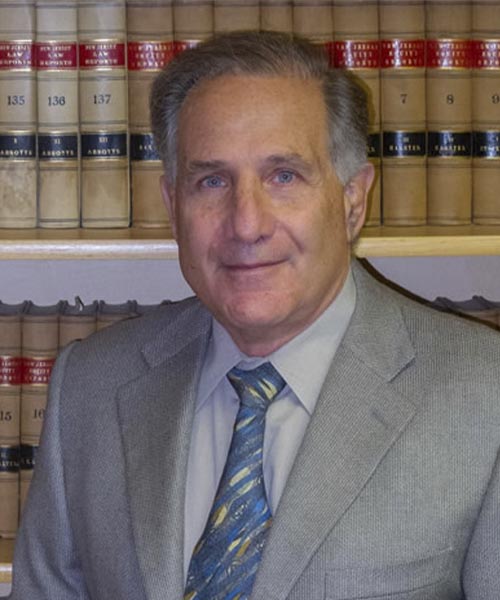
Neil H. Deutsch has been practicing law for over 35 years and is known as a skilled negotiator in employment and discrimination law. He believes in a bottom-line approach of risk analysis and cost effectiveness for his clients. "Case evaluation is something we take seriously," says Mr. Deutsch who seeks top net dollar for his…
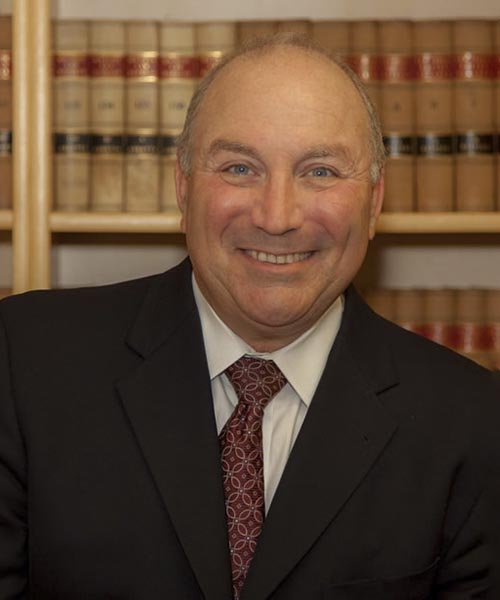
Bruce L. Atkins is the Senior Managing Partner at Deutsch Atkins & Kleinfeldt P.C., a prominent plaintiff employment law firm in the tri-state area. Mr. Atkins believes employees’ rights should be aggressively pursued when they’ve been wrongfully dealt with by their employers. He brings this philosophy to his practice when considering each case and its…
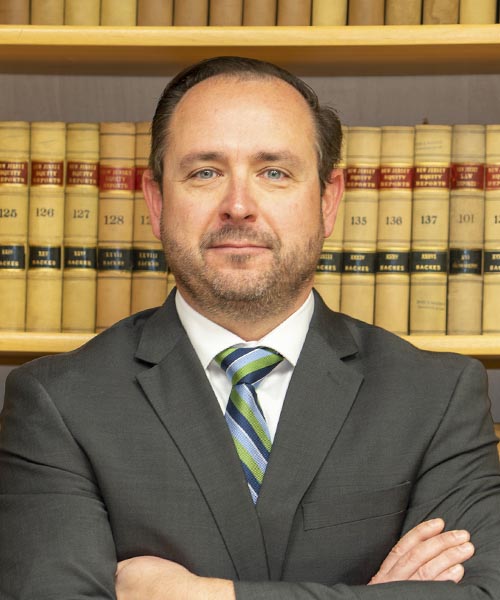
Adam J. Kleinfeldt joined Deutsch Atkins & Kleinfeldt, P.C. in March of 2015. He primarily represents individuals in employment litigation such as discrimination, retaliation and whistle blowing matters. He has extensive experience in all phases of the litigation process. Adam has obtained significant results for his clients, including a $525,000 jury verdict in a sexual…

Debra M. McGarvey joined Deutsch Atkins & Kleinfeldt, P.C. in December 2019. She has extensive experience defending employees and employers in state and federal court in employment litigation matters. She has represented clients on various issues arising out of the New Jersey Law Against Discrimination (NJLAD), the New Jersey Conscientious Employee Protection Act (CEPA), the…
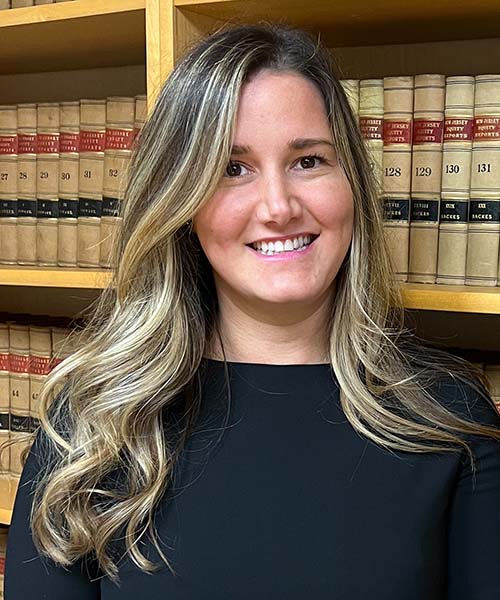
Carly Skarbnik Meredith, Esq. is a Partner at the firm. Carly has focused her career exclusively in the field of employment law. She has a plethora of experience representing both employees and employers with their employment issues, needs, and concerns. She believes representing both employees and employers has made her an extremely well-rounded client advocate.…