
Why the New Law Matters for Employees Who Need Time Off to Care for Family or Recover from a Serious Health Condition
On January 17, 2026, Governor Phil Murphy signed legislation significantly expanding the New Jersey Family Leave Act (NJFLA), along with the state’s Temporary Disability Insurance (TDI) and Family Leave Insurance (FLI) programs. The changes phase in over three years, beginning July 17, 2026, and they represent one of the most significant expansions of leave rights for New Jersey workers in years. For employees, the bottom line is simple: many more workers will soon have the right to take job-protected time off — and to return to their jobs afterward.
What Is the New Jersey Family Leave Act?
The NJFLA provides eligible employees with up to 12 weeks of unpaid, job-protected leave within a 24-month period. Leave can be taken to:
- bond with a new child after birth, adoption, or foster placement;
- care for a family member with a serious health condition; or
- address certain needs during a declared public health emergency, such as caring for a child whose school or place of care has closed.
Critically, the NJFLA provides job protection — the right to return to the same or an equivalent position which sets it apart from programs that only replace lost wages. One key limit remains: unlike the federal Family and Medical Leave Act, the NJFLA does not cover leave for an employee’s own serious health condition.
More Employers Are Now Covered
Historically, the NJFLA applied only to public employers and private employers with 30 or more employees, and, when it was first enacted, only to those with 50 or more employees. The new law lowers that threshold in steps:
- 15 or more employees, beginning July 17, 2026;
- 10 or more employees, beginning July 17, 2027; and
- 5 or more employees, beginning July 17, 2028.
This means many small and mid-sized employers that never had to comply before will soon be covered. The threshold counts employees nationwide, so even an out-of-state company with a single worker in New Jersey may be covered if it has at least 15 employees overall.
More Employees Qualify
The law also makes it far easier to become eligible. Under the old rules, an employee needed at least 12 months of employment and 1,000 hours worked during the prior year. Beginning July 17, 2026, an employee will qualify after just three months of employment and 250 hours worked in the preceding three months. Newer and part-time workers who were previously excluded from job-protected leave will now be covered.
Wage-Replacement Benefits May Now Come With Job Protection
One of the most significant — and still developing — changes concerns the TDI and FLI programs. These programs have historically provided partial wage replacement but did not, on their own, guarantee that a worker’s job would be held open. Under the amendments, an employee who receives TDI or FLI benefits generally must be restored to the same or an equivalent position when the leave ends.
Because FLI benefits can last up to 12 weeks and TDI benefits up to 26 weeks, this change could effectively extend job-protected leave well beyond the NJFLA’s 12 weeks. Exactly how broadly courts and regulators will read this new reinstatement right is still taking shape, so employees in this situation should watch the area closely and get advice about their specific circumstances.
Employees Gain More Control Over Paid Leave
The amendments also give employees greater say over how their paid leave is used. Workers who qualify for both New Jersey earned sick leave and TDI or FLI benefits may choose which benefit to use and in what order. Employers may no longer require employees to exhaust their earned sick leave while on an unpaid leave of absence. Employees may still not collect two paid benefits for the same period.
Why This Matters for Employees
These changes dramatically widen the circle of New Jersey workers who can take leave without risking their jobs — and they create new responsibilities for employers. When an employer gets it wrong, employees gain new protections. An employer that denies covered leave, refuses to reinstate a returning worker, or punishes someone for taking leave may face claims for retaliation or failure to reinstate. Many of these claims allow a successful employee to recover attorneys’ fees, which makes them realistic to pursue even when the total dollar value is modest.
Because the law phases in over three years and parts of it are still being interpreted, understanding exactly where you stand at any given moment can be confusing.
Protecting Your Rights
If you have been denied leave, discouraged from taking it, or penalized for using it, you may have rights under the NJFLA, the TDI and FLI programs, or other employment laws. Every situation is fact-specific, and deadlines can be short, so it is wise to seek legal guidance promptly. Documenting events as they happen and preserving relevant communications can help protect a potential claim.
If you are a New Jersey employee and believe your family- or medical-leave rights have been violated, an experienced family and medical leave lawyer can review your circumstances and explain your options.
The attorneys at Deutsch Atkins, P.C., in Hackensack, help New Jersey workers protect their leave rights and pursue just compensation. To schedule a confidential consultation, call us at 551-245-8894 or contact us online.
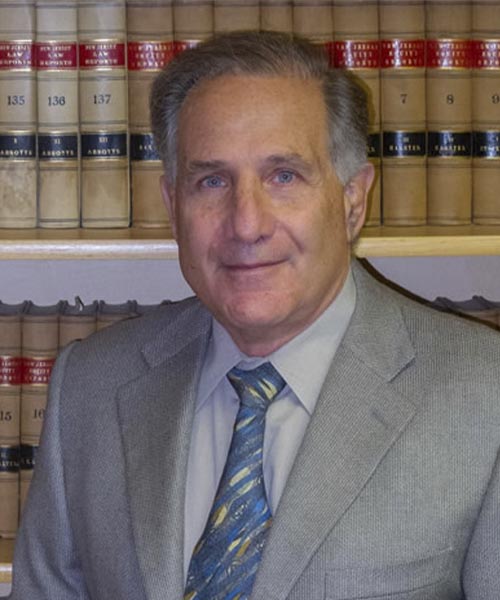
Neil H. Deutsch has been practicing law for over 35 years and is known as a skilled negotiator in employment and discrimination law. He believes in a bottom-line approach of risk analysis and cost effectiveness for his clients. "Case evaluation is something we take seriously," says Mr. Deutsch who seeks top net dollar for his…
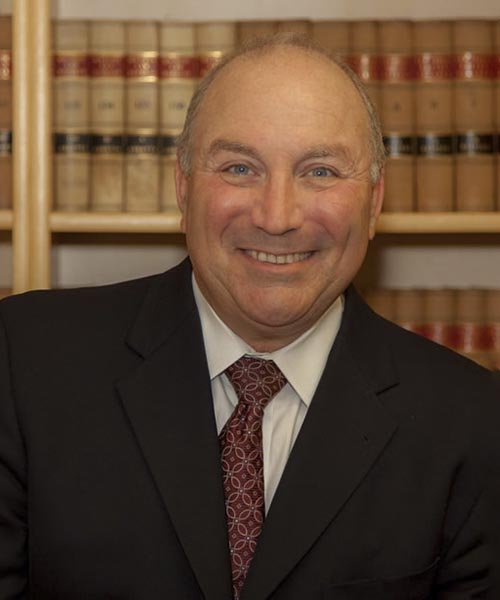
Bruce L. Atkins is the Senior Managing Partner at Deutsch Atkins P.C., a prominent plaintiff employment law firm in the tri-state area. Mr. Atkins believes employees’ rights should be aggressively pursued when they’ve been wrongfully dealt with by their employers. He brings this philosophy to his practice when considering each case and its potential outcomes.…

Michael K. Fortunato is a Partner at Deutsch Atkins, P.C. His practice focuses on employment litigation and counseling for employees and executives, including matters involving discrimination, retaliation, harassment, wrongful termination, whistleblower claims, severance negotiations, employment agreements, and restrictive covenants. Michael represents clients in litigation and administrative proceedings involving state and federal employment laws including the…
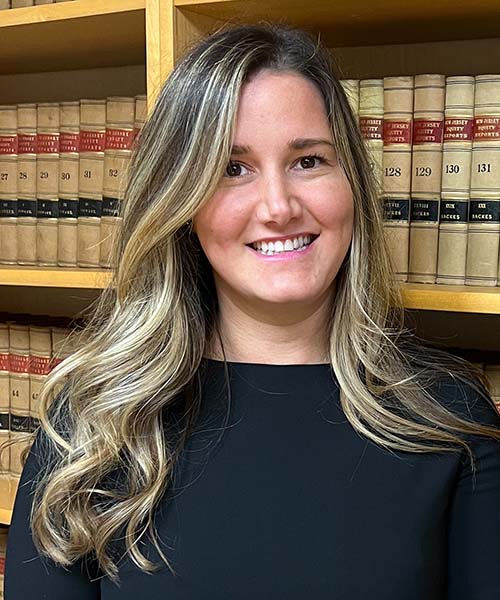
Carly Skarbnik Meredith, Esq. is a Partner at the firm. Carly has focused her career exclusively in the field of employment law. She has a plethora of experience representing both employees and employers with their employment issues, needs, and concerns. She believes representing both employees and employers has made her an extremely well-rounded client advocate.…
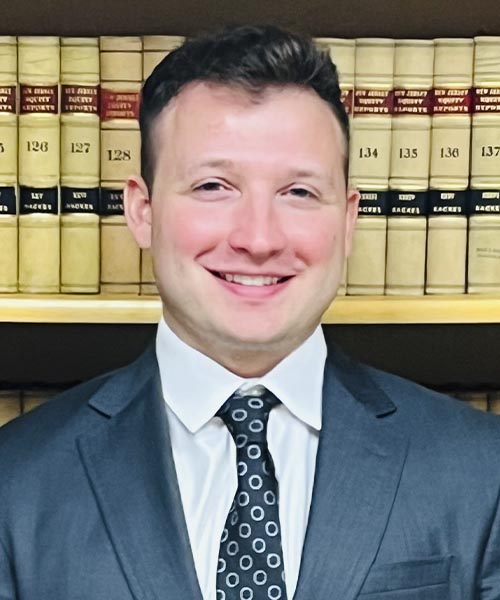
R.J. Prifitera joined Deutsch Atkins, P.C. in October of 2023. R.J. represents employees in wrongful termination, harassment, discrimination, and whistleblowing matters. Prior to joining the firm, R.J. received a B.A. from the University of Delaware in 2018. Thereafter, he attended and graduated Seton Hall University School of Law in 2022 where he received the Monsignor…