


An employee who resigns from a job due to intolerable working conditions may still have a valid claim for damages. While a resignation is usually considered a voluntary action, it may in some circumstances amount to a constructive discharge, which is the equivalent of a wrongful termination.
Employers may engage in various actions that could be seen as creating an unbearable environment that effectively forces an employee to resign. Examples are unjustifiably reducing the employee’s hours or pay, demoting the worker to a position with menial or degrading tasks or pressuring the employee to engage in illegal or unethical activities. In New Jersey, however, these actions alone do not constitute a constructive discharge unless they subject the employee to discrimination, harassment or retaliation in violation of the NJ Law Against Discrimination (NJLAD) or another state laws.
Before resigning and pursuing a claim for constructive discharge, an employee is generally required to inform management of the problematic conditions. The employer must be given a reasonable opportunity to address and resolve the issues. If the employer is made aware of the allegedly intolerable environment but fails to correct it, the employee who then quits may claim a constructive discharge.
A successful claim can entitle the employee to back pay for lost wages, unemployment benefits, compensation for emotional distress caused by the hostile environment and possible reinstatement to the previous position. However, proving a constructive discharge case can be challenging. It requires clear evidence that the employer knowingly created an intolerable work environment, whether the unbearable conditions directly led to the employee’s resignation and whether the employer’s actions were driven by unlawful or retaliatory motives.
An employee claiming constructive discharge may file a complaint with the state Division on Civil Rights within 180 days of the date of resignation. If the DCR, after investigating, issues a preliminary finding of probable cause that there was a violation of the NJLAD or other state law, a deputy attorney general can bring a lawsuit in the employee’s behalf. If no probable cause is found, the employee can appeal to an appellate court. Unless the DCR’s finding is overturned, the employee is barred from filing a lawsuit. Alternatively, the employee can file a lawsuit directly within two years of the alleged illegal conduct.
If you have quit your job or are thinking of quitting due to perceived discrimination, harassment or retaliation by your employer, the attorneys at Deutsch Atkins & Kleinfeldt, P.C. can evaluate your case and advise you of your rights. Our firm has offices in Bergen County, New Jersey and Rockland County, New York. Call us at 551-245-8894 or contact us online for a consultation.
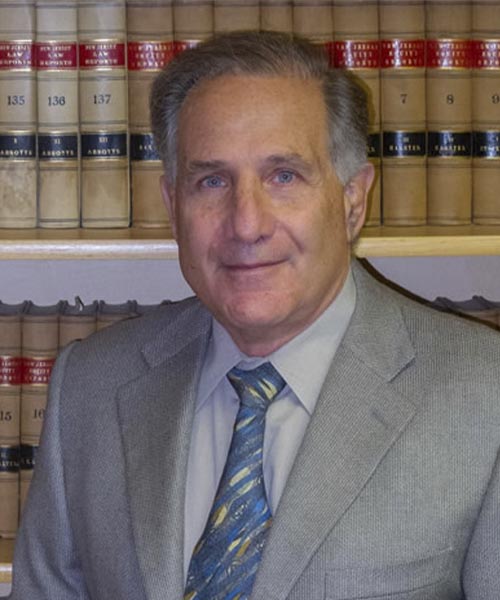
Neil H. Deutsch has been practicing law for over 35 years and is known as a skilled negotiator in employment and discrimination law. He believes in a bottom-line approach of risk analysis and cost effectiveness for his clients. "Case evaluation is something we take seriously," says Mr. Deutsch who seeks top net dollar for his…
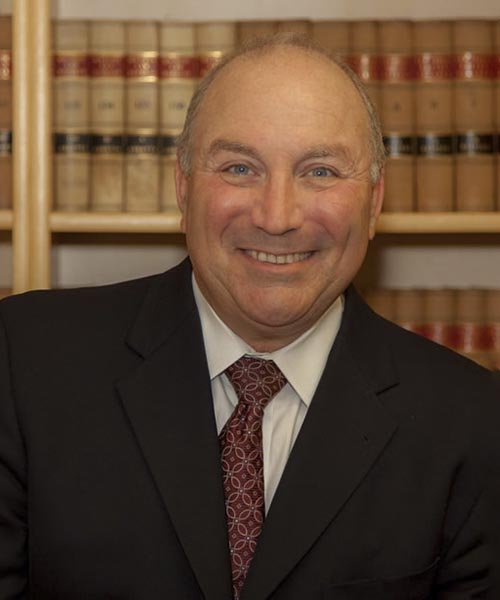
Bruce L. Atkins is the Senior Managing Partner at Deutsch Atkins & Kleinfeldt P.C., a prominent plaintiff employment law firm in the tri-state area. Mr. Atkins believes employees’ rights should be aggressively pursued when they’ve been wrongfully dealt with by their employers. He brings this philosophy to his practice when considering each case and its…
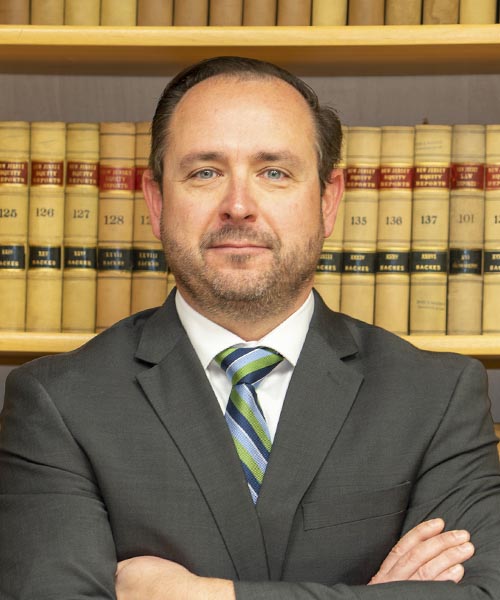
Adam J. Kleinfeldt joined Deutsch Atkins & Kleinfeldt, P.C. in March of 2015. He primarily represents individuals in employment litigation such as discrimination, retaliation and whistle blowing matters. He has extensive experience in all phases of the litigation process. Adam has obtained significant results for his clients, including a $525,000 jury verdict in a sexual…

Debra M. McGarvey joined Deutsch Atkins & Kleinfeldt, P.C. in December 2019. She has extensive experience defending employees and employers in state and federal court in employment litigation matters. She has represented clients on various issues arising out of the New Jersey Law Against Discrimination (NJLAD), the New Jersey Conscientious Employee Protection Act (CEPA), the…
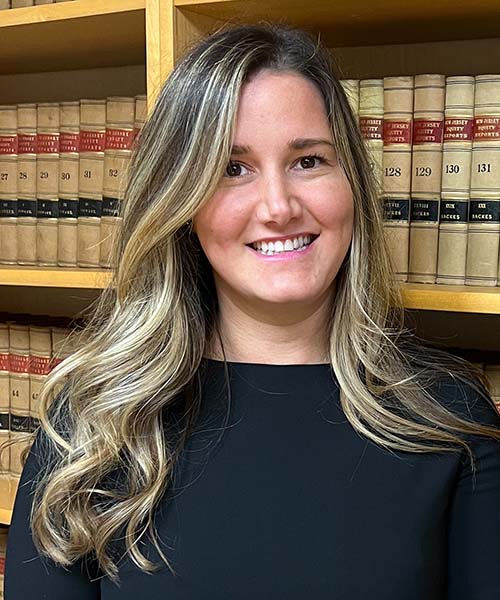
Carly Skarbnik Meredith, Esq. is a Partner at the firm. Carly has focused her career exclusively in the field of employment law. She has a plethora of experience representing both employees and employers with their employment issues, needs, and concerns. She believes representing both employees and employers has made her an extremely well-rounded client advocate.…